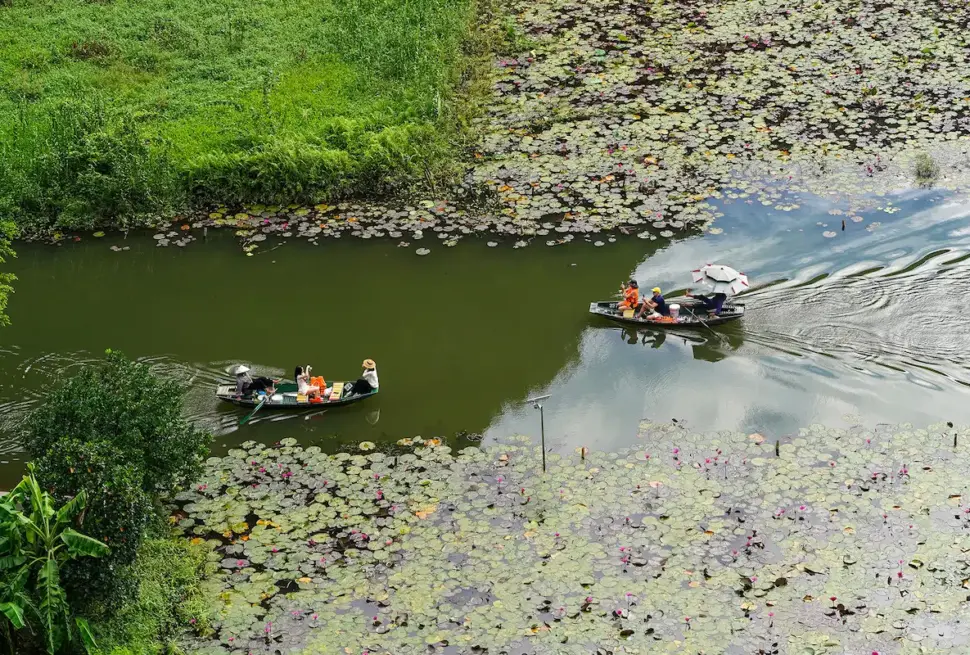
When travelers think about Kim Son in Ninh Binh, Phat Diem Cathedral is usually the first place that comes to mind. Its remarkable blend of Vietnamese and European architectural traditions makes it one of the region’s most distinctive landmarks. But beyond the cathedral’s stone towers and historic courtyards lies another side of Kim Son: a living landscape of traditional crafts, rural communities and coastal culture.
A visit to a Kim Son sedge craft village offers a completely different experience from sightseeing at famous temples or boat routes. Here, natural materials are transformed into practical and decorative objects through skills passed down over generations. Combined with the area’s churches, old villages and peaceful countryside, the craft tradition reveals a deeper cultural story behind the Kim Son and Ninh Binh region.
If you are looking for an experience beyond the main tourist attractions in Ninh Binh, exploring Kim Son’s sedge crafts can be a rewarding addition to a journey around Phat Diem and Tam Coc.
What Is the Kim Son Sedge Craft Tradition?
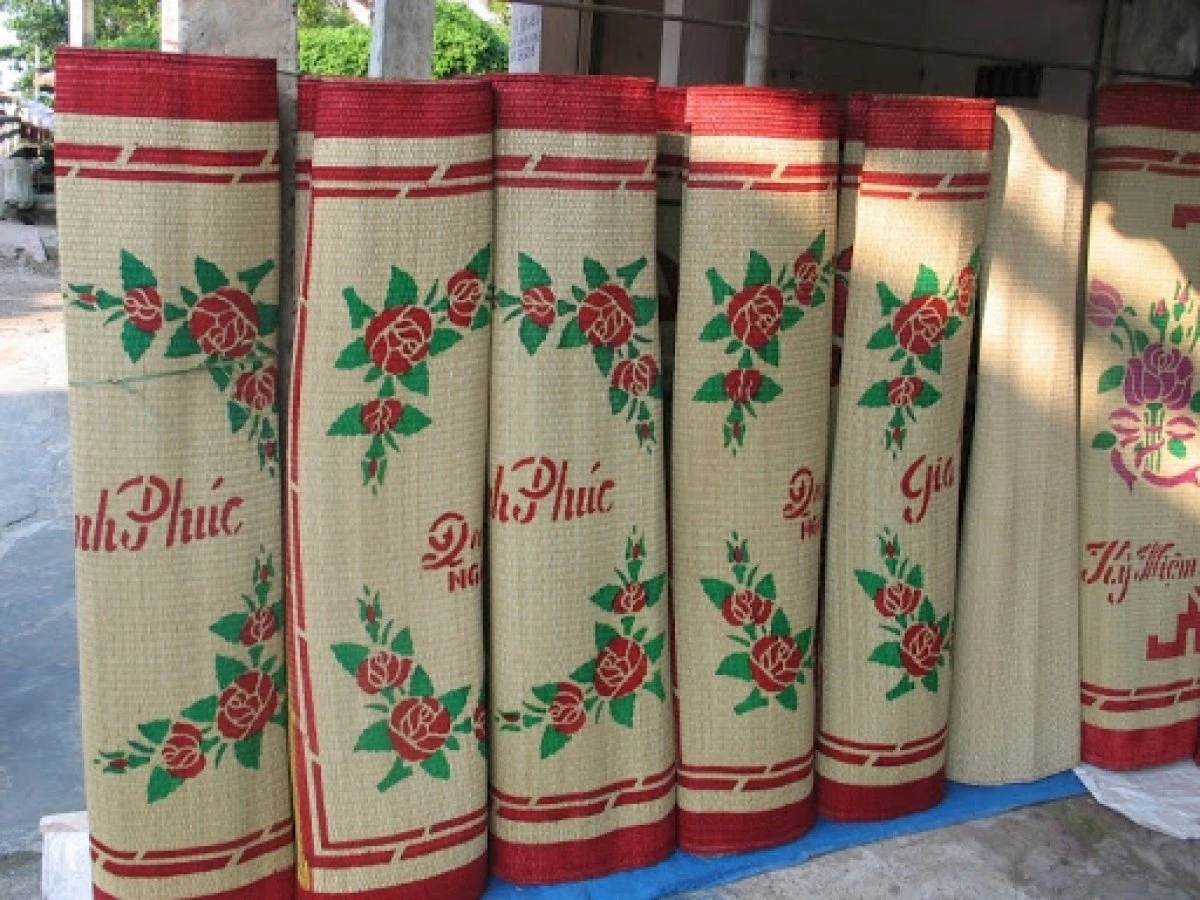
The sedge craft tradition is closely connected with the natural environment and everyday life of the Kim Son coastal district. Sedge, a grass-like plant traditionally used for weaving, has long provided local communities with a practical material for making household and lifestyle products.
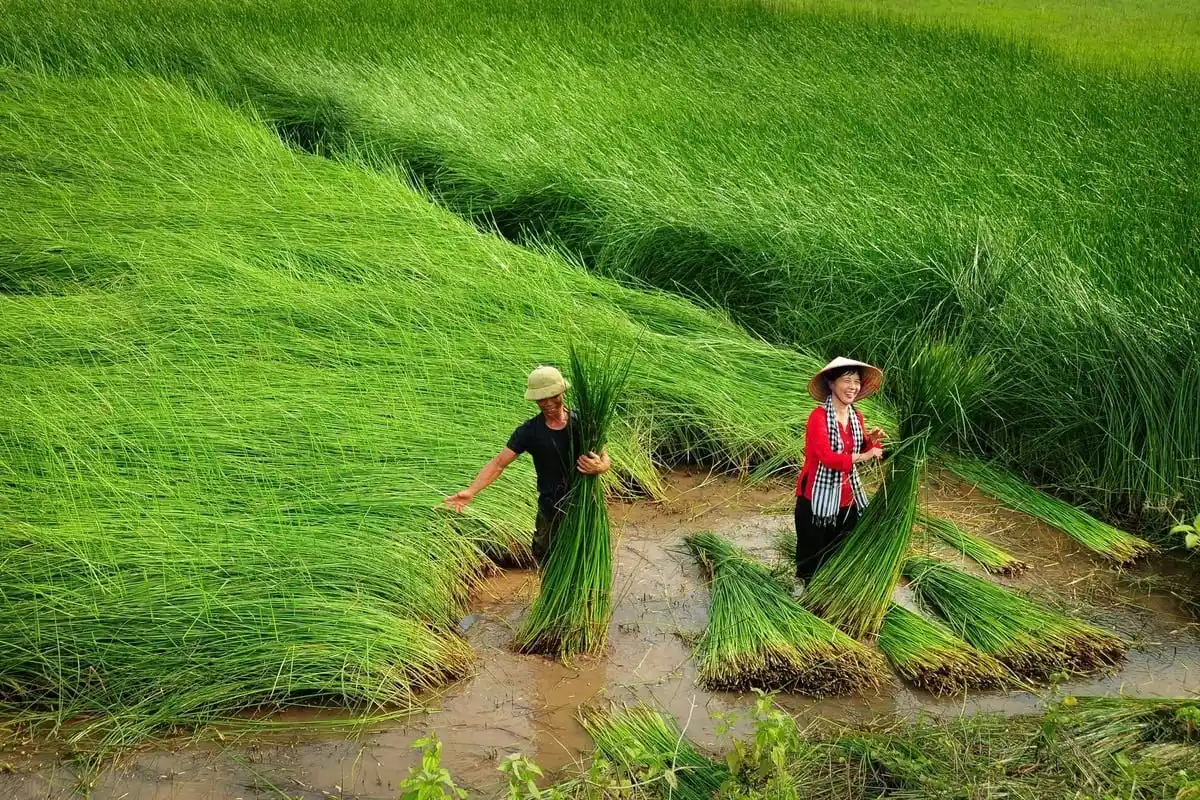
Skilled artisans can transform dried sedge into items such as mats, baskets, bags, storage products and decorative handicrafts. The process often involves preparing the material, sorting it by quality, drying it and then weaving individual pieces into the finished product.
For visitors, the appeal is not simply the finished object. Watching traditional weaving helps explain how a local craft can develop around available natural resources and become part of a community’s cultural identity. This is one reason why a Kim Son sedge craft village can be especially interesting for travelers who enjoy photography, handicrafts and encounters with local traditions.
Unlike mass-produced souvenirs, handmade sedge products often carry visible signs of the human work behind them. Small differences in texture, shape and weaving patterns can make each piece feel more personal.
Kim Son offers an interesting combination of Catholic heritage, traditional handicrafts, rural landscapes and local culture. It is particularly suitable for travelers who want to experience a quieter and more authentic side of Ninh Binh.
Exploring a Kim Son Craft Village
Visiting a Kim Son craft village is generally a slower experience than visiting a major attraction. Instead of following a fixed sightseeing route, travelers can observe workshops, learn about the materials and see how traditional knowledge is used in everyday production.
The experience is particularly enjoyable when approached with curiosity and respect. Ask before taking close-up photographs, avoid interrupting artisans while they are working and remember that these are real working communities rather than open-air museums.
Depending on the visit, travelers may see different stages of the craft process. Raw sedge can look very different from the finished items displayed in a workshop or local shop. The transformation from natural plant material into a carefully woven product is often the most fascinating part of the experience.
For families and cultural travelers, a village visit can also provide a useful contrast with Ninh Binh’s famous natural scenery. After spending the morning among limestone karsts or historic churches, an afternoon exploring a local handicraft tradition adds another dimension to the journey.
Cultural Heritage Beyond Phat Diem Cathedral
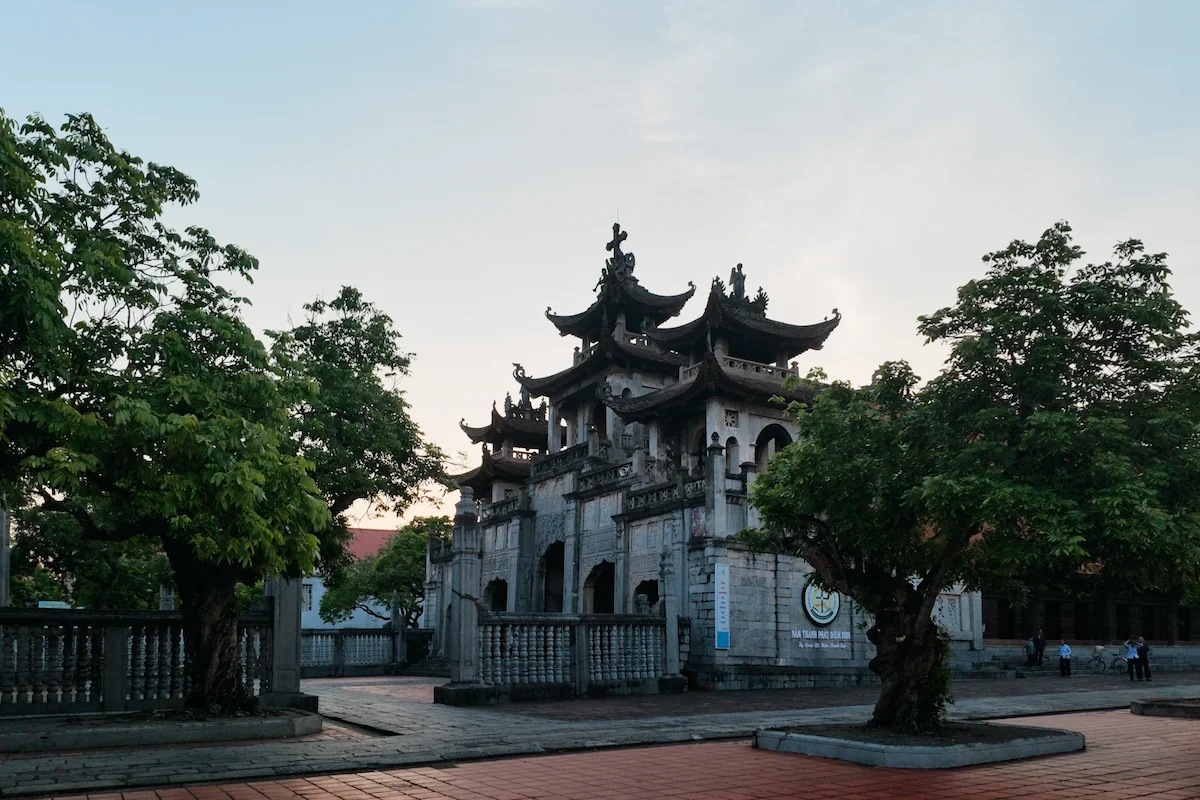
Phat Diem Cathedral deserves its reputation as one of the most remarkable architectural landmarks in northern Vietnam. However, travelers who explore only the cathedral can miss the wider cultural landscape surrounding it.
The Phat Diem surroundings reveal a region shaped by religion, craftsmanship, agriculture and coastal life. Churches and chapels appear alongside traditional villages, while local industries continue to reflect the relationship between communities and their environment.
This broader perspective makes a visit to Kim Son more meaningful. The cathedral is not an isolated monument; it forms part of a larger cultural landscape. By combining architecture with village life, visitors can better understand why this part of Ninh Binh has such a distinctive identity.
Traditional Handicrafts in Ninh Binh: Why They Matter
Traditional handicrafts in Ninh Binh are more than souvenirs for visitors. They represent skills, local materials and ways of life that have developed over time. In Kim Son, sedge weaving is closely connected with the identity of the local community.
Supporting traditional handicrafts in Ninh Binh can also help travelers connect their spending with local experiences. Buying a useful handmade item directly from a craft area can feel more meaningful than purchasing a generic souvenir with little connection to the destination.
Sedge products can also be practical for travelers. Small baskets, woven bags and decorative items are relatively easy to appreciate as gifts, while larger pieces may suit visitors who are interested in home decoration. Before buying, it is always wise to consider luggage space and the rules of your airline or destination country.
Most importantly, visitors should value the craft for the skill involved rather than simply searching for the lowest price. Handmade work requires time, experience and patience, and responsible tourism begins with respecting the people behind the products.
The Architecture of Kim Son: A Different Way to Explore Ninh Binh
Architecture is another reason to spend more time in Kim Son. The area is especially interesting because its built heritage does not fit neatly into a single architectural category.
Phat Diem Cathedral is famous for combining Catholic religious design with elements that feel closely connected to Vietnamese traditional architecture. Beyond the cathedral complex, the wider district contains churches, village buildings and rural spaces that create a distinctive atmosphere.
For travelers interested in architecture, this makes Kim Son an excellent place to slow down. Instead of rushing from one famous attraction to another, take time to look at details: rooflines, stonework, gates, courtyards and the relationship between religious buildings and surrounding villages.
This combination of sacred architecture and everyday craftsmanship is one of Kim Son’s strongest cultural characteristics. A morning exploring historic religious architecture can naturally lead into an afternoon discovering the craft traditions that remain part of local life.
How to Combine Kim Son, Phat Diem and Tam Coc
One of the best ways to experience this part of Ninh Binh is to combine cultural heritage with natural scenery. Phat Diem and Kim Son offer architecture and local traditions, while Tam Coc provides the dramatic limestone landscapes and river scenery that many international travelers expect from Ninh Binh.
A well-planned route can create a varied day or multi-day journey:
- Morning: Explore Phat Diem Cathedral and its historic architectural complex.
- Midday: Enjoy a local meal and experience the quieter atmosphere of the Kim Son countryside.
- Afternoon: Visit a sedge craft area to learn about traditional weaving and handicrafts.
- Later in the trip: Continue toward Tam Coc for rice fields, limestone karsts and a relaxing boat experience.
This type of itinerary is especially suitable for travelers who prefer variety. Instead of seeing several similar attractions in one day, the route combines religion, architecture, handicrafts, food, village life and nature.
For a broader introduction to destinations and experiences across the region, explore our Vietnam travel guides before planning your itinerary.
Photography Tips for Kim Son’s Craft Villages and Architecture
Kim Son can be rewarding for photographers because it offers a combination of large architectural subjects and intimate human details.
At craft workshops, look for textures: woven patterns, bundles of natural material, hands at work and the contrast between raw sedge and finished products. These details often tell a stronger story than a simple photograph of a shop display.
When photographing architecture, step back to include the relationship between buildings and their surroundings. Courtyards, village roads, trees and everyday activity can add context to an image of a church or historic structure.
Always ask permission before making close portraits of artisans or local residents. Respectful photography creates a better experience for both visitors and the people who call these communities home.
When Is the Best Time to Visit Kim Son?
Kim Son can be combined with a wider Ninh Binh trip throughout much of the year, but the experience will depend on weather, photography preferences and your overall itinerary.
Cooler and drier periods can be comfortable for exploring architecture and villages on foot. Warmer months bring greener countryside but can also mean stronger sunshine and occasional rain. If you plan to photograph craft activities, architecture or village life, softer morning and late-afternoon light is often more pleasant than the middle of the day.
Because Kim Son is best experienced as part of a wider cultural journey, it is worth allowing enough time rather than trying to squeeze everything into a rushed stop.
Why Kim Son Deserves More Attention from Travelers
Ninh Binh is famous for spectacular landscapes, but its cultural experiences deserve equal attention. A Kim Son sedge craft village offers something that visitors may not find on the region’s most popular tourist routes: the opportunity to see how traditional skills remain connected to everyday community life.
Combined with the architectural heritage around Phat Diem, the sedge craft tradition gives Kim Son a distinctive identity. It is a destination for travelers who want to look beyond famous viewpoints and discover the stories behind a place.
Whether you are interested in handicrafts, architecture, photography or authentic local experiences, Kim Son can add depth to a Ninh Binh itinerary. Visit with curiosity, take your time and leave space in your journey for the quieter places that often reveal the most memorable stories.
Plan a More Meaningful Ninh Binh Journey
Combine the architectural heritage of Phat Diem, the traditional crafts of Kim Son and the spectacular landscapes of Tam Coc for a journey that goes beyond the usual tourist route. A thoughtfully planned itinerary allows you to experience the culture, craftsmanship and scenery that make this part of northern Vietnam truly distinctive.