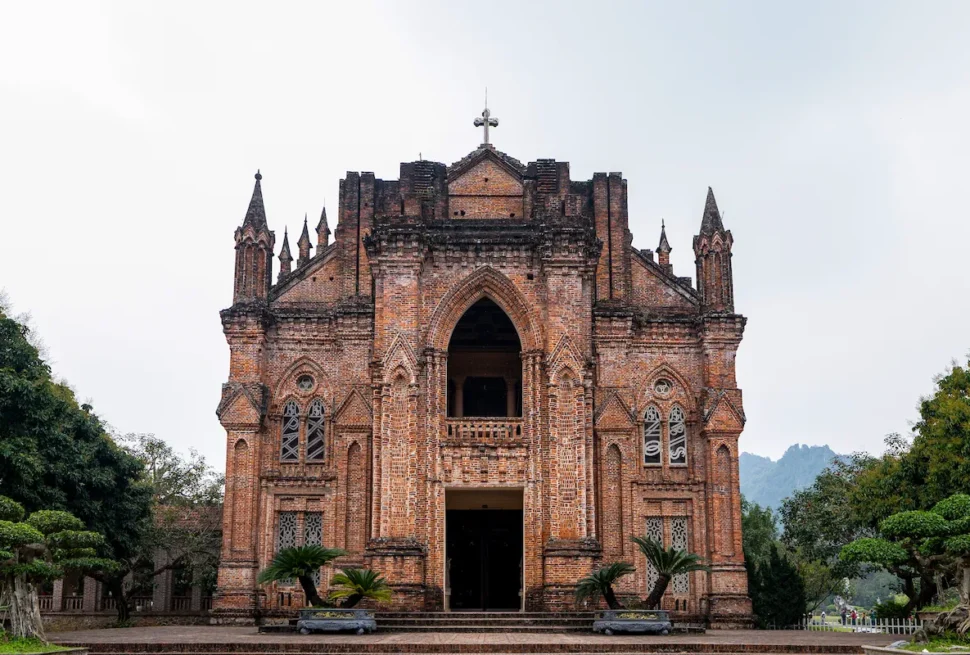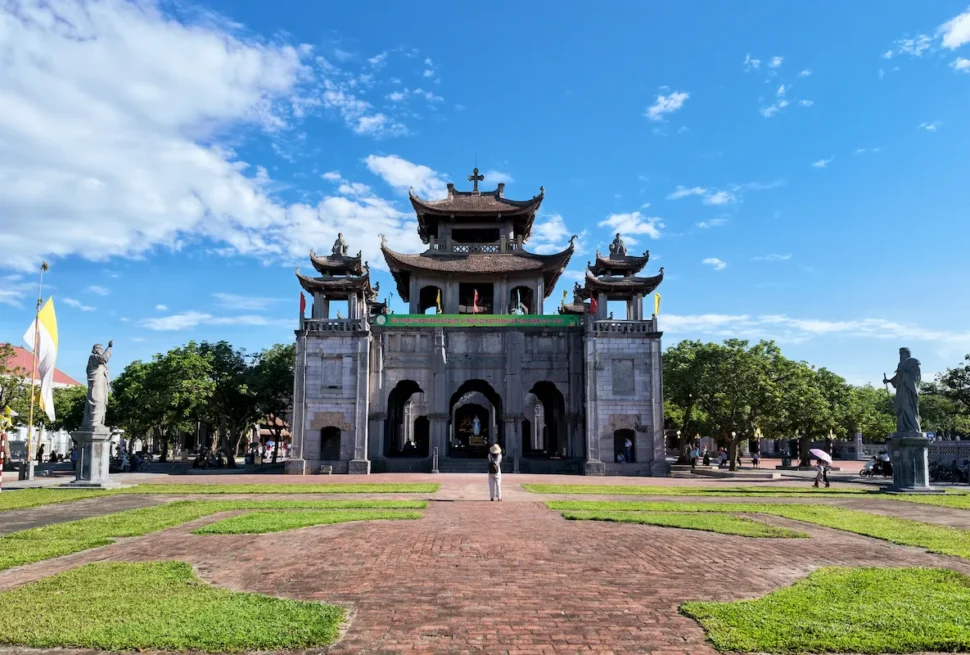

From the slow drift through cave-filled rivers to the quiet hush of ancient temples, Ninh Binh is a compact region where dramatic karst scenery meets cultural heritage. This guide is written for first-time visitors who want a realistic pace grouping sights by geography so you don’t rush between far-flung highlights. In practice, a thoughtful 2–3 day plan lets you enjoy river scenery, temples, and countryside without feeling rushed. If you have a full four days, you can deepen rests, add cycling routes, and visit quieter corners like Van Long or Phat Diem Cathedral for a slower tempo.
Below you’ll find how the area is organized, how many days to allocate, how Tam Coc and Trang An differ, where cycling fits best, and where to base yourself for a balanced itinerary. You’ll also find practical tips on transport, seasons, and temple etiquette to help you travel smoothly.
Quick Overview
Ninh Binh rewards a patient pace. The region is neatly divided into three core zones—Tam Coc, Trang An with Hoa Lu and Bai Dinh, and the quieter Van Long–countryside arc. Base yourself in Tam Coc or Ninh Binh town for easy cycling and river trips; Trang An makes a serene second base for longer boat circuits and temple visits. Plan 2–3 days for a balanced sample, 4 days for a deeper slow itinerary.
Ninh Binh travel guide: Geography at a glance
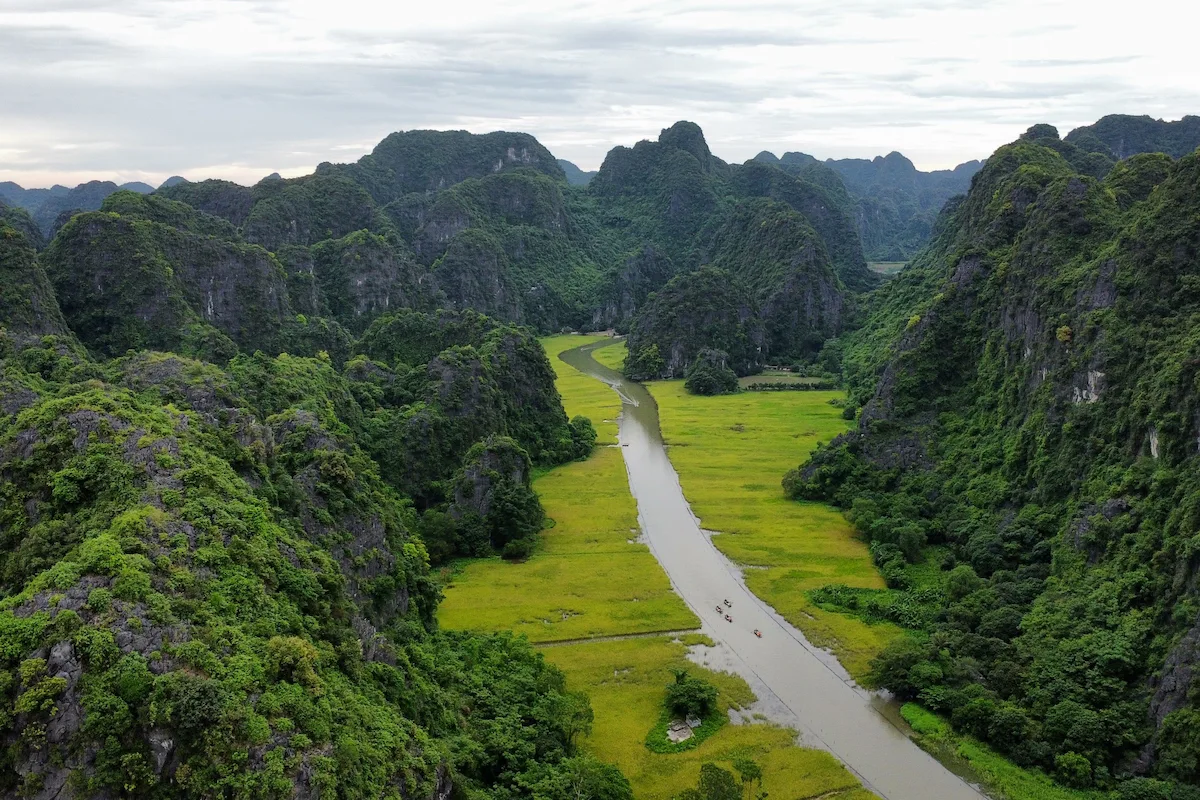
Think of Ninh Binh as a compact map with three main clusters that you can experience in a logical sequence without backtracking. Each zone has a distinct character, and linking them by a sensible route helps you avoid long transfers and crowded days.
Tam Coc cluster: River views, caves and easy cycling
The Tam Coc area centers on the river trip often described as a mini Halong on land—calm waters framed by limestone peaks, with neat paddled routes that pass through three natural caves. The scenery is intimate, and because the boatmen dock near rice paddies and staging areas, you can combine the boat ride with a relaxed morning or afternoon cycling loop. Bich Dong Pagoda and Mua Cave (for a view over the valley) sit close to Tam Coc and are popular add-ons when you want to stretch a day.
Trang An–Hoa Lu–Bai Dinh: Grand river circuits and temple culture
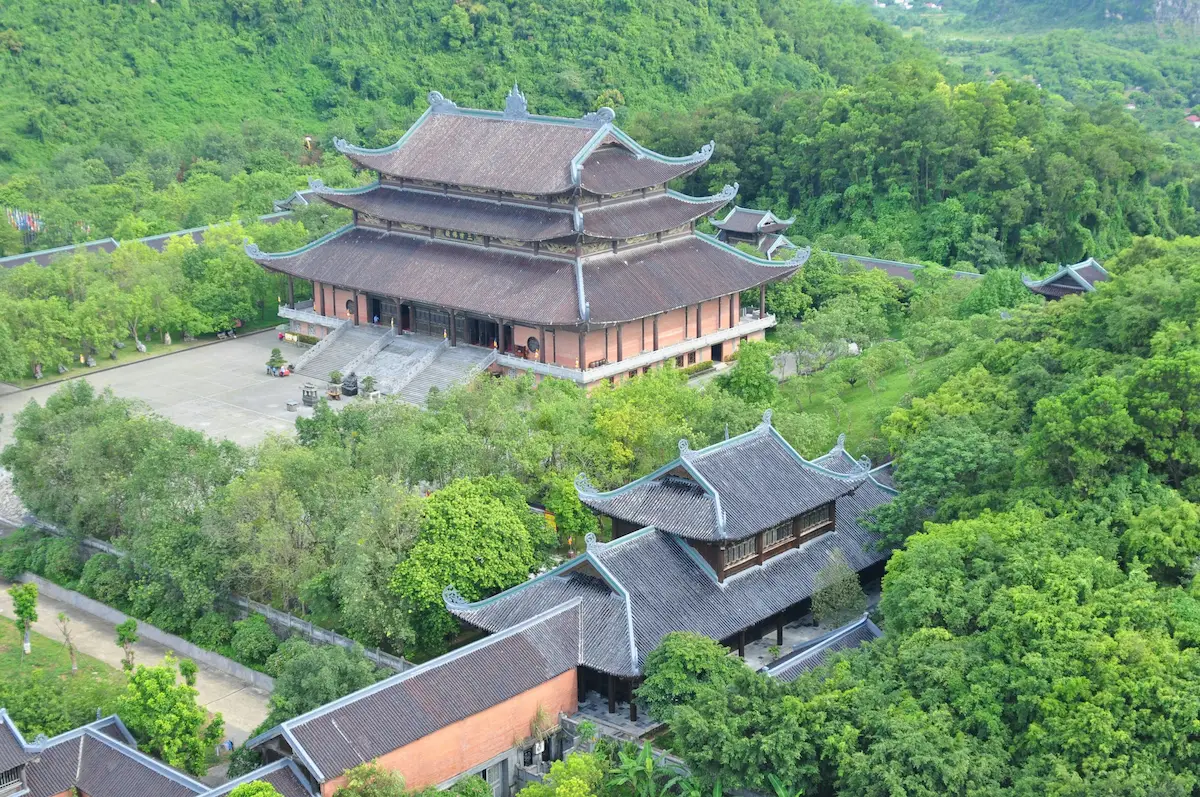
Trang An is a broader water circuit with larger boats that follow longer routes through a sequence of caves and canyon-like channels. It’s a more expansive experience than Tam Coc, with a sense of grandeur created by the scale of the limestone peaks and the deeper, shaded passages. Hoa Lu, the ancient capital’s temples, sits nearby, and Bai Dinh Pagoda—one of Southeast Asia’s largest Buddhist complexes—offers a modern, sprawling temple visit that’s easy to combine with a day of cultural exploration. The Trang An zone is particularly well-suited to a slower pace: you can enjoy a morning boat and still have time for a temple circuit and a relaxed lunch nearby.
Van Long and the countryside arc: Birdlife, quiet lanes and rural charm
Just north and west of the main clusters lies Van Long Nature Reserve, a reed-fringed wetland that’s famous for birdlife and tranquil boat rides in a smaller, less crowded setting. This area makes a good add-on for a slower, nature-forward day or for a fourth day when you want a softer pace and some cycling through village lanes, siu-farm views, and local tea stops.
How many days are useful in Ninh Binh?
The short answer: 2 days is workable for a compact, well-paced visit; 3 days is ideal for a balanced mix of river scenery, temples, and countryside; 4 days is excellent if you want a leisurely rhythm with cycling, more temple time, and a relaxed pace around Van Long or Phat Diem Cathedral. Here are practical baselines you can adapt to your travel style.
- 2 days: Day 1 Tam Coc area (boat ride + optional cycle to Bich Dong); Day 2 Trang An circuit plus Hoa Lu temples. This works well if you’re short on time and want a clear Tam Coc vs Trang An contrast.
- 3 days: Day 1 Tam Coc (boat, cycling, sunset at a viewpoint), Day 2 Trang An (longer boat circuit) with Hoa Lu temples, Day 3 Bai Dinh and a relaxed countryside loop or Van Long for birdwatching.
- 4 days: Add a cycling day around Bai Dinh–Trang An countryside, a quiet morning in Van Long, and a slow, temple-filled finale at Phat Diem Cathedral or Phu Long Church countryside visits. This allows truly unrushed days and multiple light activity options each day.
Tam Coc vs Trang An: what’s the difference?

Both are magical river experiences, but they cater to different vibes and pacing. Here’s how they typically compare for first-time visitors planning a calm, geography-first itinerary.
- Circuit and scenery: Tam Coc is best described as a scenic loop along a gentle river through three caves, with dramatic karst mountains framing the water, rice fields, and a more intimate feel. Trang An is a longer, more varied boat trip that threads through multiple caves beneath towering peaks; it often feels more expansive and shaded by forest canopies, with a greater sense of “core landscape” drama.
- Crowds and timing: Tam Coc can get busy, especially around peak season and late mornings, but early starts or late afternoons are generally comfortable. Trang An tends to be busier on weekends or public holidays due to the longer circuit and larger boats, so an early start helps avoid crowds.
- Complementary experiences: Tam Coc pairs well with a light cycling loop to nearby viewpoints like Mua Cave; Trang An naturally complements temple visits in Hoa Lu and Bai Dinh, giving a broader cultural rhythm to a day or two of exploration.
The choice isn’t exclusive – many travelers combine both in a two- or three-day plan, using Tam Coc for a relaxed start and Trang An for a deeper river immersion and temple visits later in the trip.
Where to stay and where to base yourself
Your base shapes your pace. Tam Coc and Ninh Binh town (often referred to as the main town near Hoa Lu) are the two most practical bases for first-timers. Here’s how they typically suit different travel styles.
- Best for first-time visitors who want easy access to boat trips and short cycling routes. You’ll find a concentration of guesthouses, mid-range hotels, and some homestays with farm-country charm. Staying here makes a two-day routine easy: morning Tam Coc boat, afternoon cycling, optional sunset viewpoints, and close evenings in a calm village setting.
- Near Hoa Lu and Bai Dinh: A convenient anchor for longer temple days and a broader town atmosphere. It’s a good base if you plan a couple of temple visits, plus easy transfers to Trang An. You’ll have more dining and shopping options, useful for longer stays or if you’re seeking a livelier evening scene.
- A quieter option if you want a more serene river experience, with shorter transfers to temples and fewer crowds in the evening. It’s workable for a two-day plan if you prefer fewer hotel options and a peaceful stay.
Getting around: Transport, timing and practicalities
Ninh Binh is built for easy, human-scale travel. The distance from Hanoi is the most common entry point for international visitors, with several practical ways to reach the region.
- The most common options are trains or buses to Ninh Binh City, Tam Coc, or the Hoa Lu area. Trains offer a comfortable and scenic journey, while buses provide more flexibility, with drop-off points near Tam Coc or Trang An. From your arrival point, local taxis, motorbike rentals, or bicycle rentals are practical options for getting around and visiting nearby attractions.
- The most convenient way to move between the Tam Coc cluster, Trang An, and Hoa Lu is a combination of short taxi rides and bicycle or scooter days. Some guesthouses organize private transfers or shared boat pickups if you book through a hotel
- Start early for Boat Trips, especially in Tam Coc and Trang An, to beat crowds and the heat. Afternoon visits to temples like Bai Dinh can be cooler and more comfortable for walking around large temple complexes.
Seasonal notes and practical tips
Weather matters for boat trips and outdoor activities, particularly in the Tam Coc and Trang An canal zones. Here are practical considerations to help you plan without over-optimism or anxiety about the weather.
- Expect clearer skies and calmer rivers for boat trips. It’s the most popular window for photography and sightseeing. Pack sun protection, light layers for cool mornings, and breathable clothes for mid-day heat.
- Boat operations can be affected by heavy rains or high water levels. It’s wise to have a flexible plan; many days still allow morning boat trips with alternative indoor temple visits if weather shifts. Bring a lightweight rain jacket and quick-dry clothing.
- Dress modestly when visiting Bai Dinh and Hoa Lu. Shoulders and knees should be covered; remove hats before entering pagodas; photography rules may apply in sacred zones—watch for posted signs and guides’ instructions.
Practical planning notes and a sample 3-day itinerary (geography-first pacing)
To help you translate the zones into a realistic schedule, here’s a geography-forward sample itinerary that minimizes backtracking while maximizing the river and temple experiences.
Planning Note
If you’re visiting during peak season, consider starting your day at Tam Coc before the crowds, then head to Trang An mid-morning, and dedicate your afternoon to temples or countryside cycles. If you have four days, add a quiet morning in Van Long, and save part of your day for Phat Diem Cathedral or a longer cycling loop.
Day 1 — Tam Coc adventure and countryside cycling
Start with a Tam Coc boat ride, ideally early to catch softer light and fewer boats. The three-cave circuit is the classic route, with limestone peaks rising on either side and paddlers guiding you through shaded passages. After the boat, rent a bicycle for a relaxed loop through the surrounding villages and rice fields. The route can include a stop at Bich Dong Pagoda, a hillside temple complex with a long set of steps and a patchwork view of the valley below. If you’re keen on a panoramic finish, Mua Cave offers a popular viewpoint over the entire Tam Coc valley. Return to your base for a sunset meal or a gentle stroll along the paddy edges.
Day 2 — Trang An circuit and Hoa Lu temples
Reserve this day for Trang An’s longer boat circuit. The route travels through shaded gorges, past towering cliffs, and into a succession of caves. It’s a different rhythm from Tam Coc—more expansive, with longer stretches of calm water and fewer intimate close-ups of the fields. After the boat, visit Hoa Lu’s ancient temples to learn about Dinh and Le dynasties in a once-thriving capital site. If time allows, continue to Bai Dinh Pagoda for a sweeping temple complex and panoramic hillside viewpoints. A final, easy stroll in the surrounding countryside makes for a gentle evening before you depart or return to your base.
Day 3 — Optional slow day: Van Long or countryside cycling and Phat Diem Cathedral
For a more leisurely pace, spend a day in Van Long Nature Reserve. A quiet boat ride through reed beds and lagoons offers birdwatching and a peaceful contrast to the busier river routes. If you’d rather stay active, rent a bicycle again to explore village lanes around Bai Dinh and Trang An, with stops for tea, bowls of noodles, and scenic views. If temples are your focus, a half-day trip to Phat Diem Cathedral, a short drive from Ninh Binh city, provides a grand example of colonial-era religious architecture set in a rural landscape.
What to pack and how to keep it simple
To keep your pace worry-free, pack light and practical items that cover changing conditions and long days outdoors.
- Light, breathable clothing with modest coverage for temple visits.
- Comfortable sneakers or sandals and a lightweight rain jacket for the shoulder seasons.
- Sun protection: hat, sunglasses, and high-SPF sunscreen.
- A small daypack with water, a snack, and a compact camera or smartphone for photos along the river.
- Cash in small denominations for temple donations, snacks, and local markets.
Five practical planning tips you’ll actually use
- Book early-start boat trips when possible to avoid peak crowds, especially in Tam Coc and Trang An during weekends and holidays.
- If you’re including Bai Dinh, plan it as a late-m morning or post-lunch activity when temperatures are comfortable for walking.
- Combine a boat trip with a cycling route on the same day for a balanced experience of water and land.
- Choose your base with pace in mind: Tam Coc for a hands-on village feel and easier boat access; Ninh Binh town for temples and broader dining options.
- Check weather and local transport arrangements the day before, especially if you’re traveling in the rainy season.
Frequently asked questions
Q1. How many days are useful in Ninh Binh?
2 days is a solid minimum for a satisfying sample of Tam Coc, Trang An, and temples; 3 days lets you pace a comfortable Tam Coc–Trang An–temple sequence with a countryside day; 4 days suits travelers who want extra cycling, quieter corners, or a slower tempo.
Q2. What’s the difference between Tam Coc and Trang An?
Tam Coc offers a shorter, more intimate river loop through three caves with a gentle pace and strong scenery. Trang An provides longer, shaded circuits, grander canyon-like passages and a broader sense of scale, often paired with nearby temple visits for a fuller cultural day.
Q3. Which areas suit cycling or an overnight stay?
Tam Coc is ideal for cycling around rice paddies and nearby viewpoints and is a common overnight base. Ninh Binh town offers a livelier evening scene and easy temple access. Trang An and Bai Dinh areas are great for slower river days and temple visits, with several guesthouses and hotels available for overnight stays.
Q4. When is the best time to visit?
Late autumn and early winter (roughly October to December) and spring (February to April) are popular for clear skies and comfortable temperatures. The rainy season can still be rewarding if you’re flexible with boat times and have rain gear ready.
Q5. How do I get from Hanoi to Ninh Binh?
Trains and long-distance buses are reliable options. Trains to Ninh Binh city stop near key sights, while a bus may drop you closer to Tam Coc or Trang An. From the arrival point, use a taxi or arranged transfer to your base, or rent a bicycle if you’re staying in Tam Coc or nearby villages.