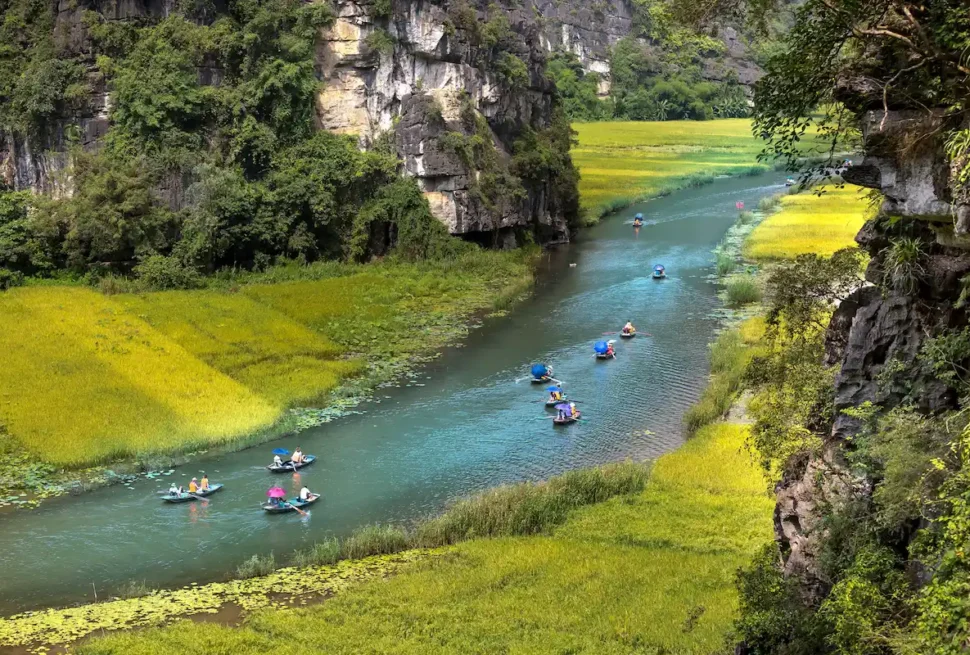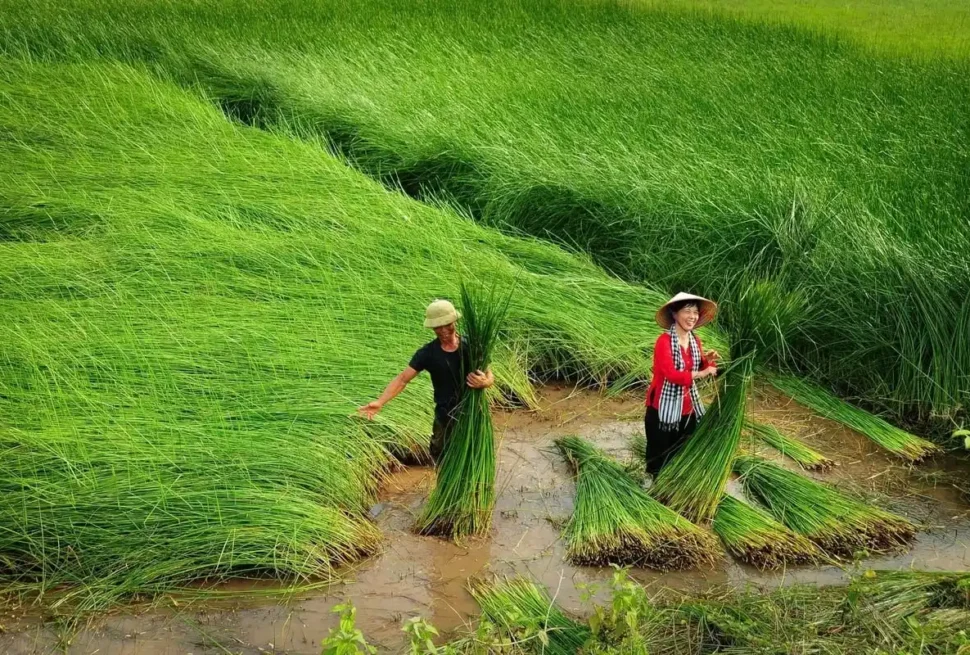
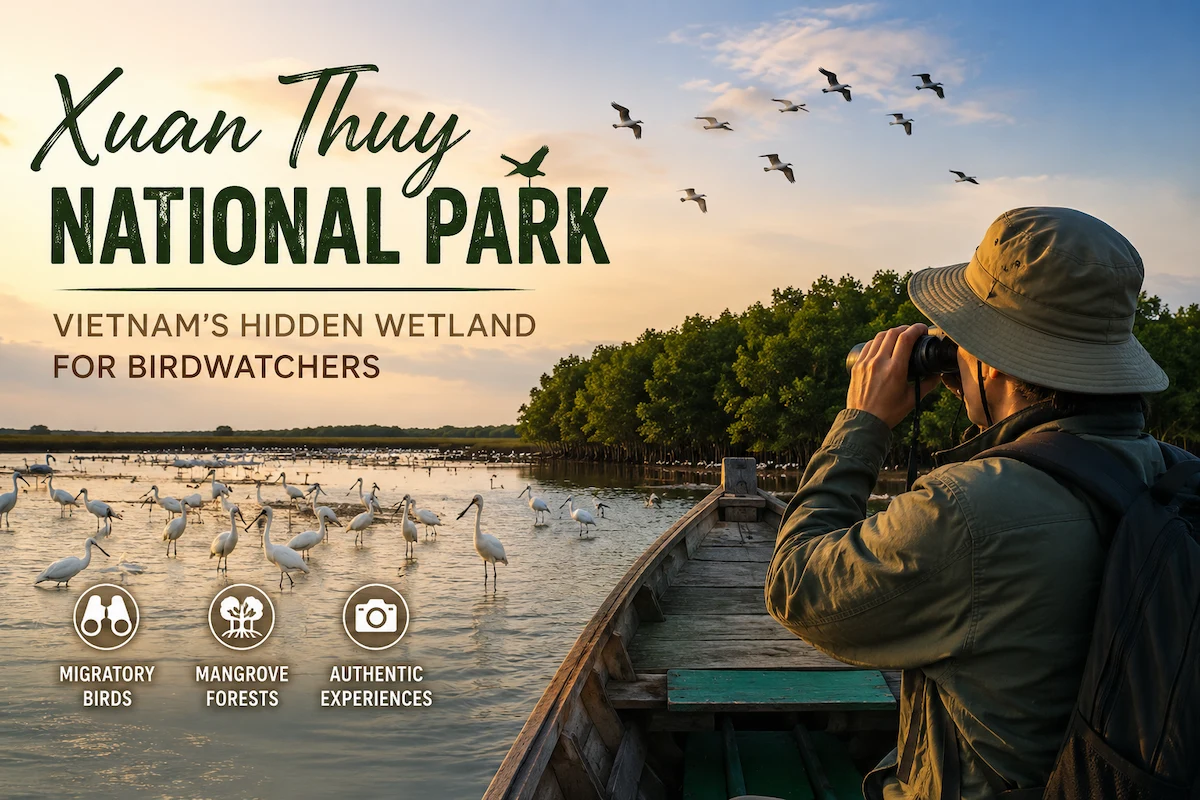
Xuan Thuy National Park is one of northern Vietnam’s most rewarding destinations for travelers who want to discover a quieter side of the country. Set around the Red River estuary, this internationally important wetland combines mangrove forests, tidal mudflats, waterways, coastal villages, and an exceptional concentration of migratory birds. Unlike the crowded landscapes of Trang An or Tam Coc, the experience here is shaped by tides, wildlife, and the daily lives of local communities. For birdwatchers, photographers, nature lovers, and responsible travelers, Xuan Thuy offers a different way to experience northern Vietnam.
Why visit? Xuan Thuy combines one of northern Vietnam’s most important wetland ecosystems with seasonal migratory bird activity and a genuine connection to coastal village life.
Xuan Thuy National Park: A Hidden Wetland on Vietnam’s Red River Delta
Location
Why Xuan Thuy National Park is special
Located around the mouth of the Red River, Xuan Thuy National Park protects a coastal wetland ecosystem where freshwater from the delta meets the sea. Its landscape is very different from the karst scenery that has made inland Ninh Binh famous. Instead of towering mountains, visitors encounter mangrove forests, tidal channels, mudflats, sandbanks, reed beds, aquaculture areas, and wide-open coastal views.
The park has an internationally important conservation history. It became Vietnam’s first Ramsar site in January 1989 and forms part of the Red River Delta Biosphere Reserve. In March 2026, it officially received ASEAN Heritage Park status, adding another major international recognition to its ecological importance.
Xuan Thuy National Park at a glance
| Location | Giao Minh Commune, Ninh Binh Province, Vietnam (formerly Giao Thien Commune, Giao Thuy District, Nam Dinh Province) |
| Landscape | Mangroves, tidal mudflats, waterways and coastal wetlands |
| International status | Ramsar site and ASEAN Heritage Park |
| Best known for | Migratory birds and wetland biodiversity |
| Best travel style | Birdwatching, nature, photography and community-based travel |
| Entrance fee | Free of charge. Visitors only pay for the services they use, such as boat trips. |
The best reason to visit: migratory birds
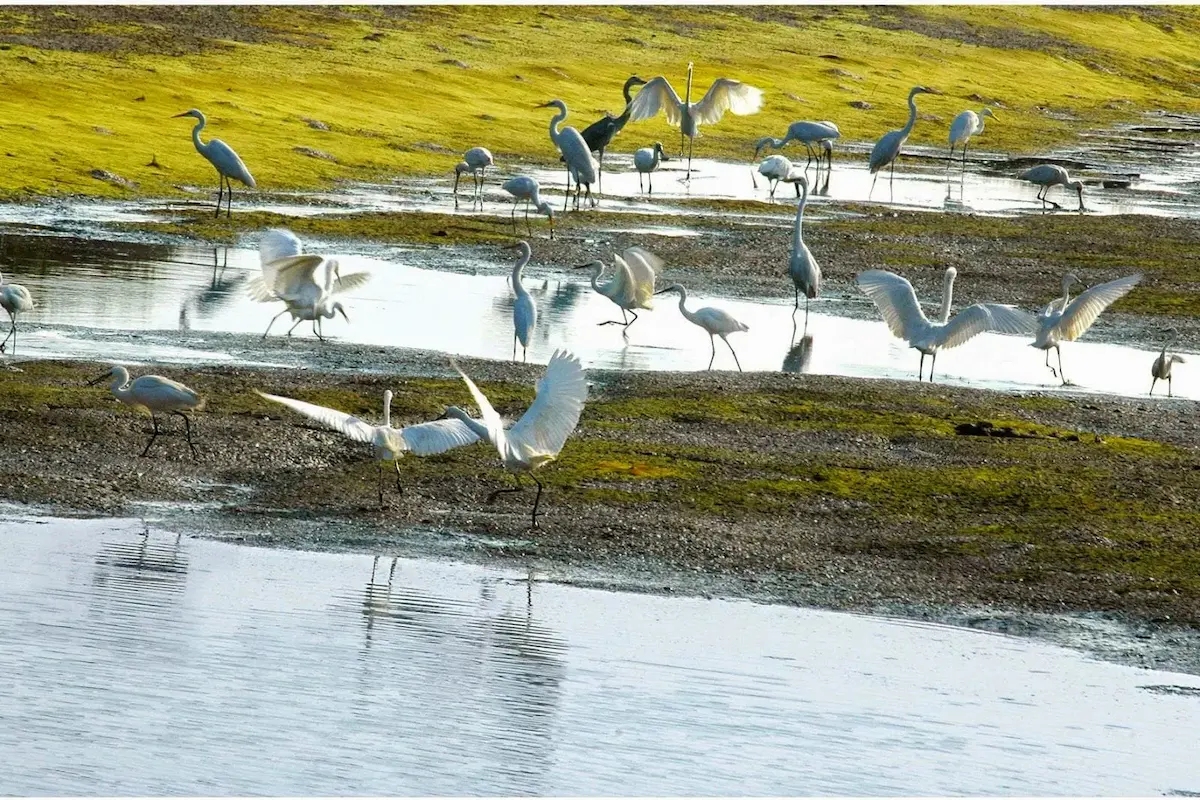
For international visitors, the strongest reason to put Xuan Thuy on a northern Vietnam itinerary is its role as a seasonal refuge for migratory birds.
From roughly autumn through spring, birds arriving from northern breeding grounds use the Red River Delta’s wetlands as feeding and resting areas. The period from October to April is particularly interesting for visitors, with bird activity generally strongest during the cooler migration season.
Among the species associated with the wetland is the black-faced spoonbill, a globally threatened waterbird that has made coastal wetlands in East Asia a major conservation priority. Spoonbills, waders, gulls, pelicans, herons, storks, and ducks can all contribute to the impressive seasonal diversity of the area.
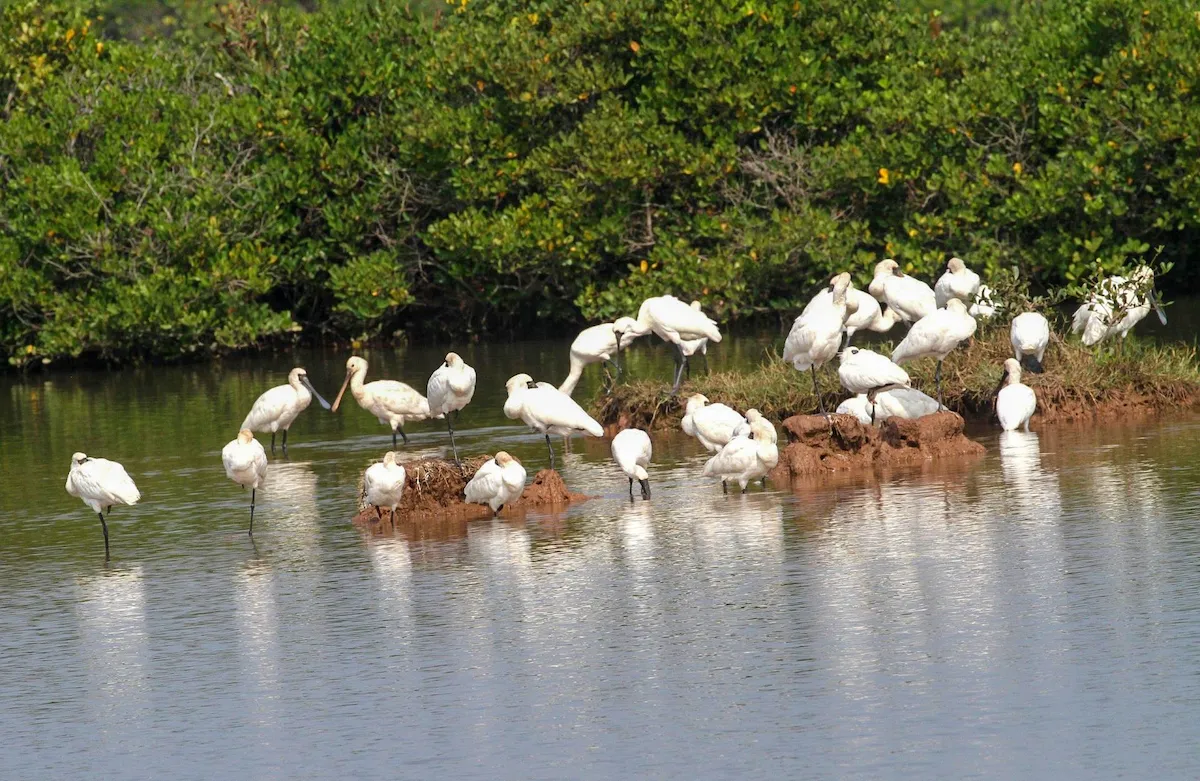
Birdwatching tip
Wild birds are unpredictable. Tides, weather, season, feeding conditions and human activity can all affect what you see on the day.
Birdwatching is about the landscape, not only the birds
One of the most rewarding aspects of Xuan Thuy National Park is understanding why so many birds gather here. The answer lies in the wetland itself.
Mangrove forests provide shelter and nursery habitat, while tidal mudflats expose rich feeding grounds as water levels change. Estuarine channels connect different parts of the ecosystem, and the surrounding coastal environment supports fisheries, aquaculture, shellfish gathering, and other livelihoods.
This creates an unusually interesting travel experience. You are not simply looking at birds through binoculars. You are watching an entire coastal system in which wildlife and people depend on the same water, mud, forests, and tidal rhythms.
When should you visit?
For a first birdwatching trip, October to April is the most attractive period because migratory birds are present during the cooler months. Within that broad season, conditions can still vary considerably, so travelers should check local weather, tidal conditions, and current access arrangements before setting out.
Early morning is generally the most comfortable time for outdoor observation, particularly for photographers who want softer light and cooler temperatures. A quiet approach is essential: sudden movement, loud conversations, and getting too close to birds can reduce the quality of the experience for both wildlife and visitors.
How to Experience Xuan Thuy National Park Responsibly
The right mindset: Xuan Thuy is not a conventional sightseeing attraction. It is a protected wetland and a working landscape where conservation and local livelihoods exist side by side.
Take a boat, but let the tides shape your journey
Boat travel is one of the most distinctive ways to explore Xuan Thuy National Park. Tourism routes have included estuary cruises, birdwatching trips, field excursions, and countryside experiences that connect the wetland with nearby communities.
A boat ride gives travelers a perspective that is difficult to obtain from the road. Instead of viewing the mangrove ecosystem from a single point, you can move through channels and tidal landscapes while observing how water levels constantly reshape the environment.
Important travel update: Boat operations can change according to weather, safety regulations and local conditions. Check the latest operating status with Xuan Thuy National Park or Ninh Binh tourism authorities before planning a boat-based visit.
Meet the people who live around the wetland
A trip to Xuan Thuy becomes much more meaningful when it includes the communities surrounding the protected area.
The buffer zone supports activities linked to fishing, aquaculture, crab and shellfish gathering, and other coastal livelihoods. Earlier tourism and conservation programs have also promoted community-based activities designed to connect visitors with the wetland while strengthening local support for conservation.
For foreign travelers, this human dimension is one of the park’s greatest advantages. You can learn how tides influence working routines, how coastal families make a living from aquatic resources, and why healthy mangroves matter far beyond birdwatching.
This is also where responsible tourism becomes important. The wetland is not simply a recreational backdrop. It is a living environment and a working landscape. Supporting locally operated services, following park regulations, avoiding disturbance to wildlife, and respecting private homes and fishing areas can help ensure tourism brings value to the communities that live here.
What should you bring?
| Item | Why it helps |
|---|---|
| Binoculars | Useful for observing birds without approaching them |
| Camera & telephoto lens | Ideal for distant wildlife photography |
| Comfortable shoes | Practical for wetland paths and village exploration |
| Hat & sunscreen | Important during extended outdoor observation |
| Insect repellent | Helpful around wetland and mangrove environments |
| Bird guide or app | Makes identifying and recording species more rewarding |
How long should you spend at Xuan Thuy?
A half-day visit can provide an introduction to the wetland, but travelers who want a deeper experience should consider spending a full day or staying overnight in the surrounding countryside.
The extra time allows you to combine several experiences rather than rushing from one viewpoint to another: birdwatching, a wetland or estuary excursion when available, a countryside ride, local food, and conversations with people in nearby villages.
This makes Xuan Thuy National Park particularly suitable for travelers who have already seen the major attractions of northern Vietnam and now want something slower and more authentic.
How to combine Xuan Thuy with a Ninh Binh itinerary
The park works especially well as part of a broader journey through the new Ninh Binh province. Instead of seeing Ninh Binh only as a destination of limestone mountains and boat rides, travelers can experience a much wider landscape: karst valleys, rice fields, rural villages, wetlands, mangrove forests, and the coast.
A “Mountains to Wetlands” journey
Start with Trang An or Tam Coc, continue toward the coastal countryside, and then spend time around Xuan Thuy National Park exploring the Red River estuary and surrounding communities.
For travelers continuing toward Hai Phong and Cat Ba, the experience becomes even more distinctive. The journey can gradually move from inland karst landscapes to wetlands, coastal communities, a major port city, and finally the marine limestone islands of Cat Ba and Lan Ha Bay.
Planning a longer trip around the region? Explore our Ninh Binh Travel Guide for practical information, cultural highlights, nature experiences, and ideas for discovering more of this fascinating destination beyond its most famous attractions.
Why Xuan Thuy deserves a place on the international tourism map
Xuan Thuy National Park may never become a destination for mass tourism, and that could ultimately be one of its greatest strengths. Its appeal lies in space, wildlife, seasonal change, and meaningful encounters rather than a long checklist of attractions.
For birdwatchers, it offers access to one of northern Vietnam’s most important wetland environments. For photographers, it provides constantly changing light, water, birds, mangroves, and rural life. For nature travelers, it demonstrates how a coastal ecosystem functions. And for culturally curious visitors, it opens a window onto communities whose lives remain closely connected to the tides.
As the new Ninh Binh province develops a wider tourism identity stretching from its famous limestone landscapes to its coastal wetlands and communities, Xuan Thuy has the potential to become one of the region’s most distinctive nature experiences.
A different side of Northern Vietnam
Rather than asking whether Xuan Thuy is another “must-see attraction,” a better question is whether you want to experience a different side of Vietnam — one shaped by birds, tides, wetlands, local people and coastal life.
Travel note: Wildlife sightings are never guaranteed, and access to waterways can change according to weather, tides, and official safety regulations. Check current conditions with Xuan Thuy National Park or Ninh Binh’s official tourism information before traveling.