
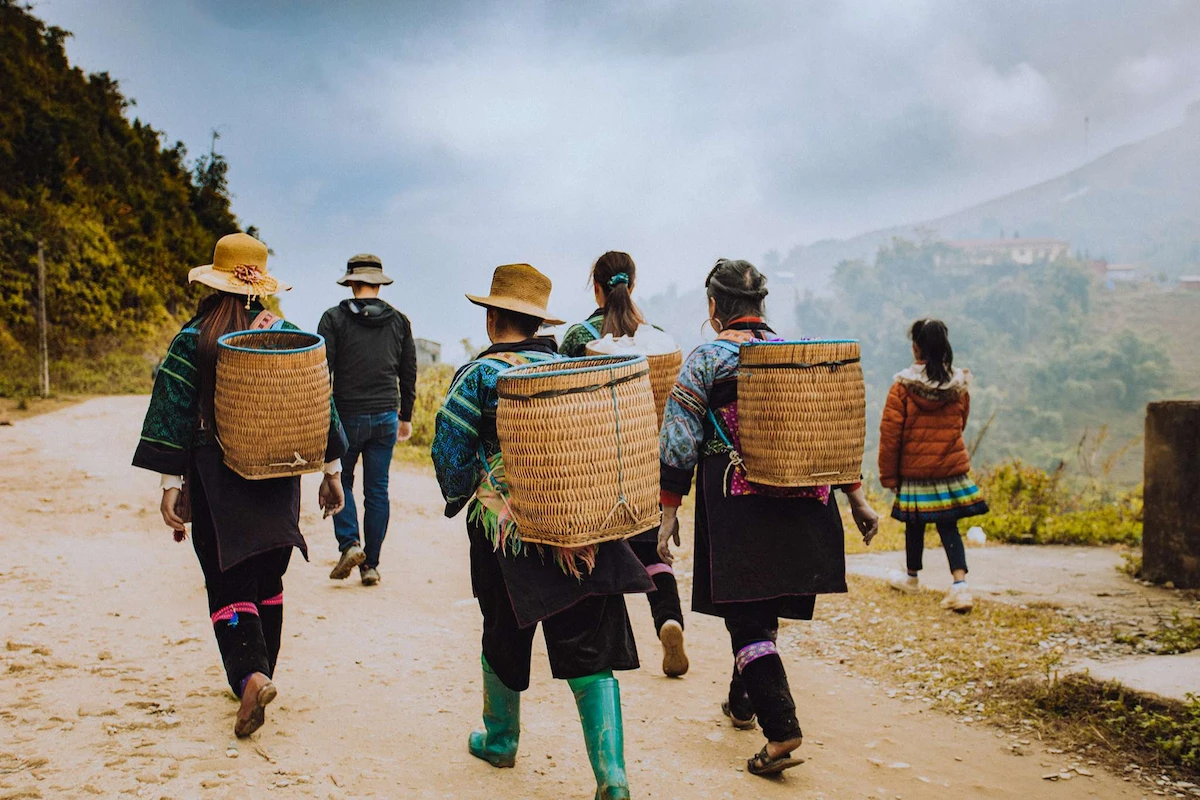
From emerald rice terraces that catch the light at sunrise to hill-tribe villages tucked along winding trails, Sapa in the Vietnamese highlands offers a compact but spellbinding escape. This Sapa trekking and itinerary guide for first-time visitors is designed to help you balance mountain time with town time, while treating local communities with respect and curiosity. Whether you’re a nature enthusiast, a casual hiker, or a cultural traveler, the right pace will let you savor views without burning out.
Quick Overview
- Best for first-time visitors seeking a balanced mix of trekking, scenery and town time
- Ideal duration: 3–4 days for a comfortable overview; 2 days for a concise sampler
- Core treks: Lao Chai–Ta Van, Cat Cat Village; optional Fansipan ascent or cable-car visit
- Culture: visit ethnic villages with a local guide; ask before photos; respect private homes and fields
- Seasonal notes: spring and autumn best for clear views; the wet season brings lush greens but more rain
What to Expect from This Sapa Trekking and Itinerary Guide for First-Time Visitors
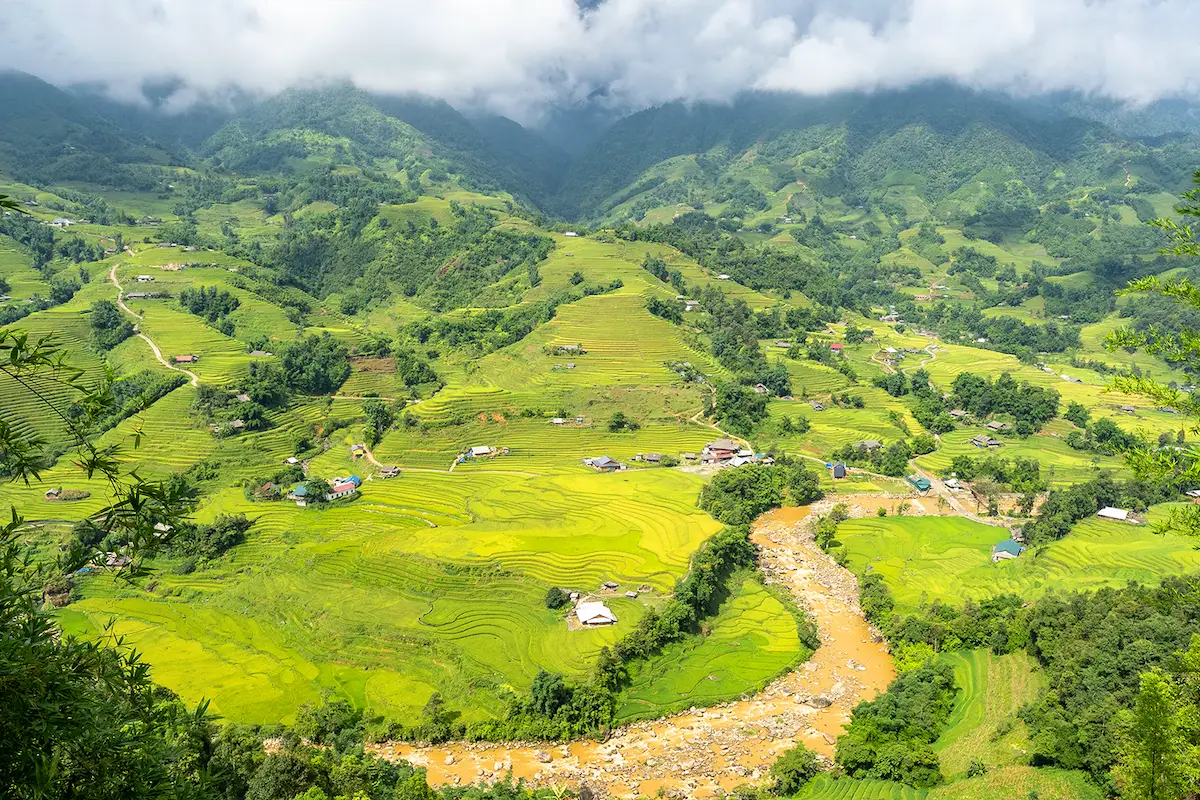
Sapa sits high above Vietnam’s Red River Delta, with terraced fields that reveal themselves as you wind through valleys. The area is home to several ethnic groups, including Hmong, Dao, and Giay, each with distinct dress, crafts and customs. For first-timers, the key is pacing: allow yourself time to acclimate to the cooler air, prepare for sudden changes in weather, and choose activities that match your fitness level and curiosity about rural life in the mountains.
In this guide you’ll find practical route ideas, seasonal planning tips, and etiquette advice to help you navigate Sapa’s trails, villages and hotel streets with confidence. You’ll also see how to blend trekking with time in Sapa town, markets, and viewpoints so your days feel complete rather than rushed.
Getting there and getting around: basics you can trust
Most international travelers arrive via Hanoi and then continue to Sapa by night train, sleeper bus, or a daytime bus service. Once in Sapa, your best mobility options are on foot for shorter treks or a short hop by motorbike taxi or organized transfer for longer stretches. If you hire a local guide for a day trek, you’ll often cover safer routes and gain context about village life, traditional homes, and farming practices along the terraces.
Because transport schedules can vary seasonally and with service changes, verify current options with your chosen operator or your hotel front desk closer to departure. If you’re traveling with a tour operator, they’ll typically arrange the overnight train or bus from Hanoi and provide a pickup in Lao Cai town before the transfer to Sapa.
Seasonal planning
In Sapa, weather shifts quickly. Spring (March–April) and autumn (late September–October) offer clearer skies and vibrant terraces. Summer can bring rain and mist that heightens greenery, while winter brings chilly nights and frosty mornings. Pack layers, a lightweight rain shell, and sturdy footwear suitable for uneven stone paths and muddy sections when needed.
Choosing treks and activities by fitness level
First-time visitors often want a mix of scenery, culture and a manageable walk. Here’s how to map activities to fitness and interest.
Easy options (1–2 hours, short routes)
Short village strolls and viewpoints close to Sapa town, such as a gentle walk around the valley rim or Cat Cat Village. These routes provide scenic payoff with minimal elevation gain and are suitable for most visitors, including uneven surface challenges. If you’re sensitive to altitude, listen to your body and don’t rush the pace.
Moderate treks (2–5 hours, longer terrain)
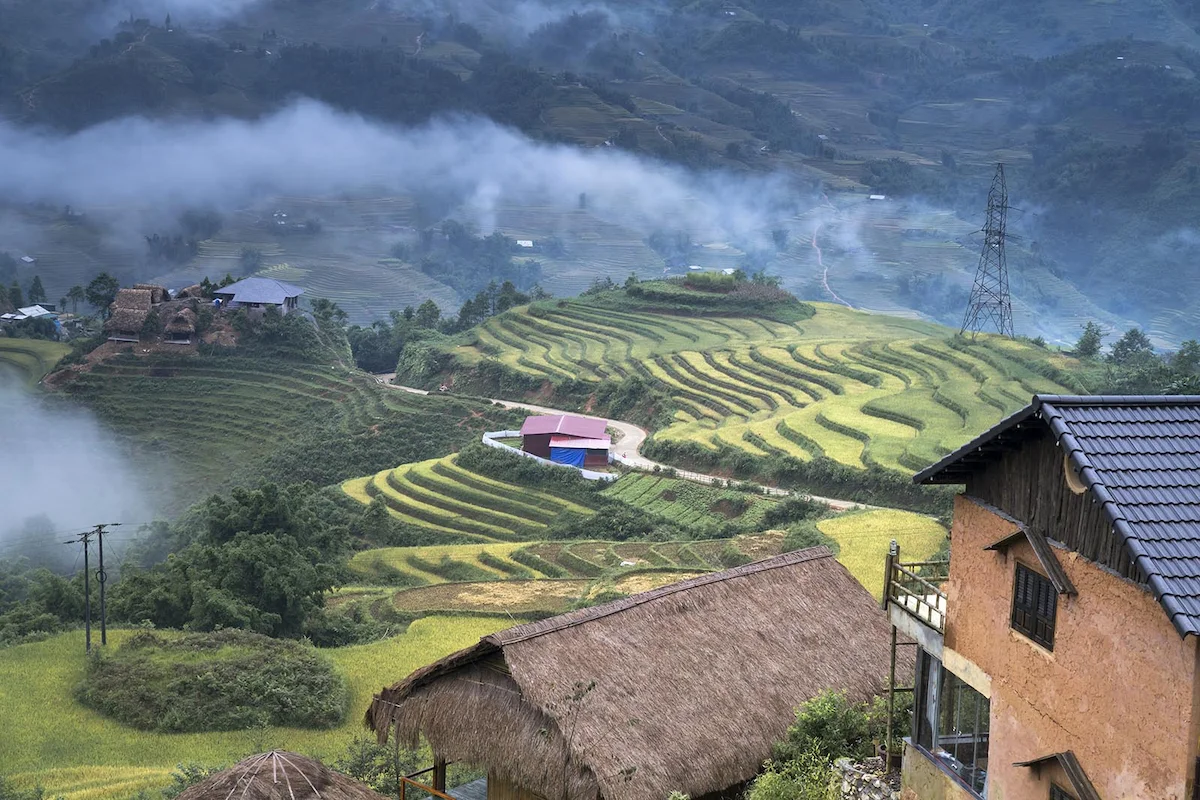
The classic Lao Chai–Ta Van trek is a favorite for first-timers. It typically covers terraced fields, river crossings, and village crossings over rolling terrain. Expect some uphill sections, but the route remains feasible for most hikers who have some experience walking off-road. Hiring a local guide can enrich the experience with cultural context and safety tips for paths that cross small streams or uneven ground.
If you prefer a more immersive experience than a single-day hike, consider this 2-day Sapa trekking tour with an overnight homestay in Ta Van. The itinerary takes you through scenic rice terraces and traditional villages, including Lao Chai and Ta Van, with an overnight homestay that gives you more time to experience local mountain life.
More challenging options (half-day to full-day, longer distances)
For more ambitious hikers, longer valley routes or a summit attempt via Fansipan (often accessed by cable car with a guided hike to the summit) can be included. Fansipan is a serious day hike when done as a full ascent and requires careful planning, good weather, and proper gear. If you’re new to highland trekking, consider a shorter alternative or an experienced guide’s advice before attempting steep ascents or long, exposed sections.
Respectful interaction with local culture and conditions
Village visits are a highlight of Sapa travel, but they’re also a chance to support communities ethically. Dress modestly, seek permission before photographing people or private homes, and hire local guides or porters when possible to ensure economic benefits stay with residents. If a village path looks muddy after rain, choose a wider, well-used route and give priority to residents who manage terraces and crops. Always carry a small amount of small-change cash to tip guides and cafe workers if you’re satisfied with their service.
Seasonal planning tips
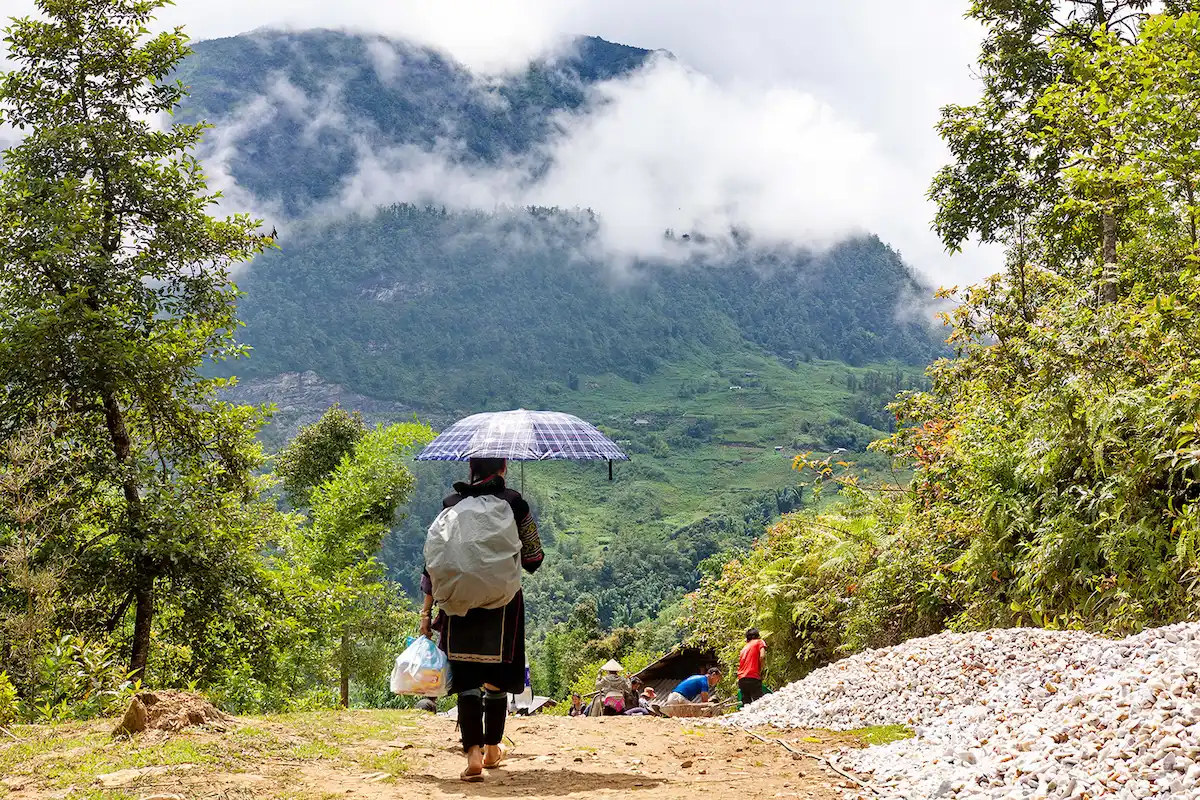
Spring and autumn offer the most comfortable trekking conditions. If you visit during the rainy season, factor in slower progress and extra wet-weather gear. Respect local harvest times and school holidays when villages see more foot traffic from visitors and locals alike.
Where to stay and how to base your days
In Sapa town, you’ll find a range of lodging from inexpensive guesthouses to mid-range hotels with terrace views. If you want deeper immersion, consider a homestay with a local family in a nearby hamlet. Homestays provide a window into daily life and can be a memorable part of your itinerary, but plan in advance and confirm meals and accommodation arrangements with your host or tour operator. For longer treks, staying overnight in a village can reduce travel time and allow you to pace your day better while giving you more opportunities to connect with locals.
Sample itineraries for first-timers: balancing scenery, trekking and town time
Below are two practical templates that accommodate different interests and fitness levels while ensuring you experience Sapa’s rice terraces, ethnic villages and mountain air. Each is designed for visitors with limited prior hiking experience and a desire to stay respectful to local communities.
Option A — Three days: gentle intro with a scenic trek
- Day 1: Arrive in Sapa in the morning or afternoon (depending on your Hanoi transfer). Check into your hotel and take a sunset stroll along the town’s plaza and lakeside paths. If energy allows, opt for a short loop to Cat Cat Village or a gentle viewpoint overlooking Muong Hoa valley. Overnight in Sapa town.
- Day 2: Lao Chai–Ta Van trekking with a local guide. The route weaves through rice terraces and passes a few minority houses. Expect 4–6 hours of light-to-moderate walking, with ample breaks for photos and to learn about farming and village life. Lunch could be arranged with your guide or at a village cafe. Return to Sapa town for dinner and a relaxed evening.
- Day 3: Morning optional easy trek or a visit to a local market (seasonal). Afternoon transfer back to Hanoi by overnight train or daytime bus, depending on your schedule.
Option B — Four days: added culture and a higher-level trek
- Day 1: Travel to Sapa, settling in, short sunset stroll in the town. Optional Cat Cat Village visit if you arrive early.
- Day 2: Lao Chai–Ta Van trek with a local guide; this is the core landscape experience with terraced fields and village life. Overnight in Sapa or in a village homestay if arranged.
- Day 3: Optional longer hike or a visit to nearby villages such as Ta Van or Su Pan. Alternatively, take a cable car up to Fansipan for a half-day excursion (return to Sapa in the afternoon). Overnight in Sapa.
- Day 4: Morning village visit or café time, then return to Hanoi or extend with a trip to Bac Ha or another nearby valley if you’re continuing your northern adventure.

Practical travel tips for first-time visitors
These reminders can help you prep for a smoother, more enjoyable trip.
- Hire a local guide for trekking days to learn about terraces and village life while supporting the local economy.
- Pack quick-dry layers, a hat, sunscreen, and a sturdy water bottle. A light rain shell is essential in the mountains.
- Wear comfortable trekking shoes with good grip; many paths are uneven, muddy, or rocky, especially after rain.
- Carry small change for tips and simple purchases at village stalls; many sellers work on a barter or cash basis.
- Respect property and privacy; ask before photographing people or inside private homes and farms.
Common-sense care and cultural respect
Engaging with local communities is the heart of Sapa. When visiting, speak gently, dress modestly, and avoid interrupting people’s daily work. In villages, you may see women weaving or selling crafts. If you decide to buy, do so with awareness of fair prices and avoid pressuring vendors. If a trek route passes through private fields, stay on marked paths and accept local guidance about when it’s appropriate to cross certain lines or crops.
Five frequently asked questions for this destination
Q1. How many days should I allow for Sapa if I want a good mix of trekking and town time?
A. A comfortable 3–4 days is ideal for first-time visitors to cover a scenic trek, some village visits, and time to wander Sapa town and markets. If you’re pressed for time, 2 days can still deliver a solid taste of the area with a shorter trek and a quick village stop.
Q2. Which activities suit different fitness levels?
A. Easy options include short village walks around Cat Cat or gentle viewpoints near town. Moderate treks like Lao Chai–Ta Van suit most first-timers with some hill work. For a challenge, consider longer valley routes or Fansipan access with a guide and proper conditioning.
Q3. What should travelers know about local culture and conditions?
A. Villages are living communities with active farm work and crafts. Always ask before photos, respect private paths, and consider hiring a local guide to ensure your visit benefits residents. Weather can change quickly in the highlands; layer up and pace your trek to avoid fatigue or altitude discomfort.
Q4. How should I plan transport from Hanoi?
A. Most travelers take a night train or overnight bus to Lao Cai, then transfer to Sapa. If you’re using a tour operator, they often arrange transport. Always reconfirm pickup points and timing close to your departure date.
Q5. Is a guided trek necessary for first-time visitors?
A. A guide is not strictly required, but it’s highly recommended for safety, navigation on hillside paths, and deeper cultural insight. Guides also support local communities with fair employment and direct economic benefits.
Final Thoughts on Your Sapa Trekking Itinerary
Sapa is an unforgettable destination for travelers who want to combine mountain trekking, breathtaking rice terraces, and authentic cultural experiences in northern Vietnam. With this sapa trekking and itinerary guide, first-time visitors can plan a balanced trip, choose routes that match their fitness levels, and make time to explore local villages such as Lao Chai and Ta Van. For the best experience, prepare for changing mountain weather, wear suitable trekking shoes, and respect local customs and communities along the way. Whether you spend two days or four days in Sapa, a well-planned itinerary will help you make the most of this beautiful mountain destination.
Note: This article provides practical planning guidance. Always verify transport and access details with your travel operator or accommodations before you travel, as schedules and access can change seasonally.