
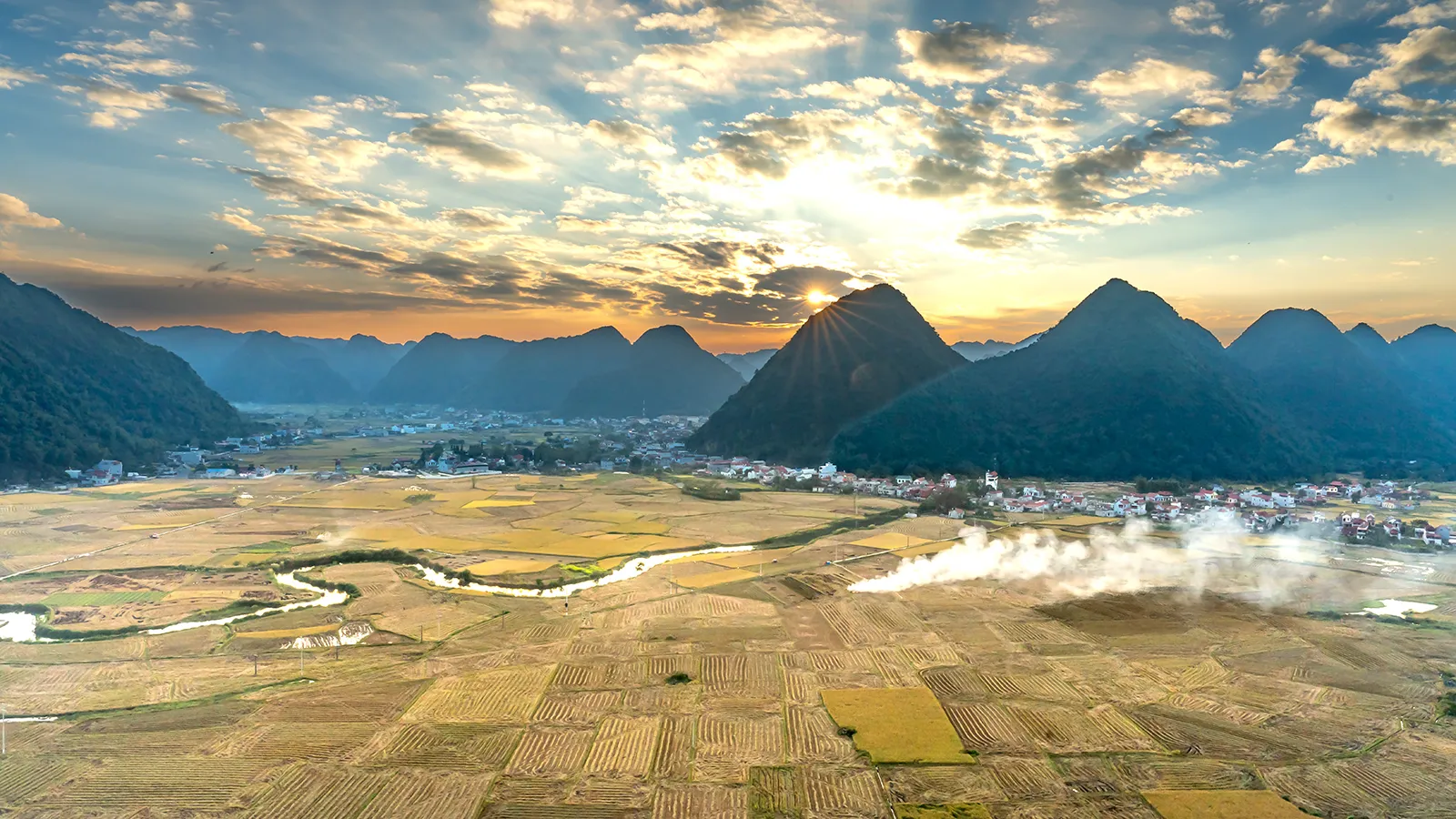
Vietnam is a country of remarkable diversity. Stretching over 1,650 kilometers (1,025 miles) from north to south, it offers everything from misty mountain landscapes and emerald rice terraces to tropical islands and world-famous beaches. Because of this unique geography, there is no single “perfect” time to visit the entire country.
The best time to visit Vietnam depends on where you plan to go and what kind of experience you’re looking for. While northern Vietnam experiences four distinct seasons, central Vietnam follows a different weather pattern, and the south enjoys a tropical climate with only wet and dry seasons.
Whether you’re dreaming of cruising through Halong Bay, cycling across the peaceful countryside of Ninh Binh, exploring the lantern-lit streets of Hoi An, or relaxing on the white-sand beaches of Phu Quoc, understanding Vietnam weather will help you plan a smoother and more enjoyable journey.
In this comprehensive Vietnam travel guide, you’ll discover the ideal months to visit each region, learn what weather to expect throughout the year, and find practical travel tips to help you make the most of your Vietnam itinerary.
Best Time to Visit Vietnam at a Glance
If you’re wondering about the best time to visit Vietnam, the answer is generally March to April and September to November. During these periods, much of the country enjoys pleasant temperatures, lower humidity, and comfortable conditions for sightseeing and outdoor activities.
However, because Vietnam stretches across several climate zones, each region has its own ideal travel season:
- Northern Vietnam: March to May and September to November
- Central Vietnam: February to August
- Southern Vietnam: December to April
Choosing the right travel season allows you to enjoy spectacular scenery, cultural festivals, outdoor adventures, and more reliable transportation while avoiding periods of heavy rain or typhoons.
Why Timing Matters When Visiting Vietnam
Many first-time visitors assume the weather is the same throughout Vietnam. In reality, the country’s long coastline and diverse geography create three very different climate regions.
On the same day, travelers may enjoy clear blue skies in Ho Chi Minh City while Hanoi experiences cool drizzle and central Vietnam receives tropical rain showers. Understanding these regional differences is one of the most important parts of planning a successful Vietnam travel experience.
Choosing the right season helps you:
- Enjoy more comfortable weather for sightseeing.
- Avoid heavy rainfall and typhoon seasons.
- Save money by traveling during shoulder seasons.
- Capture better photographs under clearer skies.
- Enjoy outdoor activities such as hiking, cycling, kayaking, and cruising.
- Experience traditional festivals and local culture at their best.
Travel timing also affects accommodation prices and flight availability. Peak tourist seasons often bring higher prices, while shoulder seasons provide an excellent balance between pleasant weather and better value.
Travel Tip: If you’re planning a two- or three-week journey covering the entire country, March and April generally provide the most balanced weather from north to south.
Understanding Vietnam’s Three Climate Regions
Unlike many destinations where one weather forecast applies nationwide, Vietnam weather varies significantly depending on the region. Understanding these differences will help you decide where to go and when.
Northern Vietnam
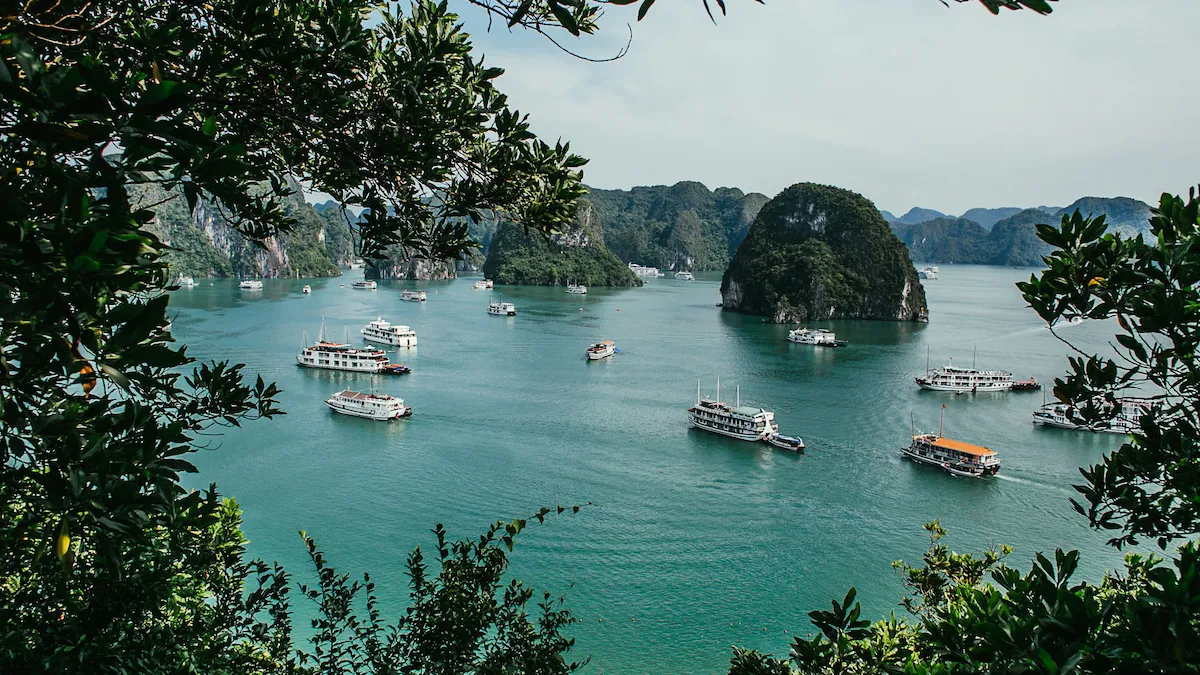
Major destinations include:
- Hanoi
- Halong Bay
- Ninh Binh
- Sapa
- Ha Giang
- Cao Bang
Northern Vietnam experiences four distinct seasons.
Spring brings blooming flowers, fresh greenery, and pleasant temperatures. Summer is hot and humid with occasional heavy rainfall. Autumn is widely regarded as the most beautiful season thanks to its comfortable weather and blue skies, while winter can become surprisingly chilly, especially in mountainous areas where temperatures occasionally approach freezing.
This region is perfect for travelers interested in:
- spectacular mountain scenery
- rice terraces
- cultural villages
- limestone landscapes
- UNESCO World Heritage Sites
- photography
Many experienced travelers consider Northern Vietnam the country’s most diverse region because it combines vibrant cities, dramatic landscapes, rich history, and authentic local culture.
Central Vietnam
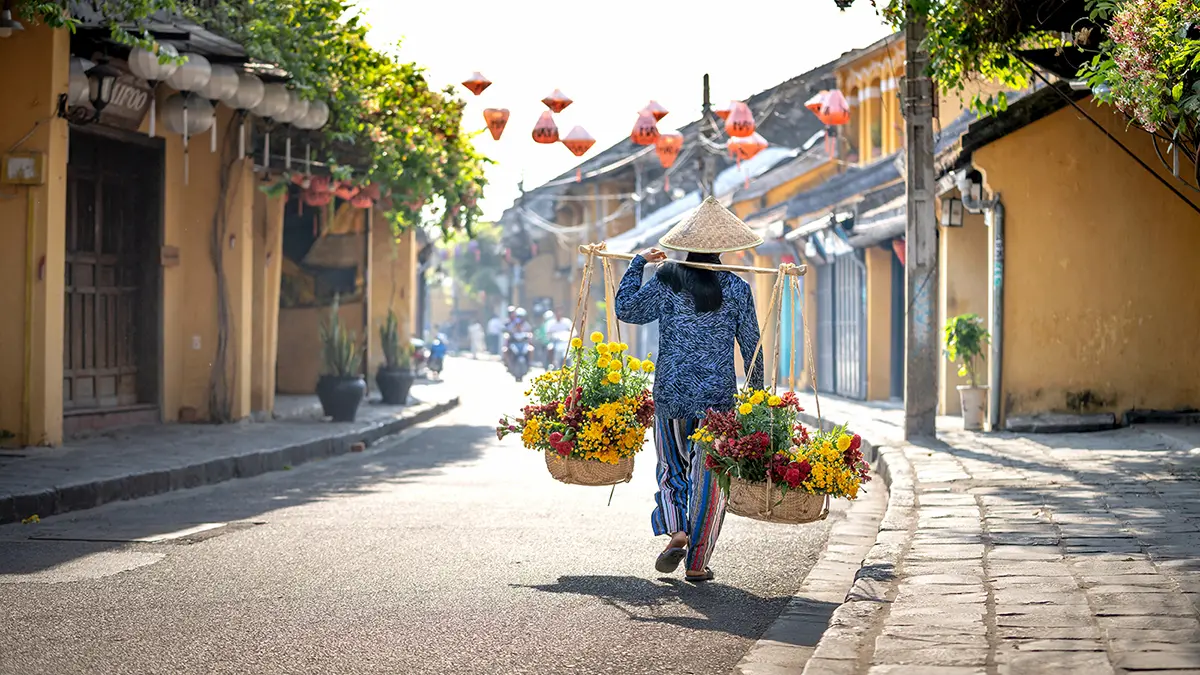
Major destinations include:
- Hue
- Da Nang
- Hoi An
- Phong Nha
- Quy Nhon
- Nha Trang
Central Vietnam follows a completely different rainfall pattern from the north.
Instead of receiving most rainfall during summer, this region typically experiences its wettest months between September and November. The dry season lasts much longer, making it one of the best areas in the country for beach holidays and cultural exploration.
Visitors come here to enjoy:
- UNESCO World Heritage Sites
- beautiful beaches
- imperial history
- spectacular caves
- fresh seafood
- luxury seaside resorts
Because temperatures remain warm for much of the year, central Vietnam is particularly popular with families, honeymooners, and beach lovers.
Southern Vietnam
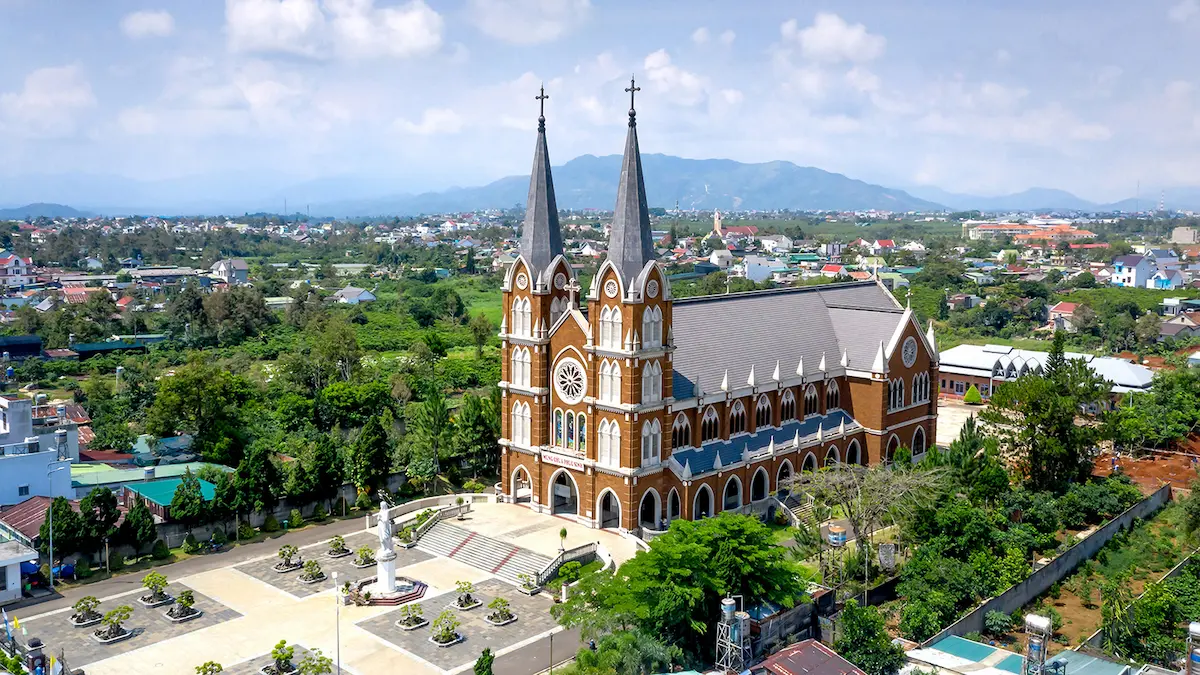
Major destinations include:
- Ho Chi Minh City
- Mekong Delta
- Phu Quoc
- Con Dao
- Vung Tau
Southern Vietnam has a tropical climate with only two primary seasons:
- Dry Season (approximately December to April)
- Rainy Season (approximately May to November)
Even during the rainy season, showers usually occur in the late afternoon and rarely last all day. This means travelers still have plenty of opportunities for sightseeing and outdoor activities.
Southern Vietnam attracts visitors looking for:
- vibrant city life
- floating markets
- tropical islands
- fresh seafood
- year-round warm weather
It is also one of the most popular winter destinations for travelers escaping colder climates in Europe and North America.
Local Insight: While many visitors focus on Vietnam’s famous beaches, the Mekong Delta offers one of Southeast Asia’s most authentic cultural experiences, where daily life revolves around rivers, canals, fruit orchards, and colorful floating markets.
Best Time to Visit Northern Vietnam
For many international travelers, Northern Vietnam represents the highlight of any Vietnam tour. This fascinating region combines breathtaking natural scenery, vibrant cities, ancient history, and unique cultural traditions.
Because the climate changes dramatically throughout the year, every season offers a different experience.
March to May (Spring) – Highly Recommended
Spring is widely considered one of the best times to visit Vietnam, especially for exploring the north.
During these months, visitors can expect:
- Comfortable temperatures between 20°C and 28°C (68°F–82°F)
- Fresh green landscapes
- Blooming flowers
- Pleasant sunshine
- Excellent conditions for outdoor adventures
Spring is the perfect season to:
- Cruise through the limestone islands of Halong Bay
- Take a peaceful sampan ride in Ninh Binh
- Wander around Hanoi’s Old Quarter
- Visit temples and ancient pagodas
- Hike in Sapa before the summer rains arrive
Photographers particularly appreciate the soft morning light and fresh greenery that make many of northern Vietnam’s landscapes especially beautiful.
June to August (Summer)
Summer is characterized by higher temperatures, increased humidity, and frequent afternoon showers.
Although many travelers avoid this period, it also offers several advantages.
You’ll experience:
- Vibrant green rice fields
- Fewer international tourists
- Lower hotel prices
- Dramatic cloud formations that create stunning landscapes
Occasional tropical storms may temporarily affect cruises in Halong Bay, so travelers should allow some flexibility in their itineraries.
September to November (Autumn) – The Most Beautiful Season
Many locals consider autumn the finest season in northern Vietnam.
The weather becomes cooler and much drier, creating ideal conditions for sightseeing, road trips, and photography.
Highlights include:
- Comfortable daytime temperatures
- Low humidity
- Blue skies
- Golden rice terraces in the mountains
- Excellent visibility across the region
Autumn is also the perfect season for exploring Ha Giang, trekking through Sapa, or enjoying the peaceful rivers and limestone landscapes of Ninh Binh.
Photography Tip: If you’re planning to photograph rice terraces in Sapa or Ha Giang, late September and early October usually offer the most spectacular golden landscapes of the year.