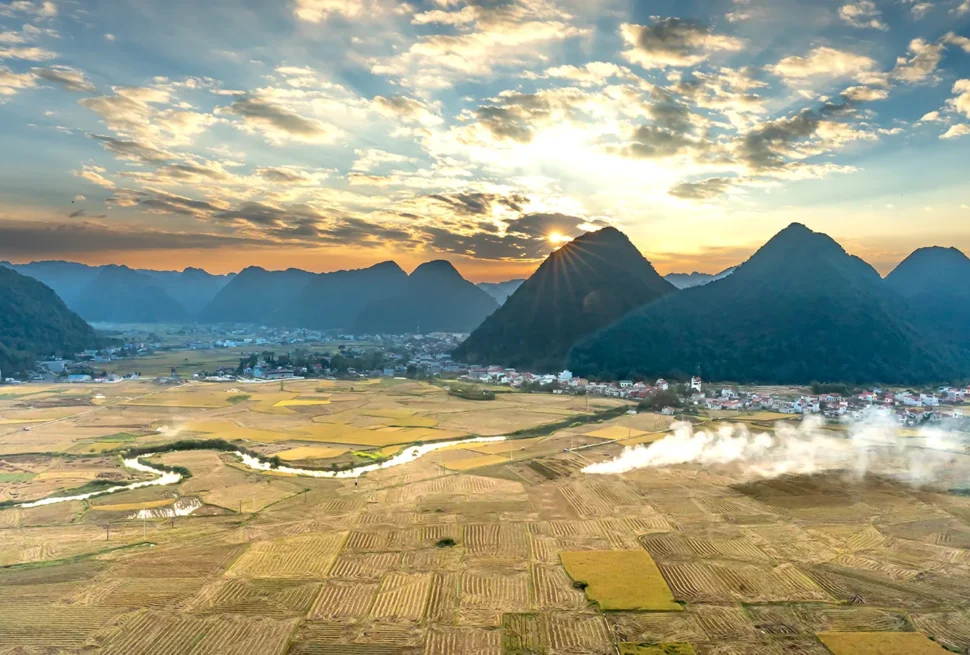

From Hanoi’s historic streets and Ha Long Bay’s limestone seascape to Hoi An’s lantern-lit evenings, Da Lat’s cool highlands, the Mekong Delta and Vietnam’s southern islands, this guide brings 21 contrasting destinations into one practical journey.
Planning a Vietnam trip for 2027? This guide connects 21 destinations across Northern, Central and Southern Vietnam, helping you build an itinerary around your interests, available time and preferred travel pace.
Vietnam changes dramatically as you travel from north to south. For travelers researching the best places to visit in Vietnam, that variety is part of the appeal: Hanoi introduces the country’s food, history and everyday urban life; Northern Vietnam opens into limestone bays, islands, rice terraces and remote mountain roads; farther south, caves and imperial heritage lead into historic towns, beaches, highlands, a river-shaped countryside and tropical islands.
That variety is the real advantage of planning a Vietnam itinerary for 2027. You can make the trip intensely cultural, strongly focused on nature and adventure, built around beaches and relaxation, or combine several styles into one longer journey.
The 21 destinations below are building blocks rather than a checklist, covering first-time highlights, trekking, road travel, food, scenery and island life.
Best Places to Visit in Vietnam in 2027: At a Glance
Use this overview to see the role each destination can play in your route before reading the detailed sections.
| Destination | Best For | Suggested Time |
|---|---|---|
| Hanoi | Culture · Food · Coffee | 2–3 days |
| Ha Long Bay | Cruises · Scenery | 1–2 nights |
| Cat Ba | Nature · Kayaking · Hiking | 2–3 days |
| Sapa | Trekking · Rice Terraces | 2–3 days |
| Mu Cang Chai | Photography · Road Trips | 1–2 days |
| Ha Giang | Adventure · Mountain Roads | 3–4 days |
| Cao Bang | Waterfalls · Caves · Nature | 2–3 days |
| Pu Luong | Slow Travel · Hiking | 2 days |
| Ninh Binh | Landscapes · Boat Trips · Cycling | 2–3 days |
| Phong Nha | Caves · Adventure · Nature | 2–3 days |
| Hue | History · Heritage · Food | 1–2 days |
| Da Nang | Beaches · Food · Day Trips | 2–3 days |
| Hoi An | Heritage · Food · Atmosphere | 2–3 days |
| Nha Trang | Beach · Islands · Water Activities | 2–3 days |
| Ninh Thuan | Coast · Vineyards · Photography | 2 days |
| Mui Ne | Sand Dunes · Beach · Photography | 2–3 days |
| Da Lat | Coffee · Highlands · Nature | 2–3 days |
| Ho Chi Minh City | Food · History · City Life | 2–3 days |
| Mekong Delta | Rivers · Villages · Local Life | 1–2 days |
| Phu Quoc | Beaches · Island Life · Relaxation | 3–4 days |
| Con Dao | Nature · History · Tranquility | 2–3 days |
1. Hanoi: The Cultural Gateway to Northern Vietnam
Best for: Culture, food, coffee and first-time visitors
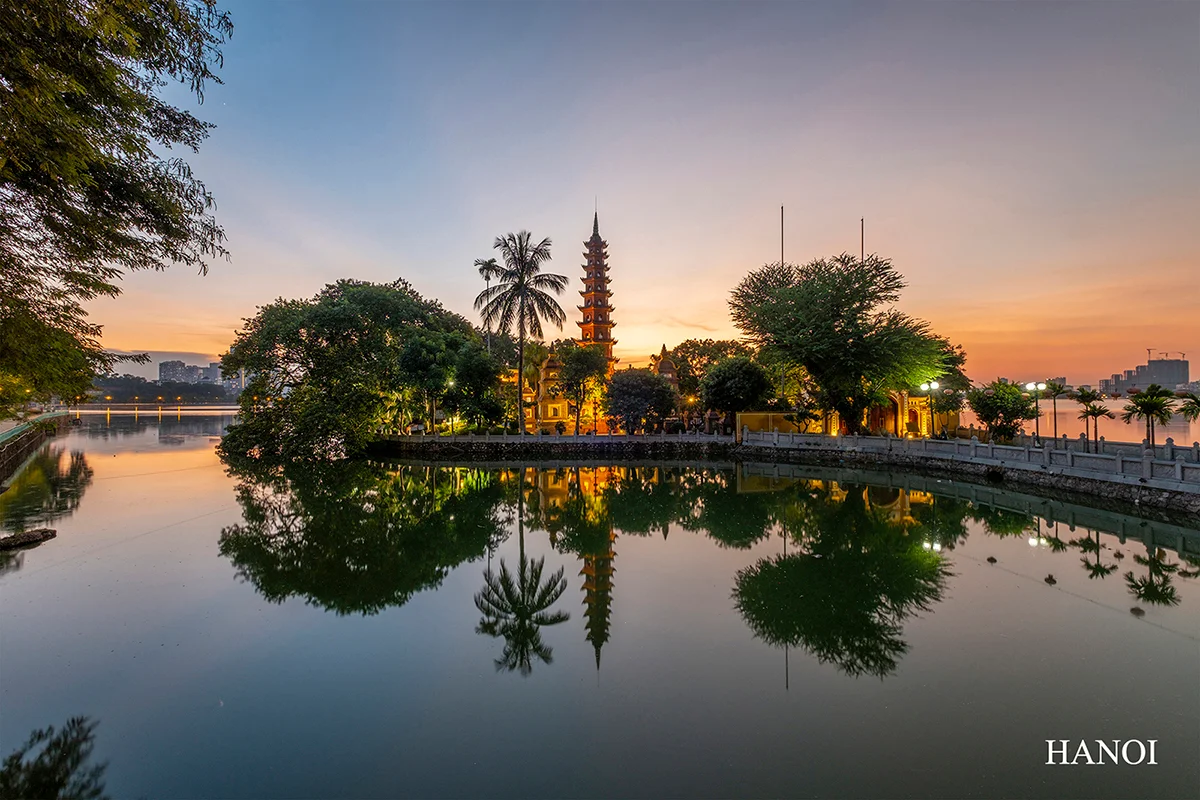
Hanoi is more than a convenient starting point. Ancient traditions, French-influenced architecture, lakes, markets, cafés and modern urban life exist side by side, giving the capital a character that reveals itself gradually.
The Old Quarter is especially rewarding on foot, while museums, temples and historic sites add context. Just as importantly, Hanoi is the natural gateway to many of Northern Vietnam’s major journeys.
Travel idea: Give Hanoi enough time to settle into its rhythm before moving into the countryside or mountains.
Recommended stay: 2–3 days | Best for: Culture | Combine with: Ninh Binh · Ha Long Bay
2. Ha Long Bay: Wake Up Among Limestone Islands
Best for: Cruises, scenery and unforgettable landscapes
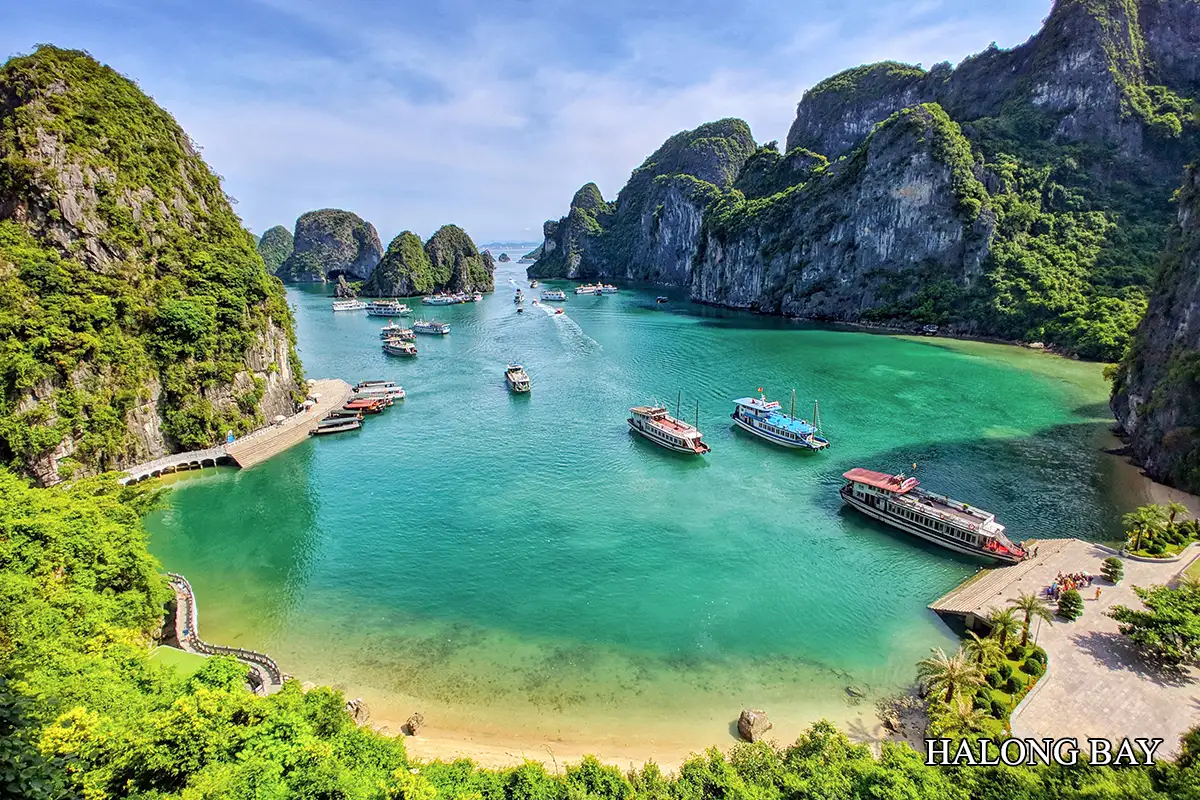
Few Vietnamese landscapes are as recognizable as Ha Long Bay. Limestone islands and dramatic rock formations rise from the sea, creating a setting that has become one of the country’s defining images.
Depending on the itinerary, experiences can include kayaking, cave visits, swimming, seafood meals and sunrise activities. The UNESCO World Heritage property is officially known as Ha Long Bay – Cat Ba Archipelago, following the approved 2023 expansion.
Why it stands out: A cruise lets you experience the bay from the water rather than simply viewing it from shore, with changing light, islands, caves and quiet mornings shaping the journey.
Recommended stay: 1–2 nights | Best for: Cruises | Combine with: Hanoi · Ninh Binh · Cat Ba
3. Cat Ba Island: Where the Bay Meets the Mountains
Best for: Nature, kayaking, hiking and island life
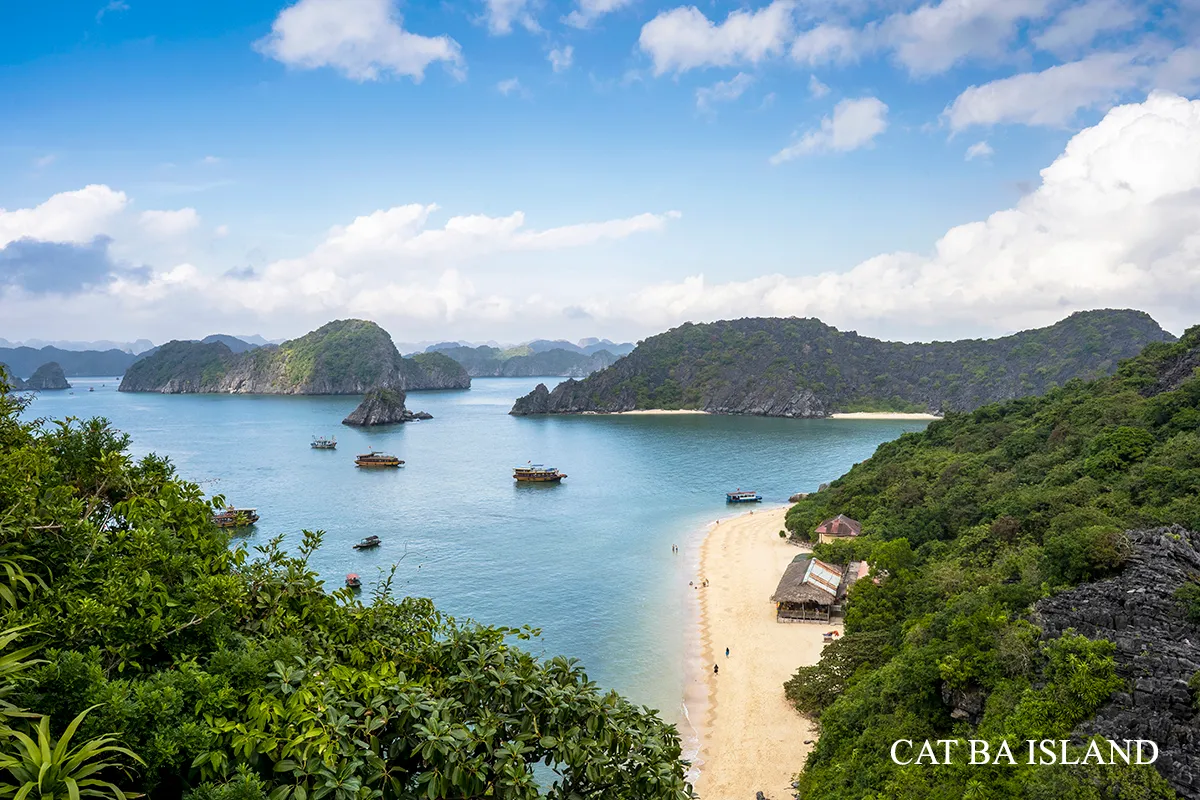
Cat Ba offers another way to experience Northern Vietnam’s island and bay landscapes. Forested mountains, beaches, fishing communities and surrounding limestone islands create a mix of land and water experiences.
Cat Ba and Ha Long Bay can complement one another. One gives you the classic bay cruise experience; the other gives you more time on an island with hiking, kayaking and a different pace.
Travel idea: Pair Cat Ba with a Ha Long Bay cruise when you want both time on the water and time exploring the island itself.
Recommended stay: 2–3 days | Best for: Nature | Combine with: Ha Long Bay · Hanoi
4. Sapa: Rice Terraces Beneath the Hoang Lien Mountains
Best for: Trekking, villages, mountain scenery and photography
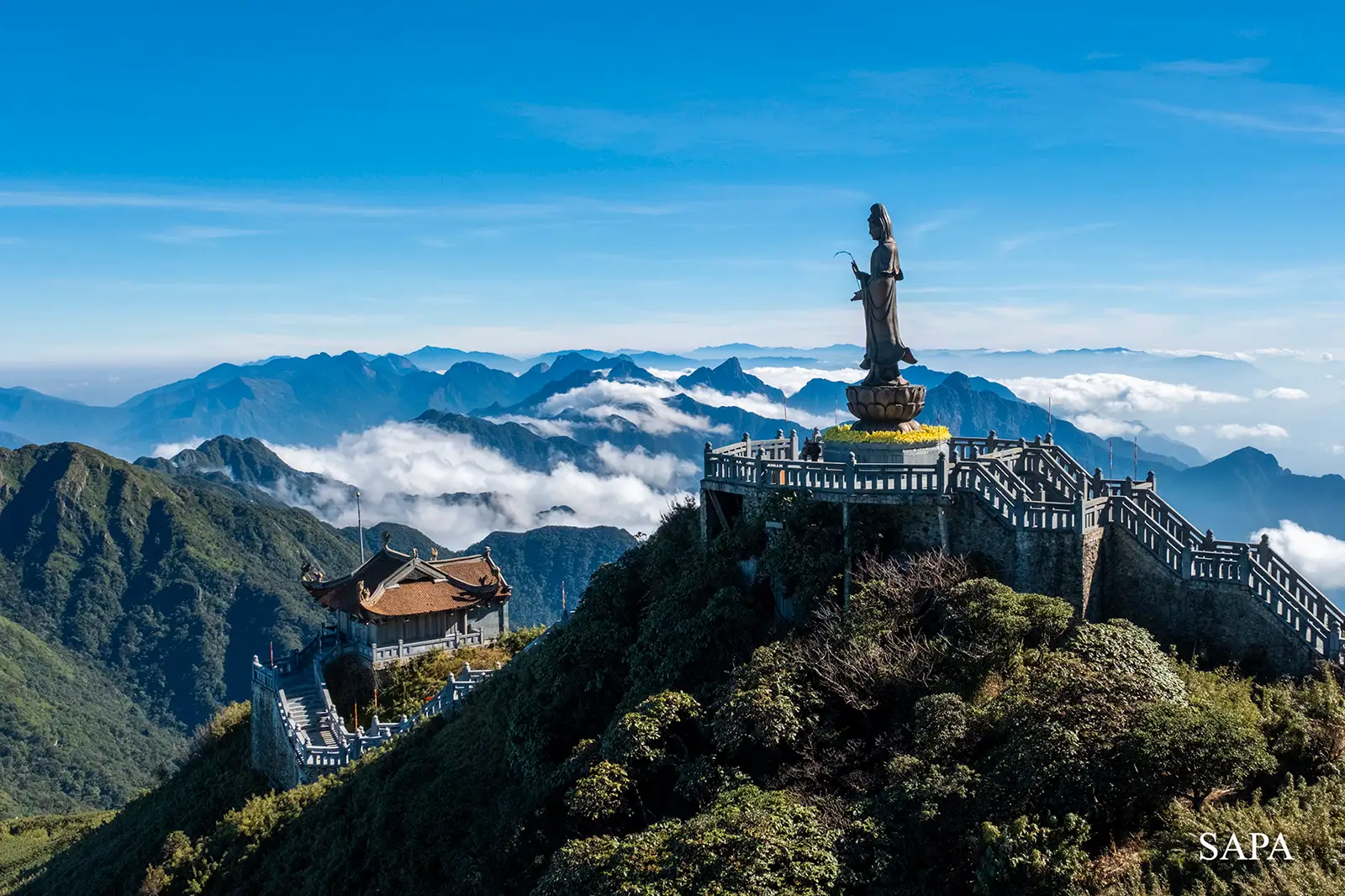
Sapa is defined by terraced rice fields, deep valleys, mountain villages and the Hoang Lien Son range. The destination offers a clear contrast with the cities and lowland landscapes of Northern Vietnam.
Fansipan adds another major attraction for travelers interested in highland scenery. Because the terraces and mountains change with agricultural and weather conditions, travelers focused on photography should choose dates carefully.
Good to know: Sapa is especially rewarding when the itinerary leaves room for walking rather than treating the destination as a quick mountain stop.
Recommended stay: 2–3 days | Best for: Trekking | Combine with: Hanoi · Mu Cang Chai
5. Mu Cang Chai: Vietnam’s Rice Terrace Country
Best for: Photography, road journeys and dramatic landscapes
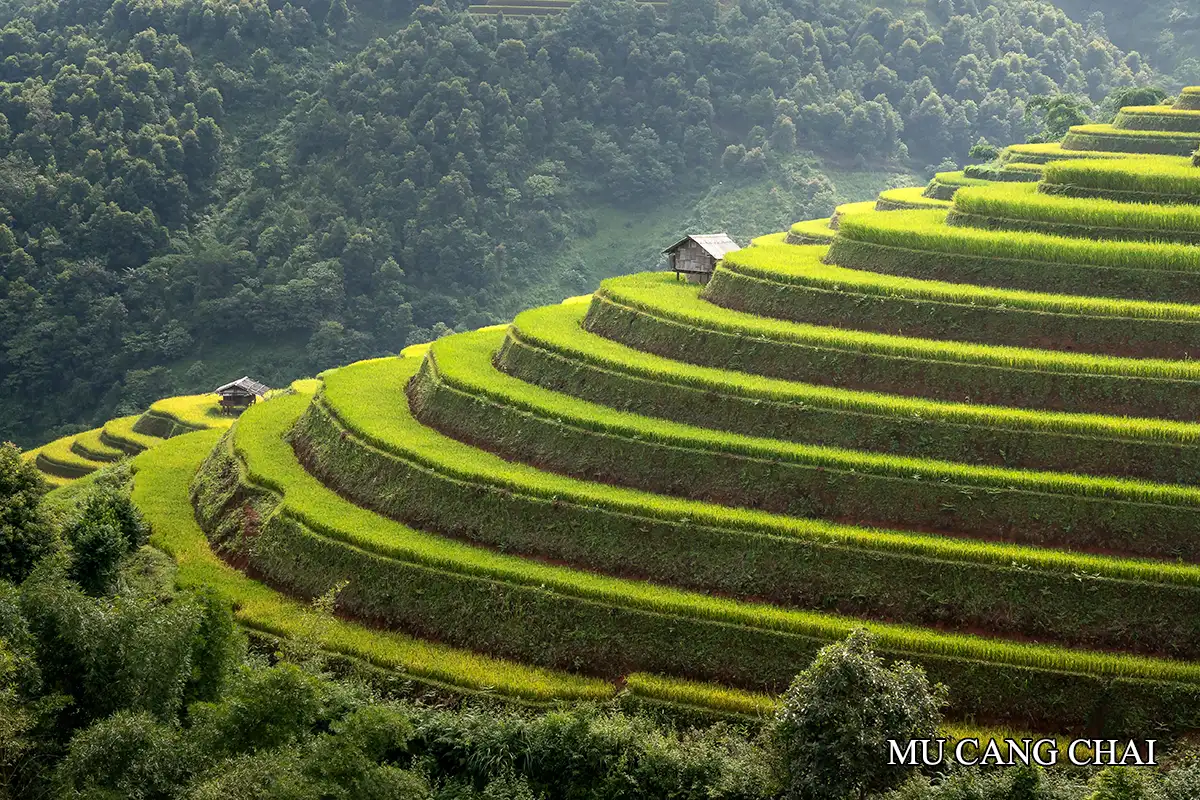
Mu Cang Chai is the kind of destination where the road journey becomes part of the experience. Vast rice terraces curve across steep mountain slopes and create one of Northern Vietnam’s most distinctive rural landscapes.
The focus here is less on a long list of attractions and more on winding roads, mountain views, villages and the agricultural landscape itself.
Why visit: It gives travelers who already know the classic Hanoi–Ha Long Bay route a more remote and rural side of Northern Vietnam.
Recommended stay: 1–2 days | Best for: Photography | Combine with: Sapa · Ha Giang
6. Ha Giang: Northern Vietnam’s Great Road Adventure
Best for: Adventure, mountain roads and photography
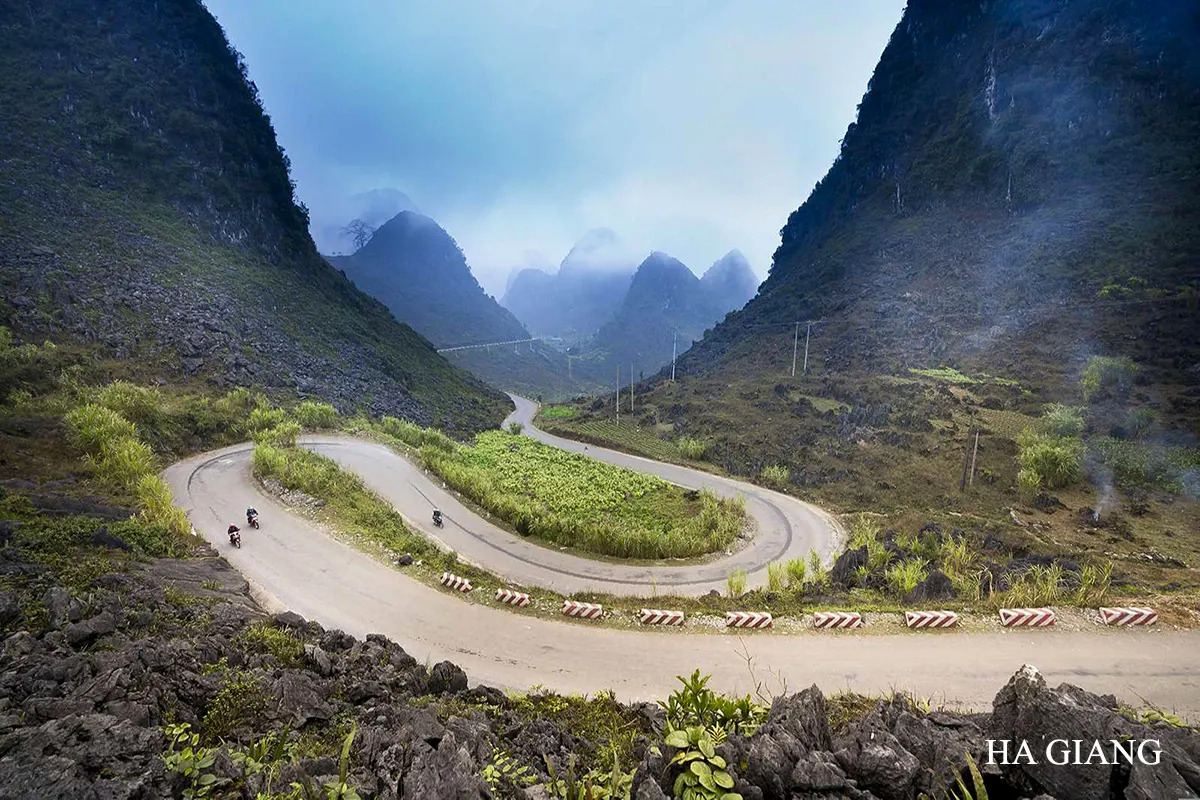
Ha Giang is for travelers who want the journey itself to become part of the experience. Limestone mountains, deep valleys, winding roads and remote communities define the province.
Ha Giang is best approached as a multi-day journey. Instead of moving quickly between individual attractions, travelers spend much of the day watching the landscape change around them.
The Ha Giang mindset: In Ha Giang, the road is not merely the way to the destination. The road is the experience.
Recommended stay: 3–4 days | Best for: Adventure | Combine with: Cao Bang · Hanoi
7. Cao Bang: Waterfalls, Caves and Remote Landscapes
Best for: Waterfalls, caves, nature and photography
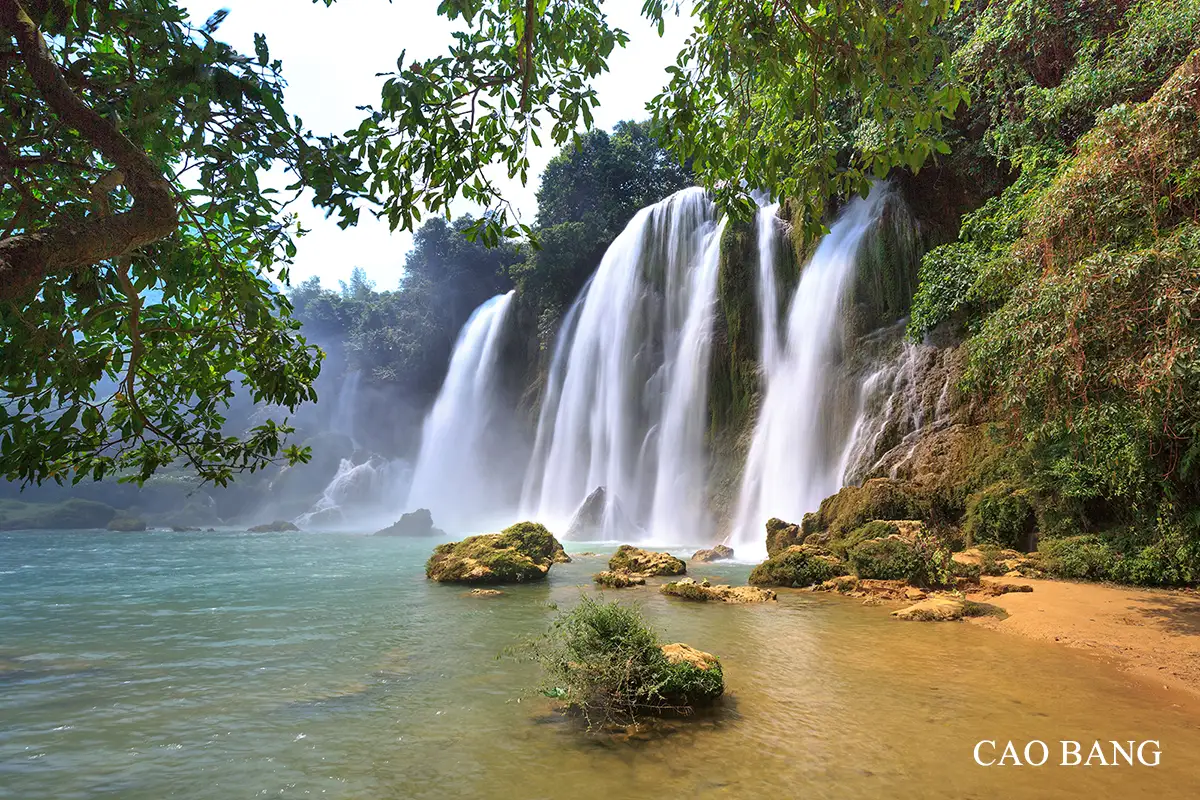
Cao Bang is an appealing choice for travelers willing to go farther beyond Vietnam’s most familiar northern routes. The province combines dramatic natural scenery with a quieter sense of exploration.
If Ha Giang is strongly associated with mountain roads and passes, Cao Bang offers a different mix of waterfalls, caves and river landscapes. That makes it a natural extension for a deeper northern journey.
Why go farther north?: Cao Bang combines major natural attractions with quieter roads and a stronger sense of exploration.
Recommended stay: 2–3 days | Best for: Waterfalls | Combine with: Ha Giang · Hanoi
8. Pu Luong: Slow Down in the Mountains
Best for: Rural life, hiking, couples and slow travel
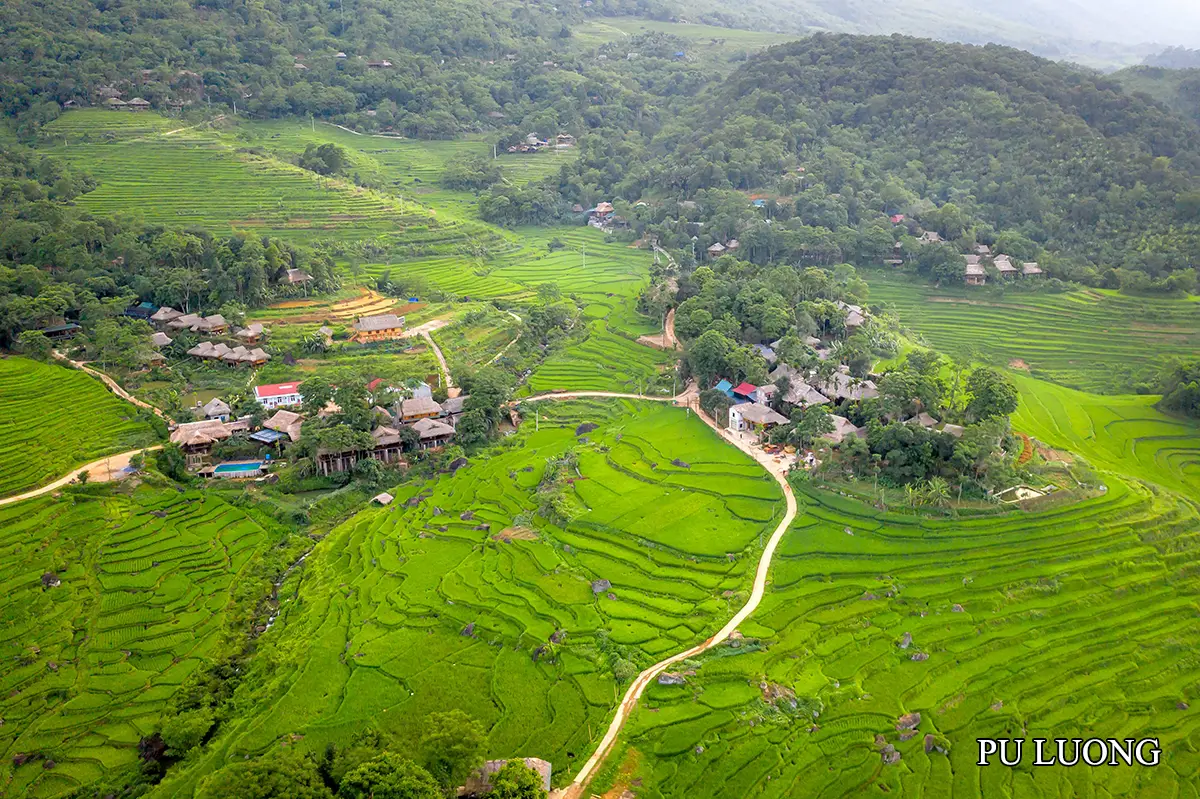
Pu Luong offers something increasingly valuable in modern travel: time and space. Instead of moving from one landmark to another, the destination encourages travelers to enjoy the countryside itself.
Pu Luong works especially well as the relaxed chapter of a Northern Vietnam itinerary, particularly for travelers who want rural experiences without committing to a longer road adventure such as the Ha Giang Loop.
Good to know: Pu Luong is less about famous monuments and more about walking, scenery, village life and enjoying the countryside at a slower pace.
Recommended stay: 2 days | Best for: Rural life | Combine with: Hanoi · Ninh Binh
9. Ninh Binh: Limestone Mountains, Rivers and Rural Vietnam
Best for: Landscapes, boat trips, cycling and culture
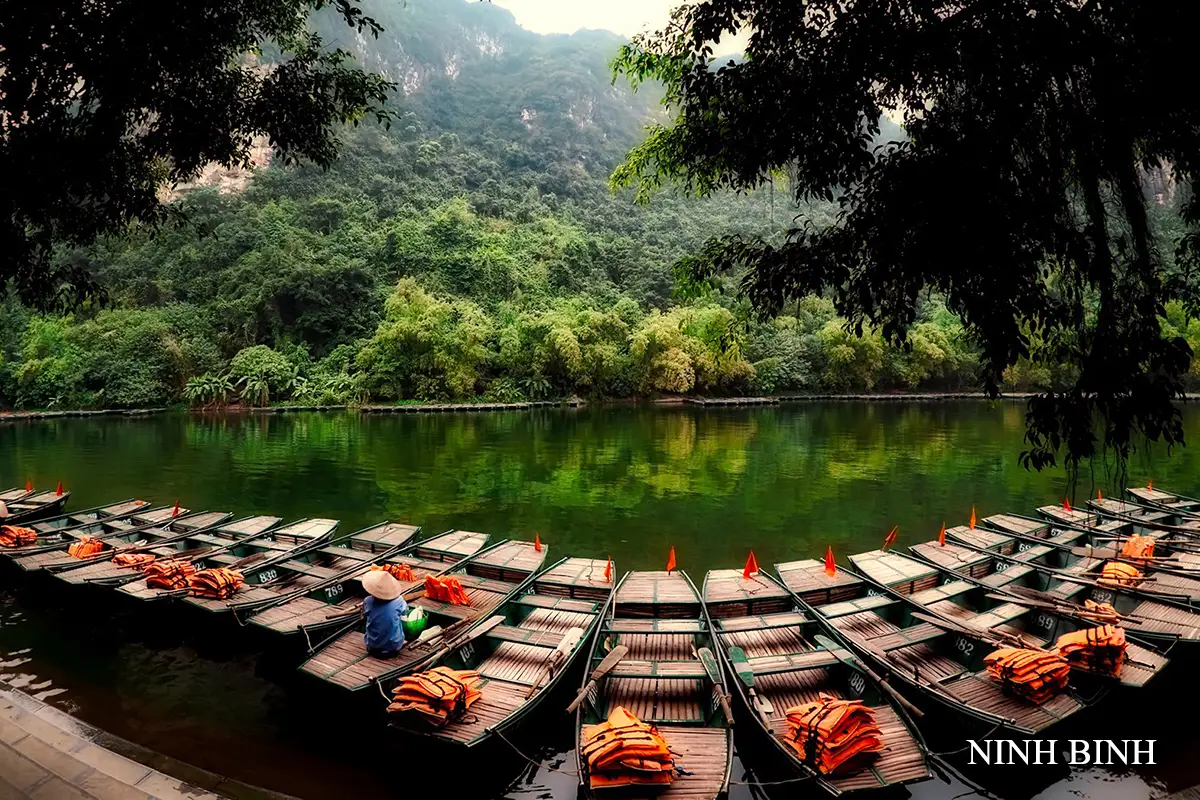
Ninh Binh is one of the most visually impressive destinations in Northern Vietnam. Limestone mountains rise dramatically from rivers, rice fields and rural landscapes, creating scenery that feels almost cinematic.
For travelers arriving from Hanoi, Ninh Binh is one of the easiest places to combine with other major northern destinations. An overnight stay also gives you more time for early mornings, quieter roads and different perspectives on the karst landscape.
Why stay overnight?: A day trip can cover major highlights, but staying longer allows more time for countryside cycling, quieter hours and a less rushed experience.
Recommended stay: 2–3 days | Best for: Landscapes | Combine with: Hanoi · Ha Long Bay
From Northern Landscapes to Central Vietnam
After the limestone scenery and mountain roads of the north, the journey changes character. Central Vietnam brings caves, imperial heritage, beaches, historic streets and a more coastal rhythm.
10. Phong Nha: Go Underground in Vietnam
Best for: Caves, adventure, jungle landscapes, nature and active travel
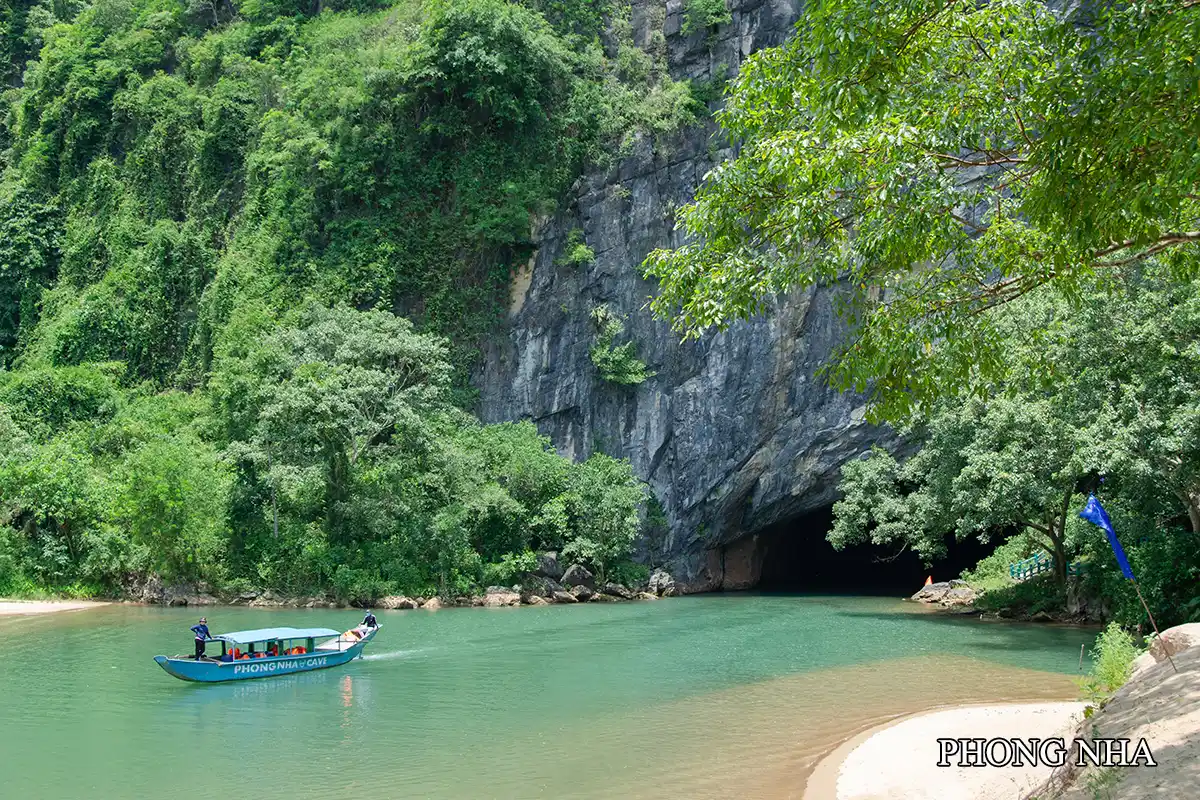
Phong Nha can completely change your perception of Vietnam. Instead of beaches, historic towns or busy city streets, the landscape revolves around caves, rivers, forests and limestone formations.
The landscape above ground deserves equal attention. Rural roads, rice fields, rivers and karst mountains create opportunities for cycling, photography and slower exploration between cave visits.
Why add Phong Nha?: It adds an adventurous dimension to a Central Vietnam itinerary and offers a very different experience from conventional sightseeing.
Recommended stay: 2–3 days | Best for: Caves | Combine with: Hue · Da Nang
11. Hue: Vietnam’s Imperial Story
Best for: History, architecture, heritage and Central Vietnamese cuisine
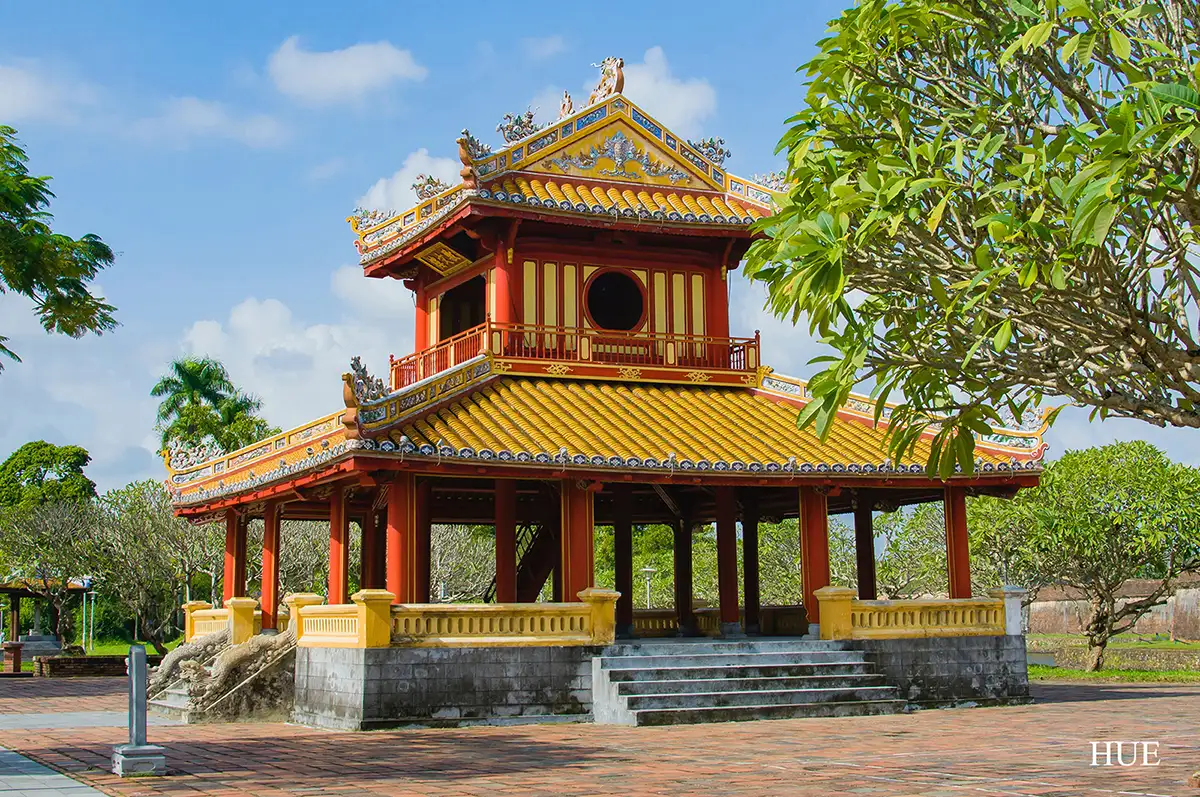
Hue invites travelers to slow down. Once the imperial capital, the city remains closely connected with royal history and one of Vietnam’s richest heritage traditions.
Food is another important part of the experience, from refined preparations associated with the imperial court to everyday Central Vietnamese specialties. For travelers interested in culture and history, Hue provides essential context.
Travel idea: Combine Hue with Da Nang and Hoi An for a compact Central Vietnam journey covering imperial history, beaches, food and heritage.
Recommended stay: 1–2 days | Best for: History | Combine with: Da Nang · Hoi An
12. Da Nang: A Destination to Watch in Vietnam in 2027
Best for: Beaches, food, mountains, city life and easy Central Vietnam day trips
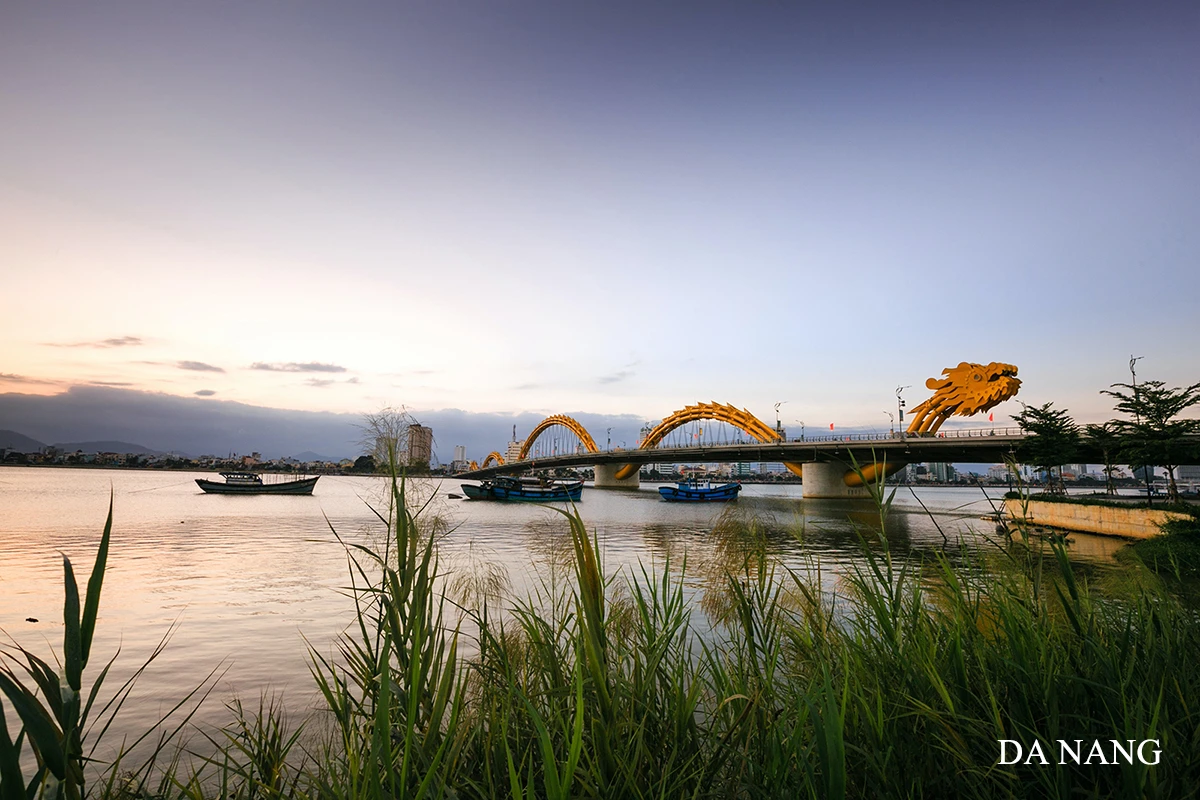
Da Nang deserves particular attention when planning a Vietnam trip in 2027. The destination is highlighted in the source guide for its laid-back beaches, Son Tra Peninsula, food and access to heritage experiences.
Son Tra Peninsula adds a natural contrast to the urban coastline, while the Marble Mountains introduce caves, viewpoints and religious sites. Da Nang is also a useful base for Hue, Hoi An and My Son.
Why it matters for 2027: Da Nang brings together beach time, city convenience, nature and access to several of Central Vietnam’s major cultural destinations.
Recommended stay: 2–3 days | Best for: Beaches | Combine with: Hue · Hoi An
13. Hoi An: Where History Meets Everyday Life
Best for: Heritage, food, photography, couples and slow travel
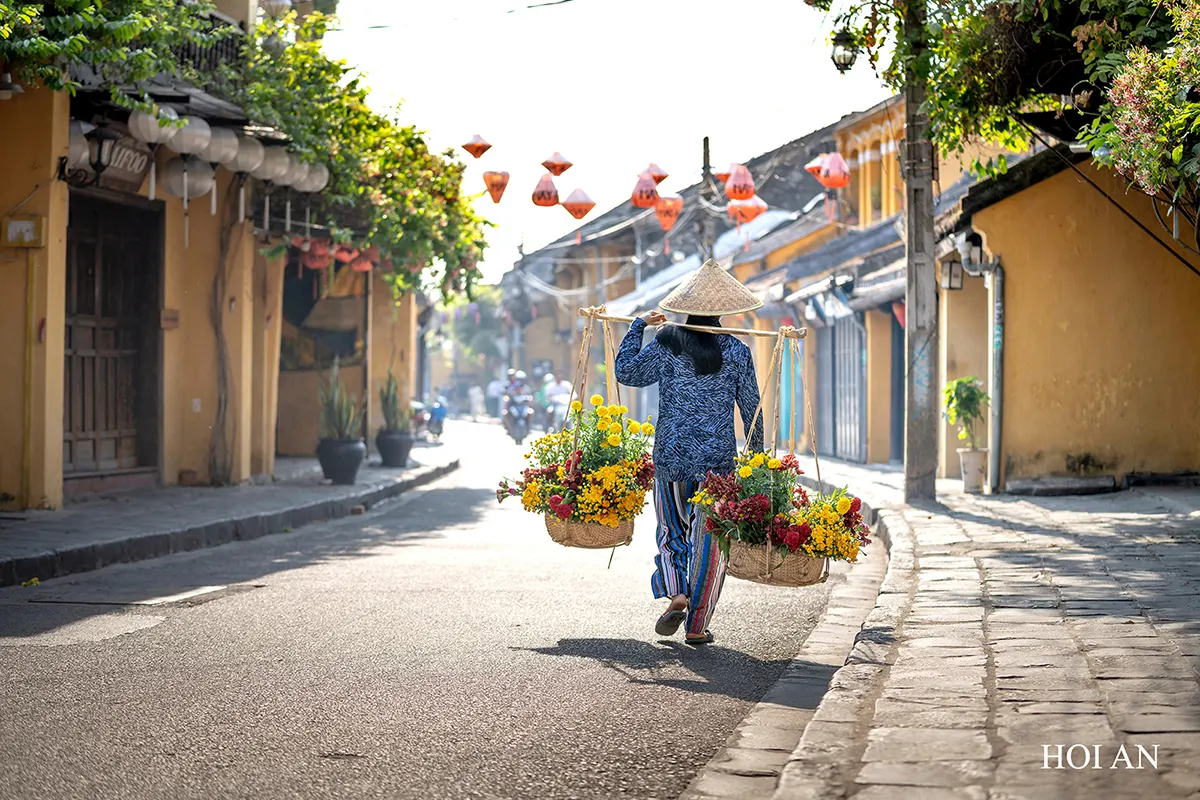
Hoi An is a destination that can make travelers forget about the itinerary. Its historic streets invite you to wander rather than hurry, especially in the evening when lanterns illuminate buildings and the riverfront.
Food is central to the experience, while tailoring and craft traditions add interest for international visitors. Hoi An works particularly well for couples, families and travelers who enjoy culture without packing every day with activities.
Do not rush the evening: Hoi An often becomes most atmospheric after sunset, when the historic streets and riverfront take on a different character.
Recommended stay: 2–3 days | Best for: Heritage | Combine with: Da Nang · Hue
14. Nha Trang: Vietnam’s Lively Beach City
Best for: Beaches, islands, seafood, water activities and city convenience
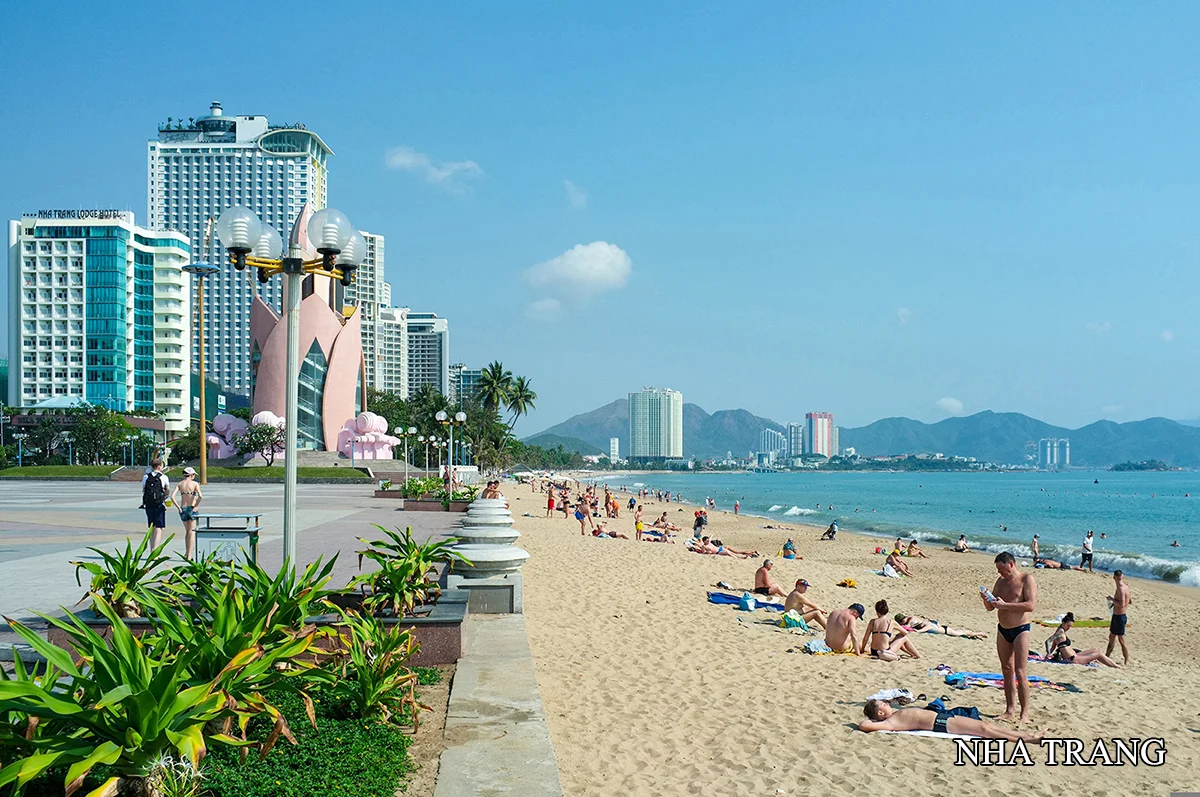
Nha Trang offers a classic Vietnamese beach-city experience. A broad coastline, nearby islands, seafood restaurants and a range of activities make it easy to build several days around the sea.
For travelers who want beach time without moving into a remote resort environment, Nha Trang can be a practical choice. It also fits naturally into a southbound coastal journey toward Ninh Thuan and Mui Ne.
Who will enjoy Nha Trang?: Travelers who want beaches and islands together with the convenience and services of an established coastal city.
Recommended stay: 2–3 days | Best for: Beaches | Combine with: Ninh Thuan · Mui Ne
15. Ninh Thuan: A Different Side of Vietnam’s Coast
Best for: Scenic drives, beaches, vineyards, photography and Cham culture
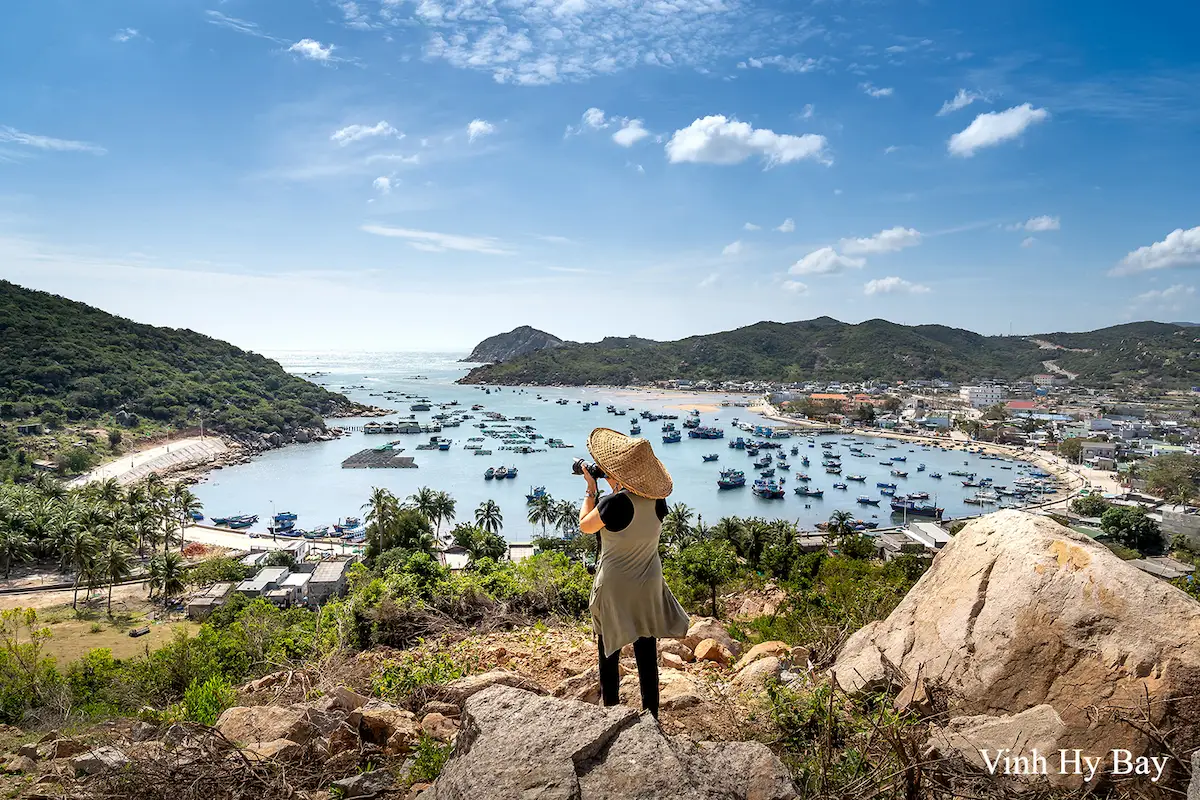
Ninh Thuan is for travelers who want to explore Vietnam’s coastline beyond the best-known beach cities. The region has a noticeably drier and more open landscape, with rocky coastlines, beaches, fields and wide scenic roads.
Ninh Thuan is perhaps best experienced as part of a scenic road journey. The changing relationship between mountains, countryside and coast is part of what makes the destination visually distinctive.
Why consider Ninh Thuan?: It offers a visually different version of Vietnam’s coastline that is especially interesting for road trips and photography.
Recommended stay: 2 days | Best for: Scenic drives | Combine with: Nha Trang · Mui Ne
16. Mui Ne: Sand Dunes by the Sea
Best for: Beaches, sand dunes, photography and relaxation
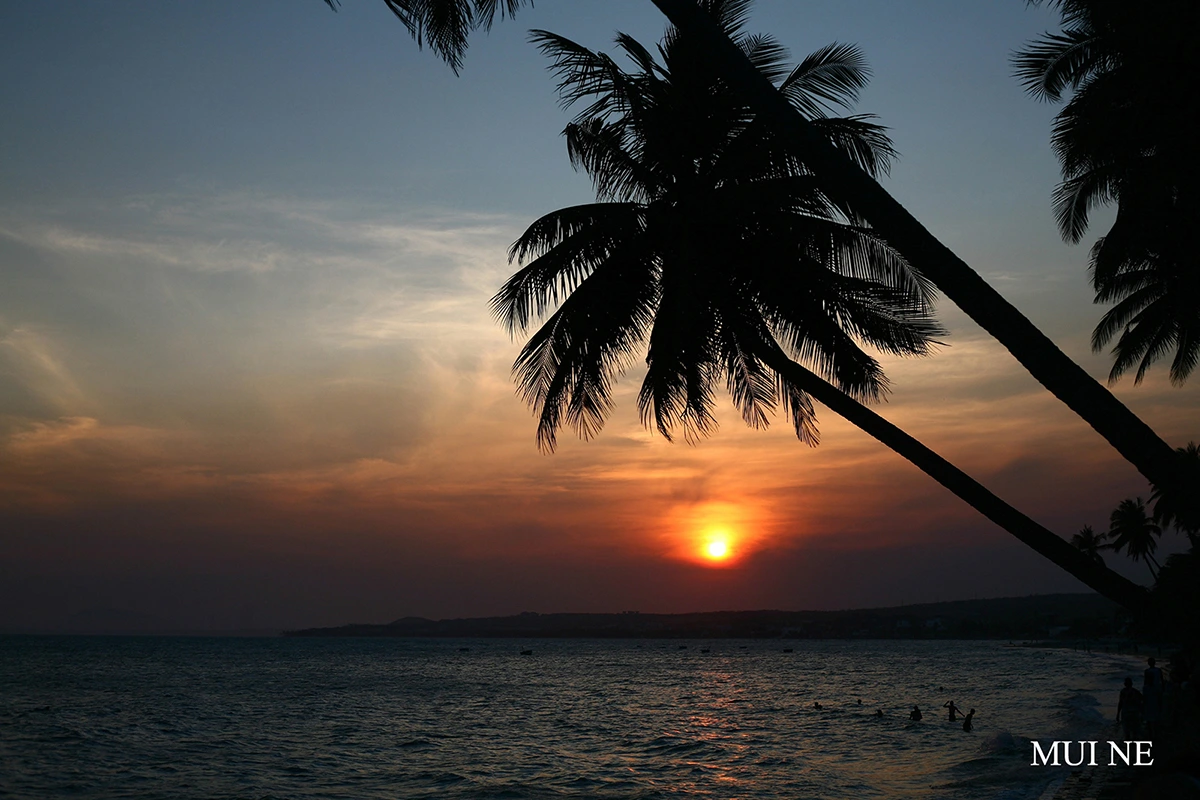
Mui Ne offers a striking combination of sea and sand. The dunes are especially memorable around sunrise and early morning, when changing light creates strong textures across the landscape.
For a busy Vietnam itinerary, Mui Ne can serve an important purpose: slowing down. After days of sightseeing, road travel or city exploration, several days beside the sea can reset the pace.
Photography idea: Visit the dunes early for softer light and clearer textures across the sand.
Recommended stay: 2–3 days | Best for: Beaches | Combine with: Ninh Thuan · Ho Chi Minh City
17. Da Lat: Vietnam’s Cool-Climate Highland Escape
Best for: Coffee, nature, couples, food and a change of pace
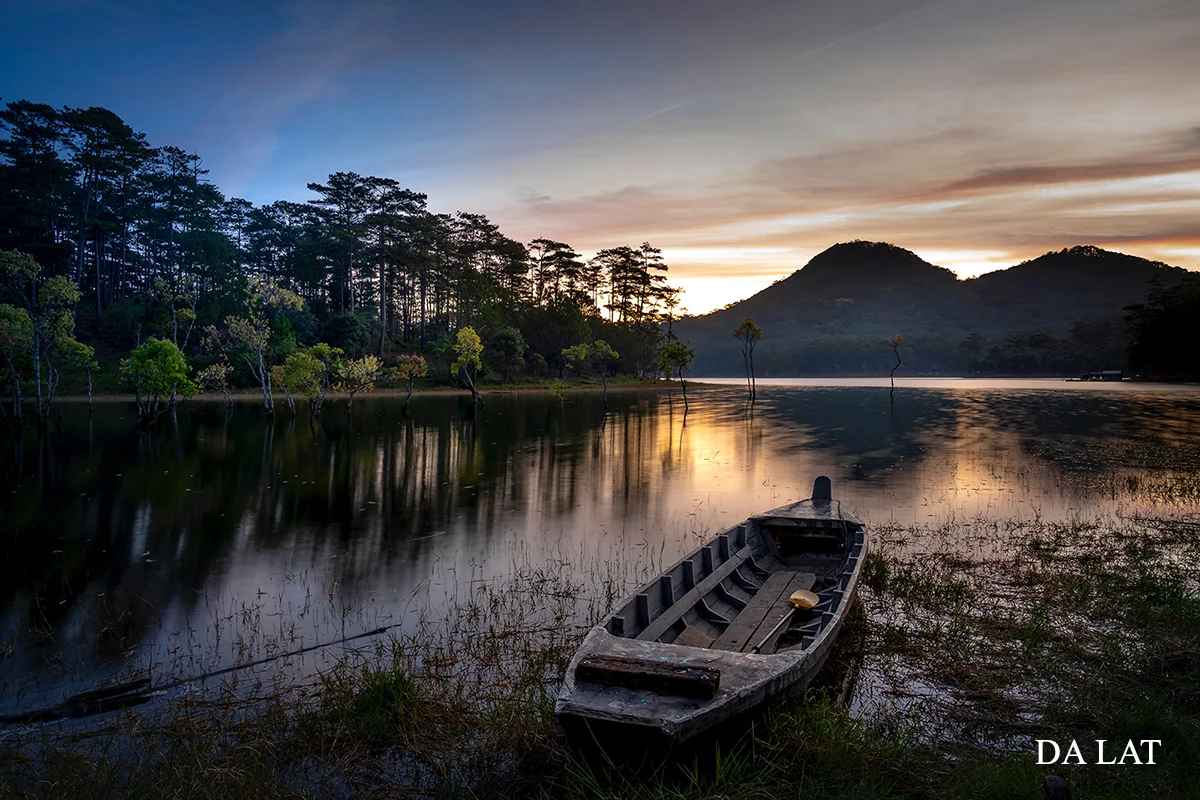
Da Lat feels surprisingly different from most of Vietnam’s major tourist destinations. Set in the Central Highlands, the city has a cooler climate, pine-covered hills, gardens and a distinctive café culture.
For travelers moving between coastal and urban destinations, Da Lat provides a refreshing change of atmosphere and a slower rhythm.
What makes Da Lat different?: Its highland climate, pine forests, agriculture, waterfalls and coffee culture create an atmosphere unlike Vietnam’s major coastal cities.
Recommended stay: 2–3 days | Best for: Coffee | Combine with: Nha Trang · Ho Chi Minh City
Southern Vietnam: City Energy, the Mekong and Tropical Islands
The final stretch of the journey changes rhythm again: urban energy in Ho Chi Minh City, river life in the Mekong Delta, and slower days on Vietnam’s southern islands.
18. Ho Chi Minh City: Vietnam’s Most Energetic Urban Experience
Best for: Food, history, shopping, nightlife and city life
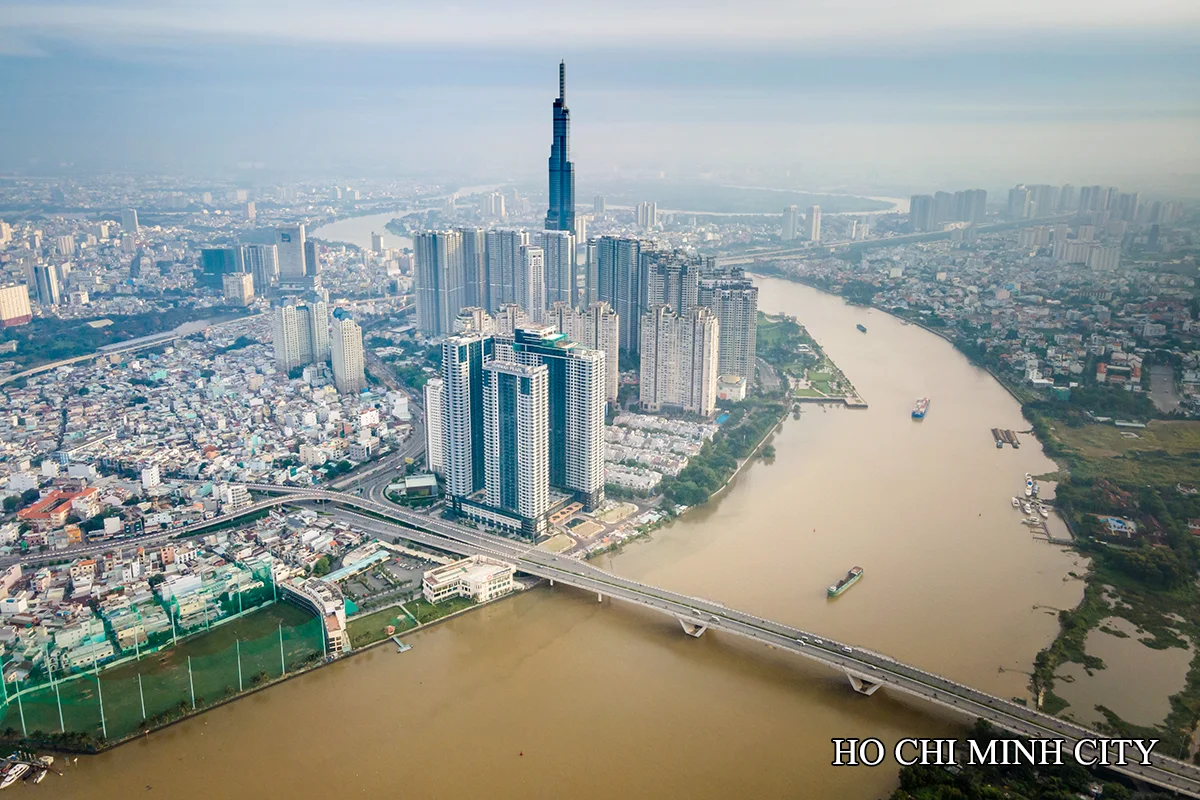
Ho Chi Minh City is fast, crowded and full of energy. Scooters move through intersections, street food continues into the evening, cafés occupy every kind of space and modern buildings rise beside older neighborhoods.
The city is also one of the most useful gateways in Southern Vietnam, with onward routes toward the Mekong Delta and the beaches and islands farther south.
Give the city unscheduled time: Leave room for food, coffee, markets and the ordinary movement of city life rather than filling every hour with attractions.
Recommended stay: 2–3 days | Best for: Food | Combine with: Mekong Delta · Phu Quoc
19. Mekong Delta: Slow Travel Along Vietnam’s Great River
Best for: Rivers, villages, food, cycling and local life
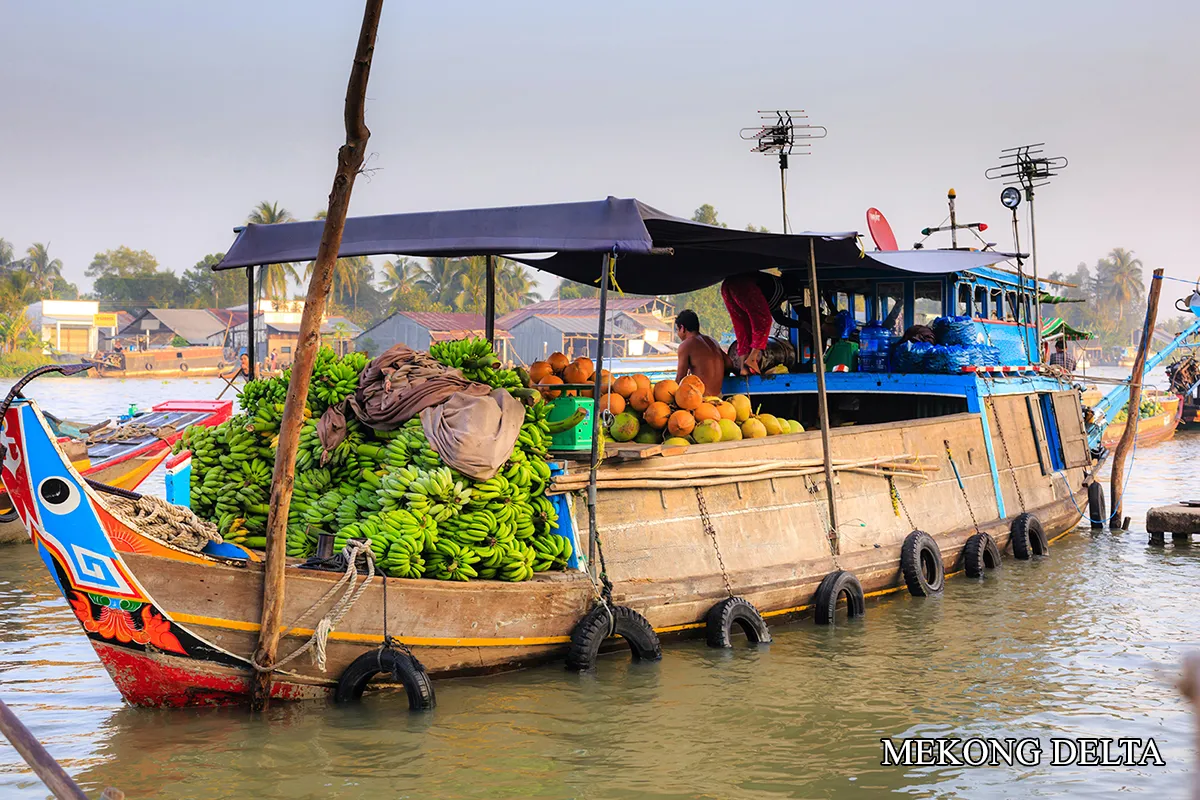
The Mekong Delta is where the rhythm of Vietnam changes again. Rivers, canals, orchards, farms and villages shape everyday life, creating a landscape very different from the mountains and cities elsewhere in the country.
The contrast with Ho Chi Minh City is immediate. Travelers with enough time should consider staying overnight so the quieter rhythm becomes part of the experience.
Think beyond the floating market: The wider attraction is the combination of waterways, agriculture, food and everyday local life.
Recommended stay: 1–2 days | Best for: Rivers | Combine with: Ho Chi Minh City · Phu Quoc
20. Phu Quoc: Finish Your Vietnam Journey by the Sea
Best for: Beaches, island life, seafood and relaxation
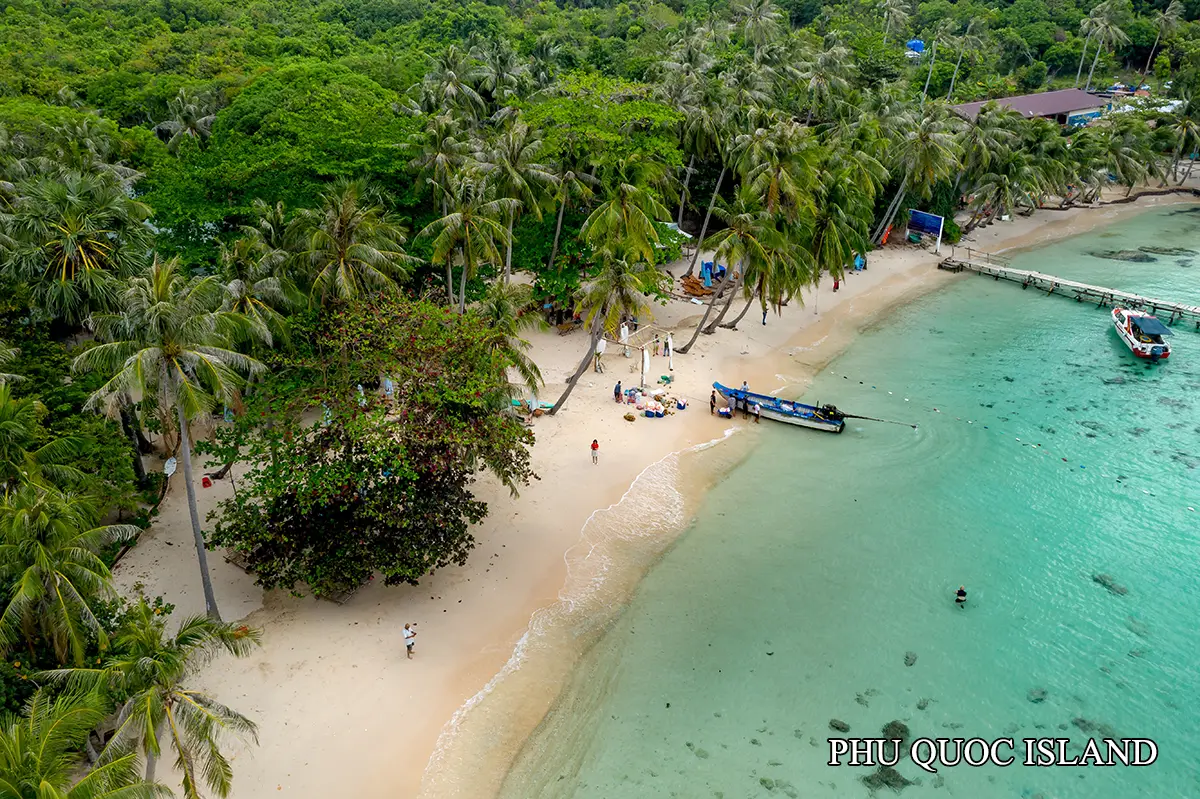
After mountains, cities, ancient towns and road journeys, sometimes the right final destination is simply a beach. Phu Quoc makes it possible to spend several days without constantly changing hotels or chasing another sightseeing list.
Phu Quoc therefore works both as a destination in its own right and as the final chapter of a longer North-to-South Vietnam itinerary.
Sometimes the best ending is no schedule: Wake up beside the sea, spend the day outdoors, eat fresh seafood and leave room for doing almost nothing.
Recommended stay: 3–4 days | Best for: Beaches | Combine with: Ho Chi Minh City · Mekong Delta
21. Con Dao: Vietnam’s Quieter Island Escape
Best for: Nature, history, photography, beaches and tranquility
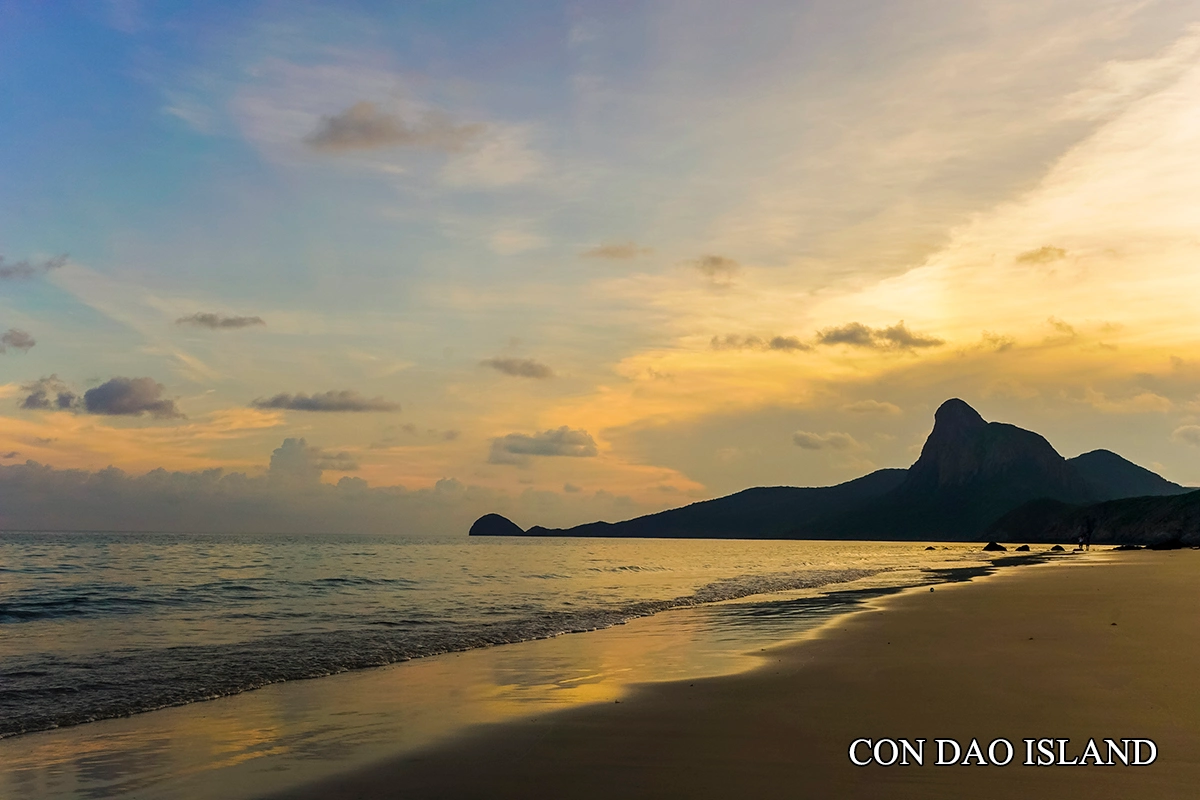
Con Dao offers a different island experience from Vietnam’s busier coastal destinations. The archipelago combines beaches, forests, marine landscapes and a significant historical dimension.
The slower atmosphere allows the landscape to be enjoyed without filling every hour with activities. For travelers who value nature and tranquility more than nightlife, that slower pace is part of the appeal.
Choose Con Dao when: You want beaches and nature with a quieter atmosphere and an additional historical dimension to the island experience.
Recommended stay: 2–3 days | Best for: Nature | Combine with: Phu Quoc · Ho Chi Minh City
How to Build Your Vietnam Itinerary for 2027
The key planning decision is not how many destinations you can fit in, but how many experiences you want without spending too much time in transit.
The 21 destinations above can be grouped into several natural travel styles. Choose one as the main theme, then add one or two contrasting experiences.
Classic first Vietnam journey:
Hanoi → Ninh Binh → Ha Long Bay → Hue → Hoi An → Ho Chi Minh City → Mekong Delta
Nature and adventure:
Hanoi → Ninh Binh → Ha Long Bay → Ha Giang → Phong Nha → Hoi An → Da Lat → Ho Chi Minh City
Culture + beach:
Hanoi → Ninh Binh → Ha Long Bay → Hue → Hoi An → Da Nang → Phu Quoc
Longer North-to-South adventure:
Hanoi → Ninh Binh → Ha Long Bay → Ha Giang → Phong Nha → Hue → Hoi An → Da Lat → Ho Chi Minh City → Mekong Delta → Phu Quoc
With limited time, fewer destinations leave more room for each place. With two weeks or more, add a mountain, highland, Mekong or beach experience without turning the holiday into constant transfers.
How Many Days Do You Need in Vietnam?
There is no single ideal trip length, but the number of days changes what kind of itinerary is realistic.
| Trip Length | Possible Focus | Travel Style |
|---|---|---|
| 5–7 days | Hanoi + Ninh Binh + Ha Long Bay | Classic highlights |
| 8–10 days | Add Cat Ba or Pu Luong | Nature + slower pace |
| 11–14 days | Add Sapa, Ha Giang or Central Vietnam | Mountains + culture |
| 14+ days | Add Phong Nha, Da Lat, Mekong Delta or an island | Deeper exploration |
For a longer holiday, an 18-day or 21-day route can combine Northern, Central and Southern Vietnam, but you still do not need all 21 destinations. Use the extra days to slow down in places that matter most to you.
When Is the Best Time to Visit Vietnam in 2027?
Vietnam does not have one universal best month. Conditions can vary considerably between Northern mountain regions, Central Vietnam and the southern coast and islands.
Travelers interested in rice terraces in Sapa or Mu Cang Chai should consider local agricultural cycles. Those planning caves in Phong Nha, walking in Hoi An or beach time in Nha Trang and Phu Quoc should also check the local weather and outdoor conditions close to departure.
2027 holiday note:
The source guide notes an approved seven-day Lunar New Year holiday arrangement for the applicable public-sector schedule from February 4 to February 10, 2027, with Tet falling on February 6. It also notes Vietnam’s National Day on September 2 and a continuous holiday period through September 5 for the applicable 2027 public-sector schedule.
Tet can be a fascinating period for travelers interested in Vietnamese traditions, decorations and festive atmosphere, but transportation and individual business schedules may differ from ordinary days. For any major holiday period, confirm accommodation and important transport segments ahead of time.
| Region / Destination | What to Check |
|---|---|
| Sapa · Mu Cang Chai | Rice-field and mountain conditions |
| Ha Long Bay · Ninh Binh | Visibility and outdoor activity conditions |
| Phong Nha · Hue · Hoi An | Regional Central Vietnam weather |
| Nha Trang · Phu Quoc · Con Dao | Beach, sea and island conditions |
Instead of searching for one nationwide “best month,” choose the experiences that matter most and then match your route to the conditions of those regions.
Vietnam Visa Information for Travelers in 2027
The source guide notes that Vietnam’s e-visa system allows citizens of all countries and territories to apply, with e-visas valid for up to 90 days and allowing multiple entry.
That can be useful for travelers planning a longer North-to-South journey. Visa and immigration requirements can change, so travelers should verify the latest official rules and permitted entry points before applying.
Important: Confirm current visa eligibility, entry requirements and permitted entry points close to your departure date.
Where Will Vietnam Take You in 2027?
The farther south you travel, the more Vietnam changes. Northern limestone landscapes give way to Central caves and imperial architecture, then to historic streets, beaches, highlands, a river-shaped countryside and tropical islands.
That variety is why there is no single perfect answer to where to go in Vietnam in 2027. Your ideal journey might revolve around food and culture, mountain roads and caves, beaches and island life, or a balanced combination of all three.
Vietnam does not have one perfect itinerary.
Build the route around the places that genuinely interest you, and leave enough time for the moments you cannot plan.
Perhaps the journey begins with a bowl of pho in Hanoi and ends beside the sea on Phu Quoc. Perhaps you spend days riding through Ha Giang, exploring the caves of Phong Nha, walking through Hoi An or drifting along the Mekong. Leave space for the unexpected: a memorable meal, a quiet village road, a beautiful sunrise or a landscape that looks completely different from the photographs you saw before your trip.
Ready to Plan Your Vietnam Journey?
Explore Vietnam with Culture Adventure Travel – from Northern mountains and Ha Long Bay to Central Vietnam’s heritage towns, Southern waterways and tropical islands.
Frequently Asked Questions About Vietnam Travel in 2027
What are the best places to visit in Vietnam in 2027?
It depends on the experience you want. Hanoi, Ninh Binh and Ha Long Bay create a strong northern introduction; Sapa, Ha Giang and Cao Bang add mountains and adventure; Phong Nha, Hue, Da Nang and Hoi An cover very different sides of Central Vietnam; and Ho Chi Minh City, the Mekong Delta and the southern islands create a varied finish.
How many days should I spend in Vietnam?
A 5–7 day trip can focus on Hanoi, Ninh Binh and Ha Long Bay. Around 8–10 days allows an additional nature destination, while 11–14 days makes a broader north-to-central journey possible. Two weeks or more gives you more flexibility to add deeper mountain, highland, Mekong or island experiences.
Is Northern Vietnam suitable for first-time visitors?
Yes. Hanoi, Ninh Binh and Ha Long Bay provide a varied introduction without requiring the more demanding road journeys associated with remote mountain areas.
Should I visit Sapa or Ha Giang?
They offer different experiences. Sapa is particularly associated with trekking, rice terraces and mountain villages, while Ha Giang is more strongly connected with multi-day road journeys, mountain passes and dramatic landscapes.
Is Ha Long Bay still worth visiting in 2027?
The source guide treats Ha Long Bay as one of Northern Vietnam’s defining natural experiences and notes that the UNESCO World Heritage property is known as Ha Long Bay – Cat Ba Archipelago.
Is Ninh Binh better as a day trip or overnight stay?
A day trip can cover major highlights, but an overnight stay gives you more time for countryside cycling, quieter hours and a less rushed experience.
How many days should I spend in Hoi An?
Two to three days gives travelers time for the Ancient Town, evening atmosphere, local food and additional countryside or beach experiences.
Should I visit Nha Trang or Phu Quoc?
They offer different styles of beach holiday. Nha Trang combines beaches and island activities with a lively coastal city, while Phu Quoc is particularly suited to several slower days focused on island life and relaxation.
Is Da Lat worth adding to a Vietnam itinerary?
Da Lat adds cooler highland surroundings, pine forests, agriculture, waterfalls and coffee culture, creating a clear change of atmosphere after coastal and urban destinations.
Should I stay overnight in the Mekong Delta?
An overnight stay can provide more time to experience waterways, countryside, food and the quieter rhythm of local life instead of compressing the region into a short excursion.
Is Con Dao suitable for a quiet beach holiday?
Con Dao is well suited to travelers looking for a quieter island environment combined with nature, beaches and history.
Can I combine Northern, Central and Southern Vietnam in three weeks?
Yes, but prioritization is important. A 21-day journey can combine several destinations across all three regions, but leaving out some stops will give you more time to experience the ones you choose.
Can I stay in Vietnam for 90 days?
The source guide notes that Vietnam’s e-visa can be valid for up to 90 days with multiple entry, but travelers should verify the latest official requirements before applying.
Travel information note:
Weather, transportation, public holidays, immigration requirements and tourism services can change. Travelers should confirm current information close to their departure date.