Hanoi rewards curiosity with a blend of ancient landmarks, bustling markets, colonial architecture, and a food scene that turns every corner into a tasting room. If you’re planning the best things to do in Hanoi in 2 days, this guide helps you balance iconic sights with everyday life, showing you where to walk, what to eat, and how to pace your visit so you leave with more than a handful of photos. The experiences are grouped by neighborhood and interest, allowing you to tailor your two days to history, food, culture, or quiet lakeside wandering.
In a city shaped by scooter rhythms and street-side conversations, the most rewarding short visit often combines a landmark, a market, and a hidden coffee nook. This guide helps you do that without rushing from one photo stop to the next. You’ll discover Hanoi through its historic landmarks, lively markets, lakefront atmosphere, and the small details of daily life. Leave a little room in your schedule for spontaneous stops, because an unexpected café or local food stall can become a memorable part of your trip.
Quick Overview
- Best for: History lovers, culture seekers and food explorers with limited time
- Two days: Focused, walkable routes around the Old Quarter, Ba Dinh, West Lake, and local markets
- Key experiences: Temples and pagodas, lakeside strolls, street-food tastings, and museums
- Getting around: Primarily on foot, with short taxi or ride-hailing trips for farther attractions
How to use this guide: planning a balanced two days
To keep your two days efficient and varied, the itinerary blends three themes: historic landmarks, bustling markets and street-food experiences, and scenic walks along lakes and parks. You’ll find a practical route here, with alternatives for rainy weather and ideas for deeper cultural immersion. The Old Quarter and Hoan Kiem Lake are easiest to explore on foot, while Ba Dinh and West Lake are better planned separately. Use the suggestions below as a flexible route and adjust for opening hours and weather.
Best things to do in Hanoi: historic landmarks and cultural anchors
Hanoi’s center holds a remarkable collection of historic and cultural sites that have shaped Vietnamese identity over centuries. You do not need to see everything; a few well-chosen attractions reveal the city’s layers of Confucian learning, colonial influence, and modern national history. Several landmarks can be combined in one visit.
Built in the 11th century as Vietnam’s first national university, the Temple of Literature remains a serene place to reflect on learning and tradition. Its courtyards, stone stelae, traditional gates, and tree-lined walkways offer a glimpse into the importance of education in Vietnamese society. Explore the courtyards and notice the architectural details. The compact site is easy to pair with nearby cultural stops. Morning visits are often more comfortable, and the courtyards offer several good angles for architectural photography.
The heart of Hanoi’s national history sits in the Ba Dinh district. The complex includes the Ho Chi Minh Mausoleum, the Presidential Palace, and the stilt house where Ho Chi Minh lived and worked. Even viewing the grounds from outside gives you a sense of Vietnam’s political memory. Check visitor arrangements in advance, as access may follow specific schedules.
A short, peaceful counterpoint to larger museums, the One Pillar Pagoda is one of Hanoi’s most photographed symbols. Its distinctive lotus-pod form rises above a tranquil pond, offering a quiet place to pause during your historic circuit. Although small, the pagoda is worth visiting for its unusual design and historical associations. For more religious architecture, add Quan Thanh Temple or Tran Quoc Pagoda.
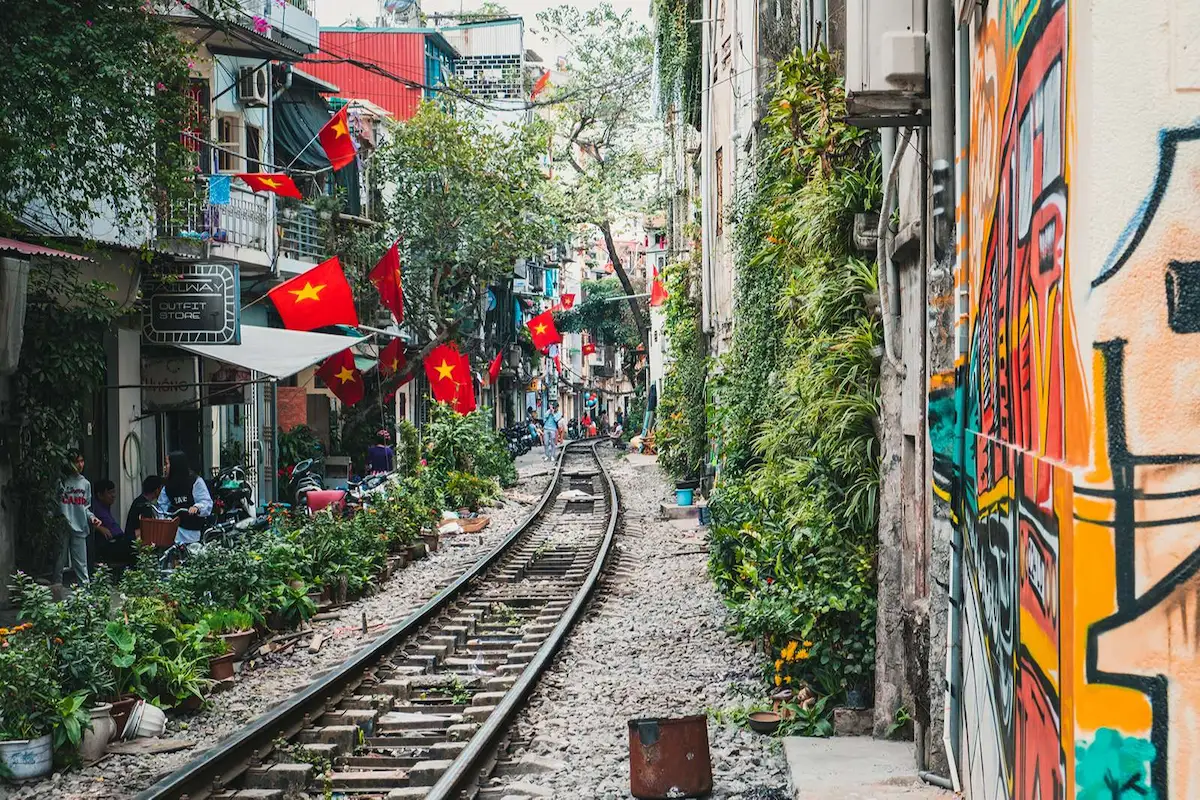
For a different perspective on Hanoi’s urban character, visit Hanoi Train Street, a narrow railway corridor running through a densely populated neighborhood. The railway tracks pass between traditional houses, small shops, and cafés, creating a distinctive scene where everyday residential life exists alongside the railway. Visitors can experience the area’s unique atmosphere, observe the colorful surroundings, and enjoy Vietnamese coffee at designated cafés when access is permitted. Since visitor access and train operations are subject to restrictions, follow local safety instructions and never enter the tracks or railway area when access is prohibited.
For a deeper look at Vietnam’s modern history, consider a stop at Hoa Lo Prison. Originally built during the French colonial period, the prison later became associated with American prisoners of war during the Vietnam War. Its exhibits use photographs, documents, and preserved spaces to illustrate hardship and resilience. Allow time to read the displays and check current visiting hours before your visit.
Markets, street food and everyday life in Hanoi
To understand Hanoi’s daily rhythm, step into the markets and lanes where locals shop, chat, and enjoy quick meals. The Old Quarter is famously atmospheric, but you can also glimpse everyday life by wandering through Dong Xuan Market and nearby food streets. These are working parts of the city, so observe local routines respectfully.
The Old Quarter is a living kitchen, with winding alleys, steam rising from pots, and vendors offering everything from pho and bun cha to banh mi and sweet treats. Rather than rushing between stalls, choose a handful of signature dishes to sample in sequence. Look for busy eateries where food is prepared fresh and local customers regularly return. Smaller lanes reveal traditional shopfronts, family businesses, temples, and cafés tucked above street level. Walk slowly and look up occasionally, as balconies, signs, and old façades are easy to miss when the streets are busy.
Dong Xuan Market is a heritage stop with a daily rhythm that reveals the city’s commercial heartbeat. Inside and around the market, you’ll find vendors selling clothing, household goods, fresh produce, herbs, and ready-to-eat snacks. It is a good place to observe local trading culture and find simple snacks nearby. Be considerate when taking photographs and keep personal belongings secure in crowded areas.
Vietnam’s coffee culture is a memorable companion to any Hanoi itinerary. Seek out well-regarded cafés tucked into corner streets or upstairs overlooking a busy lane. A classic egg coffee, known for its creamy topping, or a traditional Vietnamese drip brew can make a relaxing break between landmarks and markets. Some cafés occupy older buildings, with quiet upstairs spaces overlooking local life. If you are trying egg coffee for the first time, order one to share alongside another drink so you can compare its rich texture with the stronger taste of traditional drip coffee.
Scenic walks, lakes, and contemplative views
Hanoi’s geography favors gentle walks that let you see how the city unfolds, from reflective Hoan Kiem Lake to the more spacious surroundings of West Lake. These routes are especially rewarding if you prefer a slower pace or want to balance sightseeing with time outdoors. Early morning and late afternoon are often pleasant times to explore, although the best conditions depend on the season and weather.
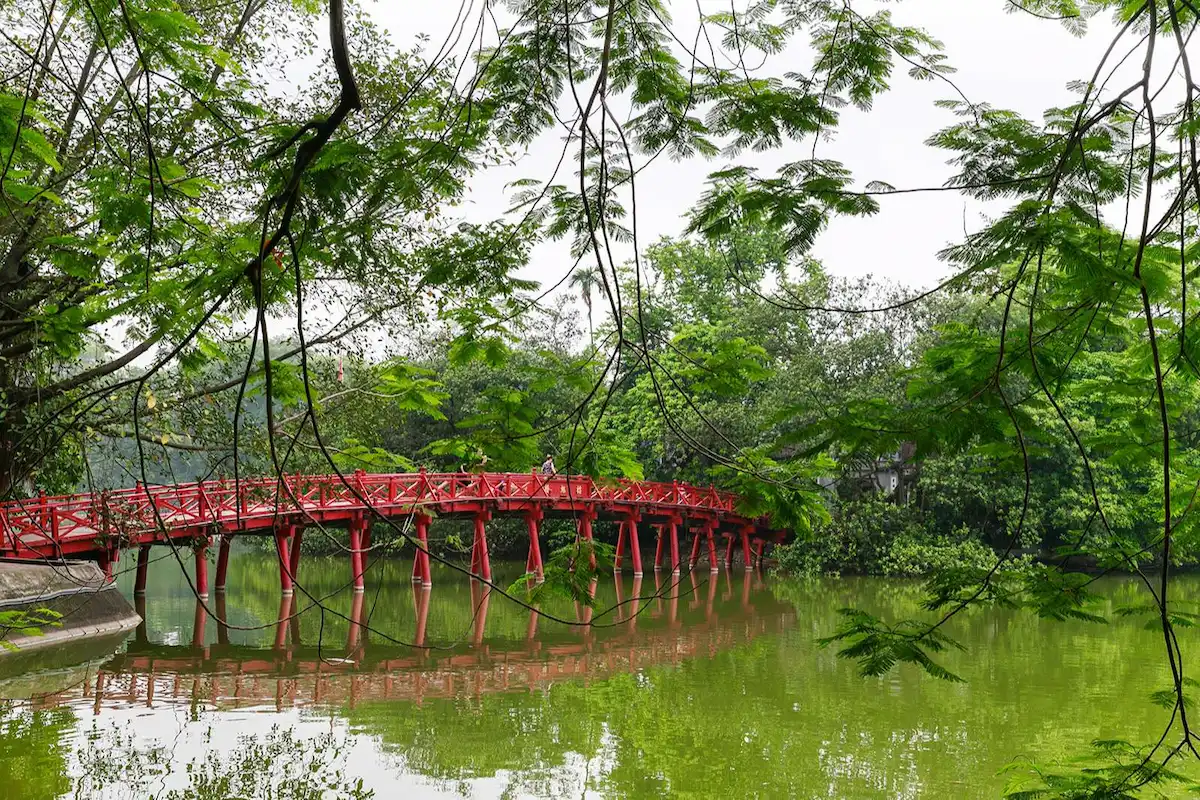
A gentle circuit around Hoan Kiem Lake connects several highlights and offers photogenic views across the water. The area is lively in the morning, when locals exercise and practice tai chi, and in the evening, when families and visitors gather. Cross the red Huc Bridge to visit Ngoc Son Temple and learn about the lake’s legends. The waterfront is easy to combine with an Old Quarter walk. On weekends and public holidays, parts of the surrounding area may become pedestrian-friendly and particularly lively, making the lake a pleasant place to spend extra time.
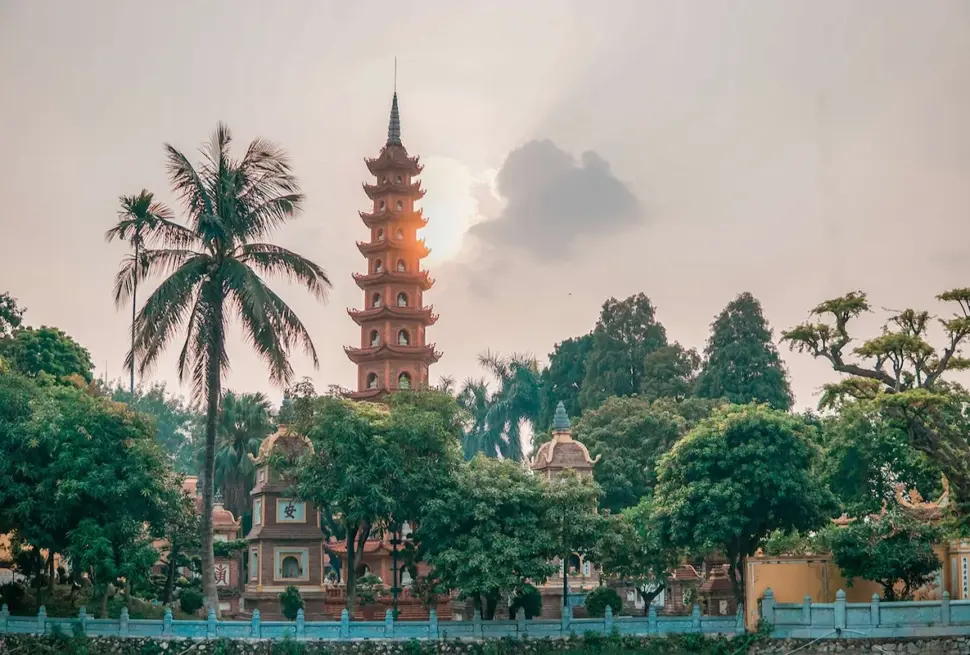
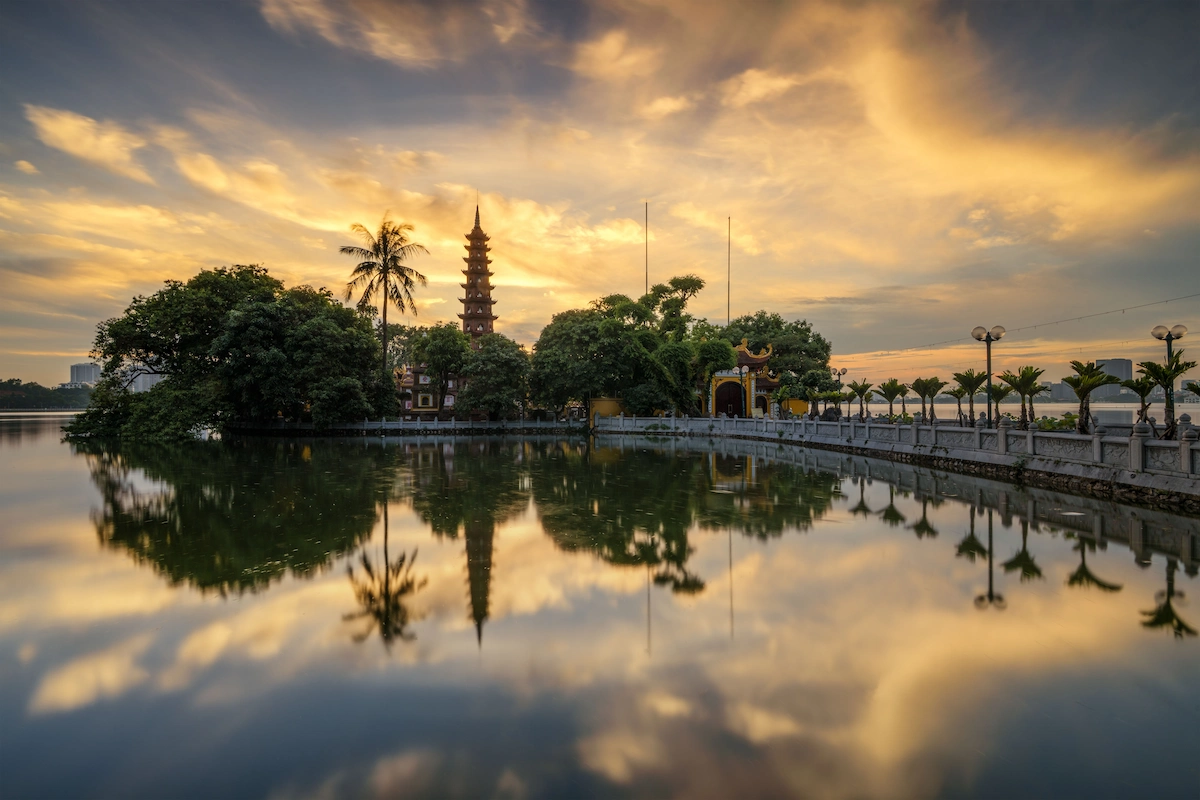
West Lake is Hanoi’s largest freshwater lake and a tranquil counterpoint to the city’s compact center. The surrounding neighborhoods and cafés provide a scenic backdrop for a late-afternoon stroll. Tran Quoc Pagoda, on a small island along the lake’s eastern edge, is one of the city’s oldest Buddhist sites. Enjoy the temple grounds and views over the water, and allow extra travel time from the Old Quarter.
Two-day itineraries by traveler interest
To help you turn these ideas into a practical plan, here are condensed suggestions grouped by traveler interest and geography. Each option assumes you’ll start your day with a light breakfast and end with a relaxed dinner in a neighborhood you’ve come to enjoy. Swap stops when weather or opening hours make another option more convenient. If you plan to visit the Ho Chi Minh Mausoleum, confirm its visiting schedule first and build the rest of the morning around it.
For history lovers
Day 1: Old Quarter walk, Hoan Kiem Lake loop, Temple of Literature, and the Ho Chi Minh Mausoleum Complex. Day 2: Hoa Lo Prison and another focused museum visit about modern Vietnamese history, followed by a late-afternoon stroll along West Lake. This route balances cultural heritage with more recent history.
For foodies
Day 1: Old Quarter street-food crawl with a focus on signature dishes—pho, bun cha, and banh mi—paired with a traditional coffee stop. Day 2: A guided cooking class to learn a few Vietnamese staples, followed by a market visit or an evening wander to taste local snacks. A guide can explain ingredients and introduce lesser-known eateries.
For culture seekers
Day 1: Temple of Literature and nearby cultural spaces, plus a traditional theatre or music event if available. Day 2: A visit to the Vietnam Women’s Museum or the Fine Arts Museum, followed by a quiet coffee at a historic café overlooking a street or lake. Check performance schedules before your visit.
For slow-paced wanderers
Day 1: A relaxed lakeside walk around Hoan Kiem and an easy Old Quarter stroll with a few snack breaks. Day 2: A longer West Lake visit, a pagoda stop by the water, and a late lunch at a local favorite tucked into a quiet alley. This option leaves room for spontaneous discoveries.
Rainy-day planning and flexible options
Hanoi’s climate can surprise you, but a rainy day doesn’t have to derail your plans. Museums, cooking classes, and sheltered cafés let you stay immersed in local culture. Keep an indoor alternative in mind in case the weather changes.
Rainy-day plan
- Visit the Vietnam National Museum of History and the Vietnam Women’s Museum for indoor exhibitions about the country’s past and daily life.
- Join a Vietnamese cooking class—learn to prepare a few local dishes and enjoy the results in a warm, social setting.
- Linger in a well-regarded café or a covered market hall, tasting regional snacks while you watch the rain outside.
Practical travel notes and quick planning reminders
Two days is a compact introduction to Hanoi, so use this guide as a flexible framework rather than a fixed timetable. Wear comfortable shoes, watch for motorbike traffic when crossing streets, and use taxis or ride-hailing services for longer journeys to Ba Dinh or West Lake. Check attraction opening hours and dress respectfully at temples and pagodas. If a landmark is crowded, move to a nearby alternative; if a neighborhood captures your interest, stay longer. Some of Hanoi’s best moments are unplanned—a hidden café, a street-side conversation, or a small art display tucked behind a temple. Carry some cash for small food stalls and markets, and keep a little flexibility in your schedule for traffic or longer-than-expected visits.
FAQs
What are the best things to do in Hanoi in 2 days?
Focus on a mix of historic landmarks, local food, and scenic walks. Visit the Temple of Literature and Ho Chi Minh Mausoleum Complex, stroll around Hoan Kiem Lake, explore the Old Quarter and Dong Xuan Market, and add Hoa Lo Prison or Tran Quoc Pagoda if time allows. Street food and traditional Vietnamese coffee add a local touch to the trip. Choose freshly prepared dishes from busy stalls, and mention any dietary restrictions clearly when ordering.
How should I group activities by neighborhood?
Explore the Old Quarter and Hoan Kiem Lake together. Group the Temple of Literature, Ho Chi Minh Mausoleum Complex, and One Pillar Pagoda in Ba Dinh. Visit West Lake and Tran Quoc Pagoda separately to enjoy the lakeside views.
Which activities work on a rainy day?
Try the Vietnam National Museum of History, Vietnam Women’s Museum, Hoa Lo Prison, a cooking class, or a covered market. A traditional café is another pleasant place to wait for the rain to ease.
Is a two-day Hanoi itinerary feasible?
Yes. You can explore the historic center, markets, street food, and lakeside walks by grouping nearby attractions together. With extra time, add a museum or a longer West Lake visit.
How can I avoid crowds and stay local?
Visit popular landmarks early, choose smaller lanes in the Old Quarter, and seek eateries and cafés favored by local residents rather than only tourist hotspots. Ask shopkeepers or café staff for recommendations, and be respectful when photographing people.
Planning to stay longer? Our complete Hanoi travel guide for first-time visitors includes additional sightseeing ideas, neighborhood recommendations, and a practical three-day itinerary.