
Quick Overview
- Recommended stay: Spend 2–3 days exploring Hanoi’s main sights, neighborhoods and food. Add another day if you want to take a trip outside the city.
- Where to explore: Visit the Old Quarter for street life and food, the French Quarter for architecture and museums, and West Lake for a more relaxed atmosphere.
- Must-try food: Try pho, bun cha, cha ca, banh mi and Hanoi-style egg coffee.
- Good first-day plan: Explore Hoan Kiem Lake and the Old Quarter, then enjoy a local meal and an evening walk.
- Planning tip: Check attraction opening hours and access arrangements before setting out, especially for major historical sites.
How Many Days Should You Spend in Hanoi?
For most first-time visitors, 2 to 4 days in Hanoi is a useful planning range. The right amount of time depends on whether you want to focus on the city’s main attractions or include museums, quieter neighborhoods and a day trip.
- 2 days: Focus on the essentials. Walk around Hoan Kiem Lake, visit Ngoc Son Temple, explore the Old Quarter, see St. Joseph’s Cathedral and sample Hanoi street food.
If you have only 48 hours in the city, planning your route carefully can help you experience Hanoi without feeling rushed. Our Hanoi 2-day itinerary provides a practical day-by-day route covering Hoan Kiem Lake, the Old Quarter, local street food, the Temple of Literature, and West Lake, with useful tips to make the most of your time. - 3 days: Enjoy a more relaxed pace. Add the French Quarter, West Lake, one or two museums or cultural sites, and time to explore local markets and cafés.
- 4 days or more: Leave room for a full-day trip beyond the capital, such as a boat excursion in Ninh Binh or a visit to Duong Lam Ancient Village. You can also spend more time exploring Hanoi’s museums, temples and café culture.
Try not to fill every hour with sightseeing. Hanoi’s atmosphere is part of the experience, and a little unplanned time gives you the chance to pause for coffee, watch daily life and discover streets you might otherwise miss.
Best Areas to Explore in Hanoi
Hanoi’s neighborhoods each have their own character. Choosing what to explore—and where to stay—depends on whether you prefer busy streets, historic architecture, museums or a slower lakeside atmosphere.
1. The Old Quarter and Hoan Kiem Lake
The Old Quarter, just north of Hoan Kiem Lake, is one of the most energetic parts of Hanoi. Its narrow streets are filled with small shops, food stalls, cafés and traditional businesses. It is a convenient area for first-time visitors who want to explore many central sights on foot.
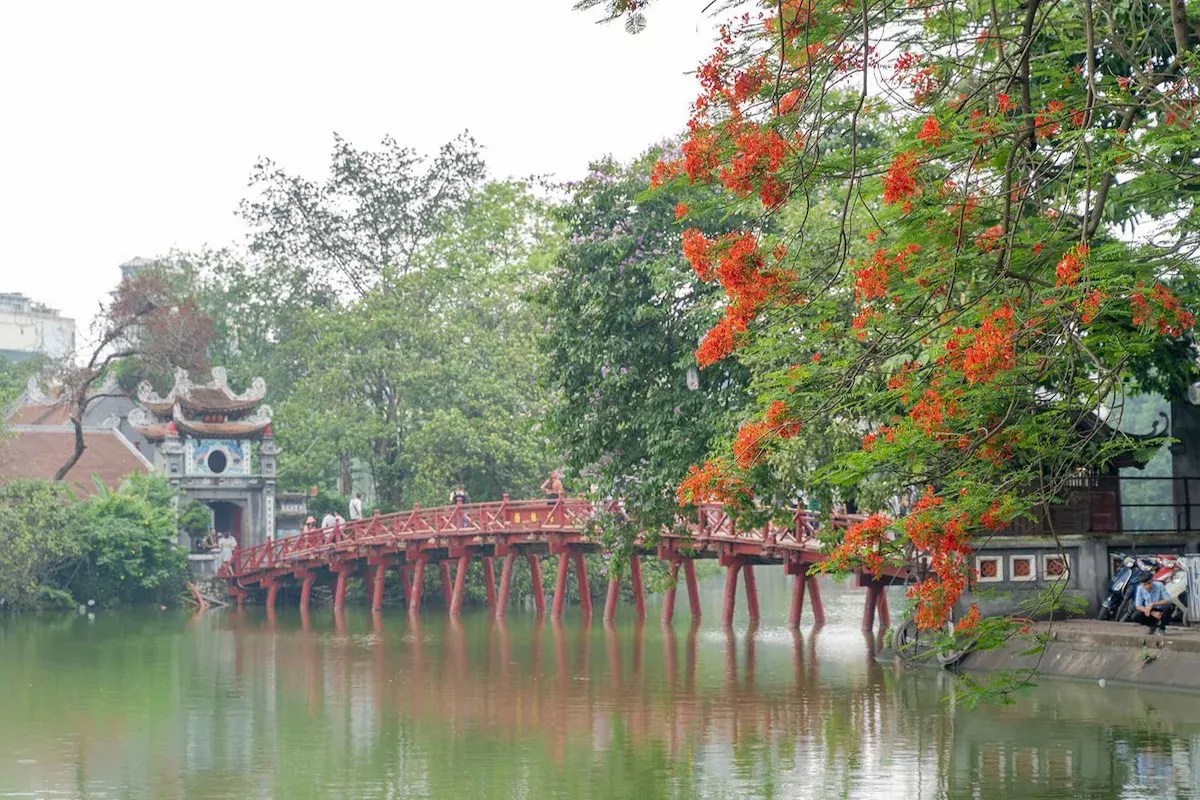
Make time to walk around Hoan Kiem Lake, a much-loved gathering place for local residents. Cross the red bridge to Ngoc Son Temple for a closer look at one of the city’s best-known cultural landmarks. Nearby, St. Joseph’s Cathedral offers a striking architectural contrast, while Dong Xuan Market gives you a glimpse of Hanoi’s busy trading culture.
Beyond exploring the main attractions, joining a guided Hanoi walking tour is a great way to discover the Old Quarter’s hidden heritage and everyday local life. With a local guide, you can explore traditional merchant houses, historic craft streets, communal houses, and Bach Ma Temple while learning about the stories and traditions behind Hanoi’s centuries-old neighborhoods.
The Old Quarter is especially lively in the evening, when restaurants, cafés and market streets attract both residents and visitors. Expect crowds around popular areas, particularly at weekends, and keep an eye on your belongings in busy places.
2. The French Quarter
South of Hoan Kiem Lake, the French Quarter has a noticeably different atmosphere. Broad streets, leafy boulevards, elegant façades and historic public buildings create a more spacious setting than the Old Quarter. It is a good area for visitors interested in architecture, museums and relaxed café stops.
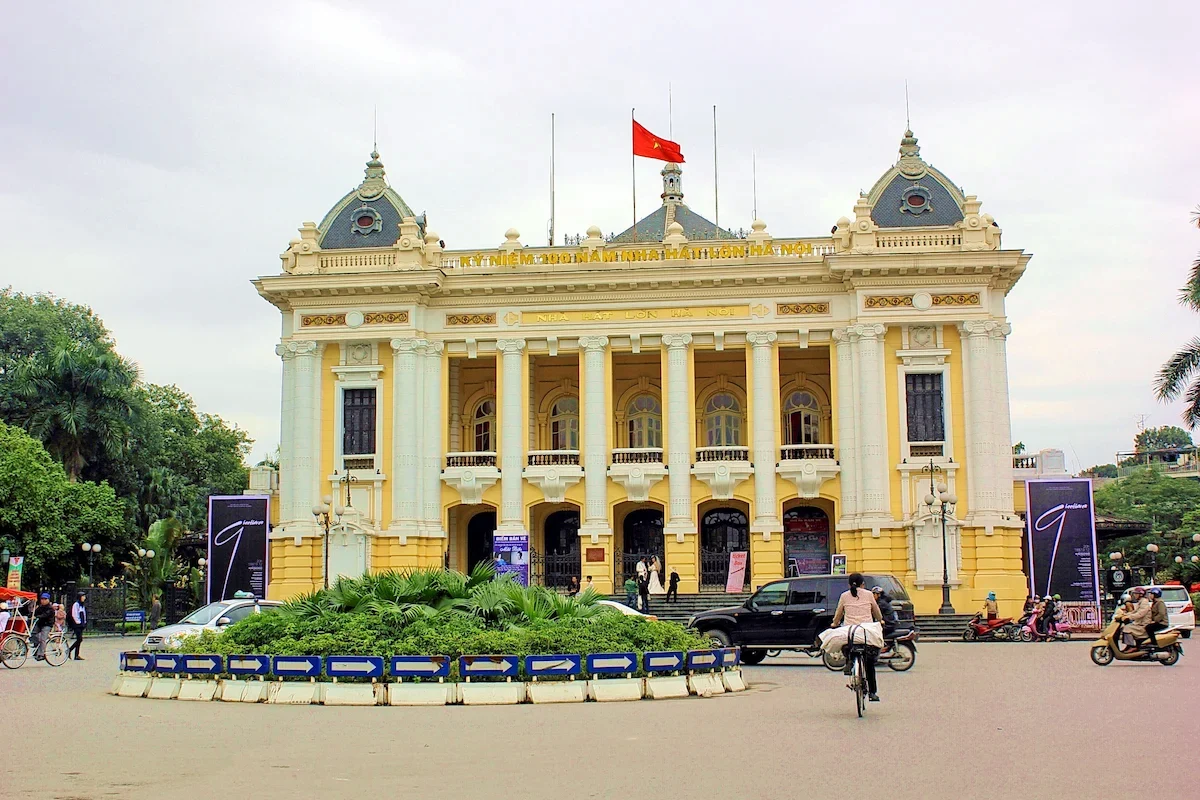
Explore the streets around the Hanoi Opera House and nearby historic buildings, and consider pairing a museum visit with a break at a local café. The French Quarter also makes a pleasant change of pace after spending time among the narrow lanes and busy sidewalks of the Old Quarter.
3. West Lake (Tay Ho)
West Lake, known locally as Tay Ho, offers a calmer side of Hanoi. The area is popular for lakeside walks, cafés, restaurants and sunset views. It suits travelers who want to slow down, enjoy time by the water or explore beyond the busiest central streets.
Allow time to visit Tran Quoc Pagoda, one of the area’s best-known religious sites, and explore the streets around the lake. West Lake is also a good choice for a leisurely meal or coffee, especially if you want a quieter break during a busy sightseeing schedule.

How to Combine the Neighborhoods
Rather than trying to see every district in one day, group nearby places together to avoid unnecessary travel across the city. A simple first-time route could look like this:
- Day 1: Hoan Kiem Lake, Ngoc Son Temple, the Old Quarter and an evening water puppet performance.
- Day 2: West Lake and Tran Quoc Pagoda, followed by the French Quarter and its architecture or museums.
- Day 3: Choose a day trip or spend more time exploring Ba Dinh, museums, markets and other cultural sites in Hanoi.
What to See and Do in Hanoi
Hanoi offers more than a checklist of landmarks. To get a rounded impression of the city, combine historical places with street-level experiences and time to relax.
Discover Hanoi’s History and Culture
Begin with the Ho Chi Minh Mausoleum complex and the surrounding Ba Dinh area if you are interested in modern Vietnamese history. You can also visit the Temple of Literature, a historic complex associated with Vietnam’s scholarly traditions, and Hoa Lo Prison Historical Site to learn about another important chapter of the country’s past.
Opening hours, entry arrangements and access restrictions can change. Check the official information for each attraction before your visit, particularly when planning around public holidays or special events.
Experience Local Life in the Old Quarter
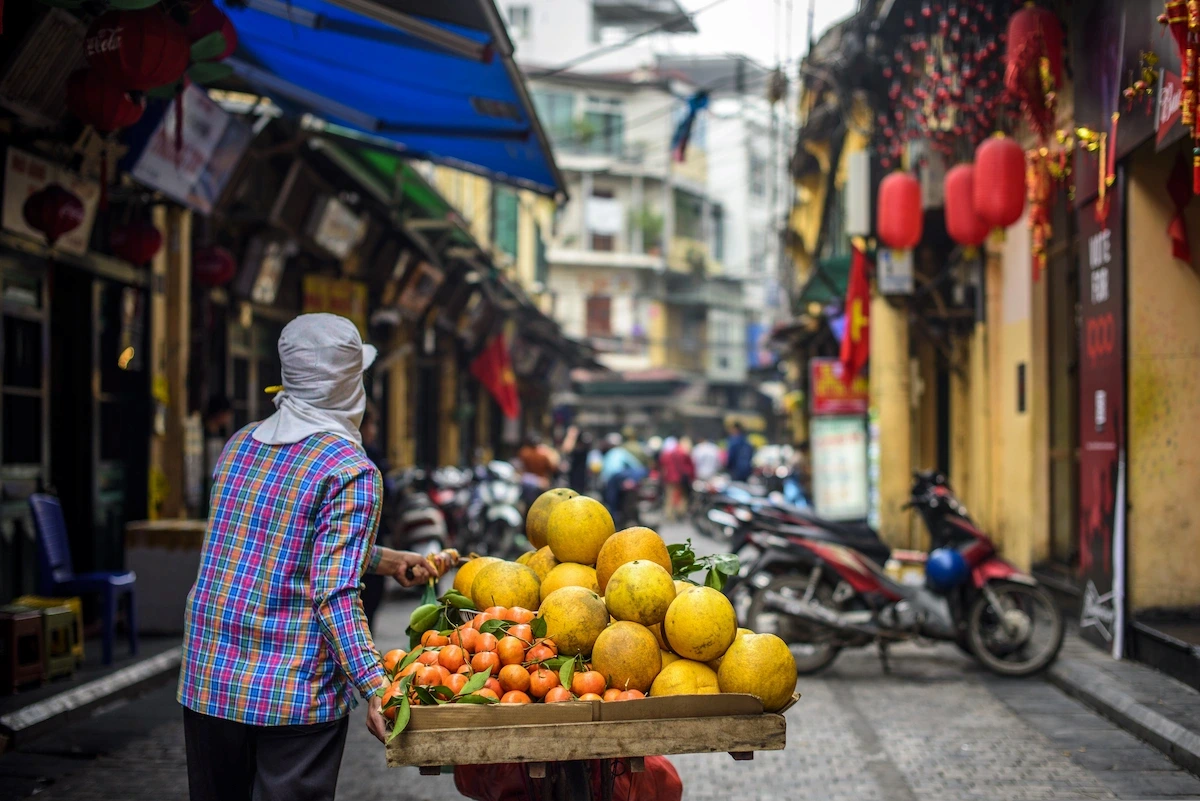
Set aside time to walk without a strict route. Watch shopkeepers open their businesses, see small food stalls preparing breakfast and take a break at a pavement café. The streets around the Old Quarter and Hoan Kiem Lake are ideal for observing the everyday rhythm of the capital.
For a more structured introduction, consider a guided walking or street-food experience. A local guide can help explain the history of the neighborhood and introduce dishes or small eateries that you might not discover on your own.
Enjoy a Water Puppet Show
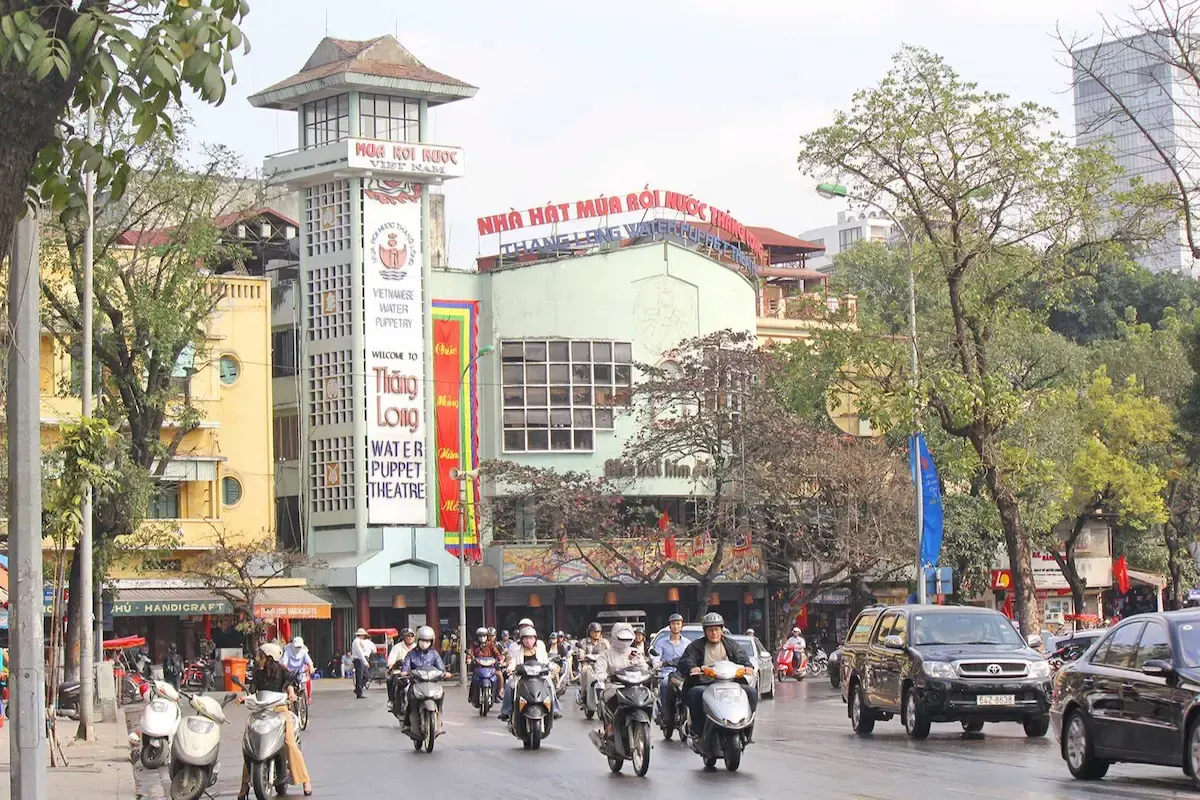
Water puppetry is a traditional Vietnamese performance art and a popular evening activity in Hanoi. A show can be an enjoyable way to add a cultural experience to a day spent exploring the Old Quarter. Check the performance schedule and book ahead when needed.
Take a Day Trip from Hanoi
If you have an extra day, consider leaving the city to experience northern Vietnam’s countryside. Ninh Binh is known for its limestone landscapes and boat trips in areas such as Trang An and Tam Coc. It is a rewarding option for travelers who want scenery and a contrast with city life; plan it as a full day so you have enough time for the journey and activities.
Another option is Duong Lam Ancient Village, where you can explore traditional architecture and get a different perspective on life outside the capital. Choose the trip that best matches your interests and available time rather than trying to fit several destinations into one day.
What to Eat in Hanoi: Local Dishes to Try
Food is one of the highlights of any visit to Hanoi. The city’s everyday food culture is best explored one dish at a time: enjoy a bowl of noodles for breakfast, try a local lunch specialty and finish with Vietnamese coffee. These are some of the dishes worth looking for.
- Pho: A well-known Vietnamese noodle soup, usually served with beef or chicken, fresh herbs and lime. Many local restaurants serve it as a breakfast dish, although it can be enjoyed at other times of day.
- Bun cha: Grilled pork served with rice noodles, herbs and a dipping sauce. It is a classic Hanoi lunch choice and a must-try for visitors interested in local cuisine.
- Cha ca: A Hanoi specialty featuring fish seasoned with turmeric and cooked with dill, often served with noodles, herbs and peanuts.
- Banh mi: A crisp baguette filled with ingredients such as pâté, meat, vegetables and fresh herbs. It makes a convenient snack or quick meal while exploring the city.
- Egg coffee (ca phe trung): A Hanoi café classic made with a rich coffee base and a creamy egg mixture. It is sweet and filling, so many visitors enjoy it as a treat rather than an everyday coffee.
Food tip: Start with small portions when possible so you can sample several dishes. Look for busy places with a steady flow of customers, and ask your hotel or a local guide for suggestions based on the area you are visiting.
Practical Tips for First-Time Visitors
- Cross streets calmly: Hanoi traffic can feel busy at first. Walk at a steady, predictable pace, stay alert and follow the flow of local pedestrians.
- Carry some cash: Small notes are useful for street food, small shops and market purchases. Keep cash and valuables secure in crowded areas.
- Check attraction schedules: Confirm opening hours, ticket arrangements and any access restrictions before leaving your hotel.
- Stay connected: A local SIM or eSIM can make it easier to use maps, translation tools and ride-hailing services. Ask your accommodation about suitable options.
- Allow time for breaks: Hanoi is best enjoyed at a comfortable pace. Build café stops and rest periods into your daily plan.
What to Plan Before You Go
- Visa and passport: Check the entry requirements that apply to your nationality and make sure your passport meets the validity requirements.
- Clothing: Pack according to the season. Hanoi can be hot and humid in summer, while winter can feel cool and may bring rainy or damp days.
- Accommodation: Staying in or near the city center can reduce travel time if you have only a short visit. The Old Quarter is convenient for central sightseeing, while West Lake offers a quieter atmosphere.
- Airport transfer: Arrange your transfer in advance or ask your hotel about current transport options and fares from the airport.
- Attraction access: Check official websites or contact the venue for the latest schedules, closures and visitor requirements.
A Practical 3-Day Hanoi Itinerary for First-Time Visitors
This three-day Hanoi itinerary balances the city’s best-known sights with local food and time to enjoy its neighborhoods. Adjust the order to suit your arrival time, energy level and interests.
Day 1 – Hoan Kiem Lake and the Old Quarter
Start the day with a walk around Hoan Kiem Lake and visit Ngoc Son Temple. Continue into the Old Quarter, where you can explore the narrow streets, browse local shops and stop for a Vietnamese coffee. In the afternoon, visit St. Joseph’s Cathedral and Dong Xuan Market. For dinner, sample Hanoi specialties such as pho or bun cha, then consider attending a water puppet show or taking an evening walk around the lake.
Day 2 – West Lake and the French Quarter
Spend the morning around West Lake. Walk along the waterfront, enjoy a café stop and visit Tran Quoc Pagoda. Later, head towards the French Quarter to see its broad boulevards and historic architecture. Depending on your interests, add a museum visit or spend the afternoon exploring the area at a relaxed pace. Finish with dinner at a restaurant or café that appeals to you.
Day 3 – Ninh Binh, Duong Lam or More of Hanoi
Use your final day for a change of scenery or a deeper look at the capital. Travelers interested in nature can choose a full-day trip to Ninh Binh for its limestone landscapes and boat routes. Those interested in traditional village life can consider Duong Lam Ancient Village. Alternatively, stay in Hanoi and visit the Temple of Literature, the Ho Chi Minh Mausoleum complex or Hoa Lo Prison Historical Site, checking each attraction’s schedule before you go.
Frequently Asked Questions About Visiting Hanoi
How many days do first-time visitors need in Hanoi?
Two to three days is a good starting point for exploring the central sights, trying local food and experiencing Hanoi’s neighborhoods. Stay for four days or longer if you would like to include a day trip or visit more museums and cultural sites.
Where should I stay in Hanoi for my first visit?
The Old Quarter is a convenient choice for first-time visitors who want to be close to Hoan Kiem Lake, restaurants, markets and central attractions. The French Quarter offers historic architecture and a calmer city-center setting, while West Lake is suitable for travelers who prefer a more relaxed lakeside atmosphere.
Is Hanoi safe to explore on foot at night?
Many visitors enjoy walking in busy, well-lit areas around Hoan Kiem Lake and the main streets of the Old Quarter in the evening. As in any large city, stay aware of traffic, keep valuables secure in crowded places and avoid unfamiliar, deserted streets late at night.
What food should I try in Hanoi?
Start with pho and bun cha, then try cha ca and banh mi. Make time for egg coffee at a local café to experience one of Hanoi’s best-known drinks. Trying a few different dishes is a great way to discover the city’s food culture.
What should I check before visiting Hanoi’s attractions?
Check each attraction’s official information for opening hours, ticketing, visitor requirements and temporary closures. This is particularly important for major historical and religious sites, where access arrangements may change.
Plan Your First Trip to Hanoi
Hanoi is an inviting introduction to northern Vietnam, combining historic landmarks, lively street food, lakeside scenery and distinctive neighborhoods. A stay of two or three days gives most first-time visitors a good overview, while an extra day makes it easier to explore the surrounding countryside. As you plan your wider Vietnam adventure, explore our guide to the best places to visit in Vietnam for inspiration on other destinations, from spectacular northern landscapes to the cultural highlights of central and southern Vietnam. Use this Hanoi travel guide to build an itinerary around your interests, leave space for spontaneous discoveries and enjoy the city at your own pace.