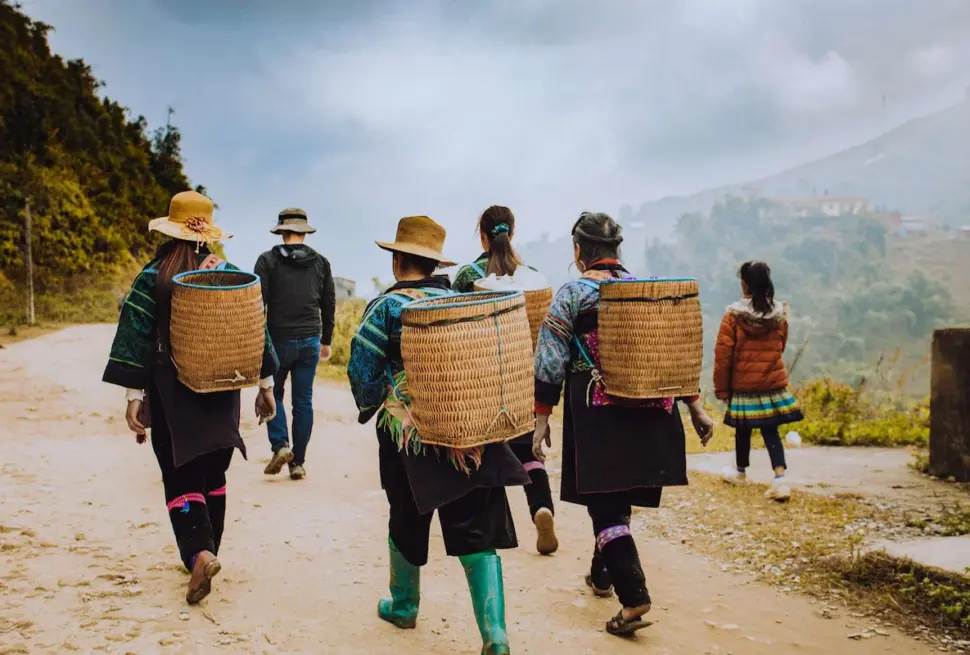
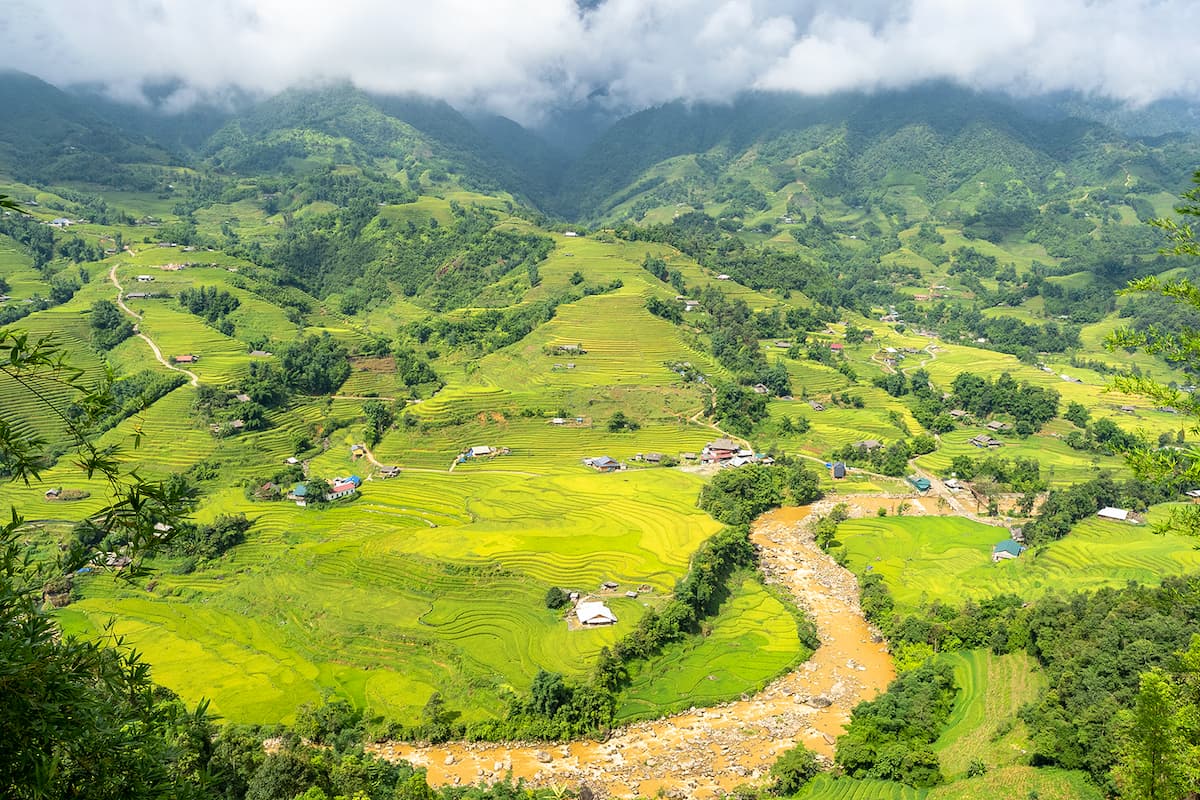
Finding the best time to visit Sapa rice terraces depends on how you want to experience this living calendar in the northwest highlands of Vietnam. The color and texture of Muong Hoa Valley terraces shift with planting cycles, rains, or harvests, while the weather impacts the trekking experience as much as the scenery. Rather than promising a single perfect week, this seasonal guide helps you weigh the trade-offs and plan a flexible itinerary that suits your priorities: dramatic greens, golden harvests, or crisp, clear viewpoints with cooler weather. Below, you’ll find a practical framework for choosing dates, understanding how elevation and monsoon patterns affect the view, and preparing for trekking days that may be muddy, misty, or sunlit.
Quick Overview
- Best overall chances for clear skies and comfortable trekking: late autumn (Sep–Oct) and late winter–early spring (Nov–Mar), with caveats for rain and cold snaps.
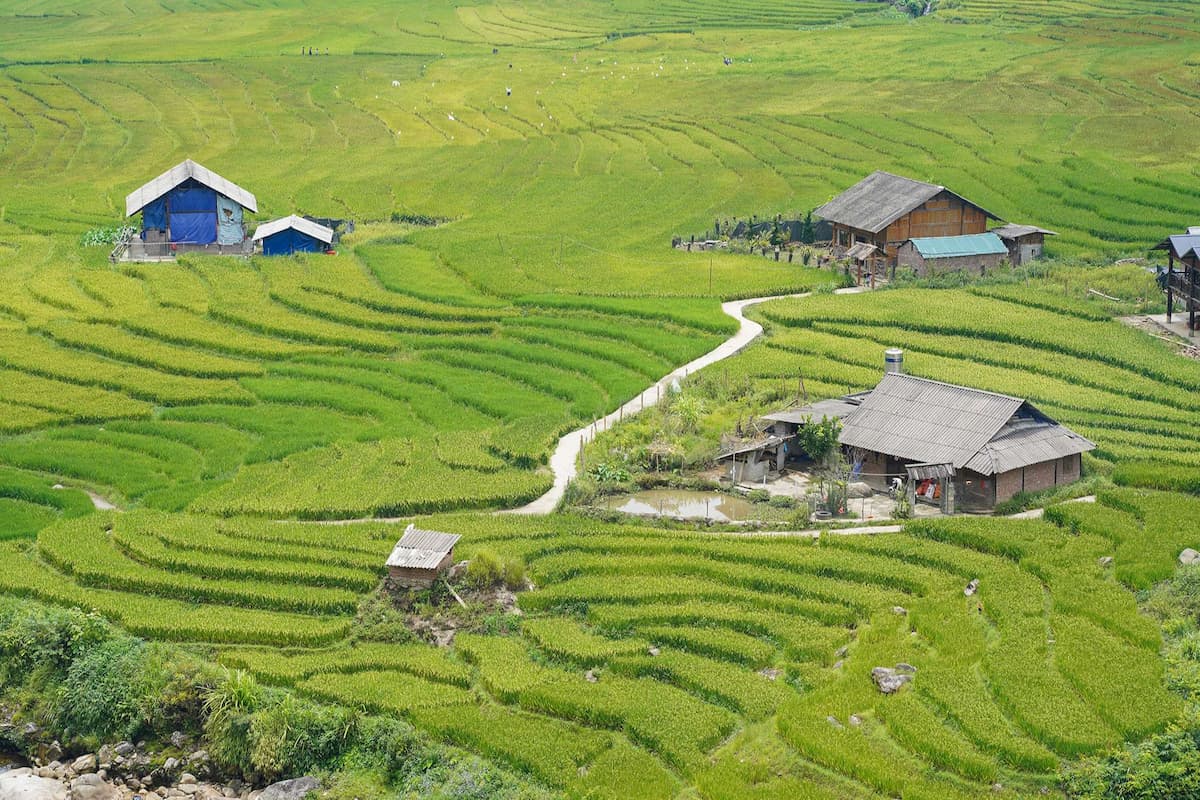
- For vivid green terraces: May–June and July–August are typically lush, but expect humidity and possible showers.
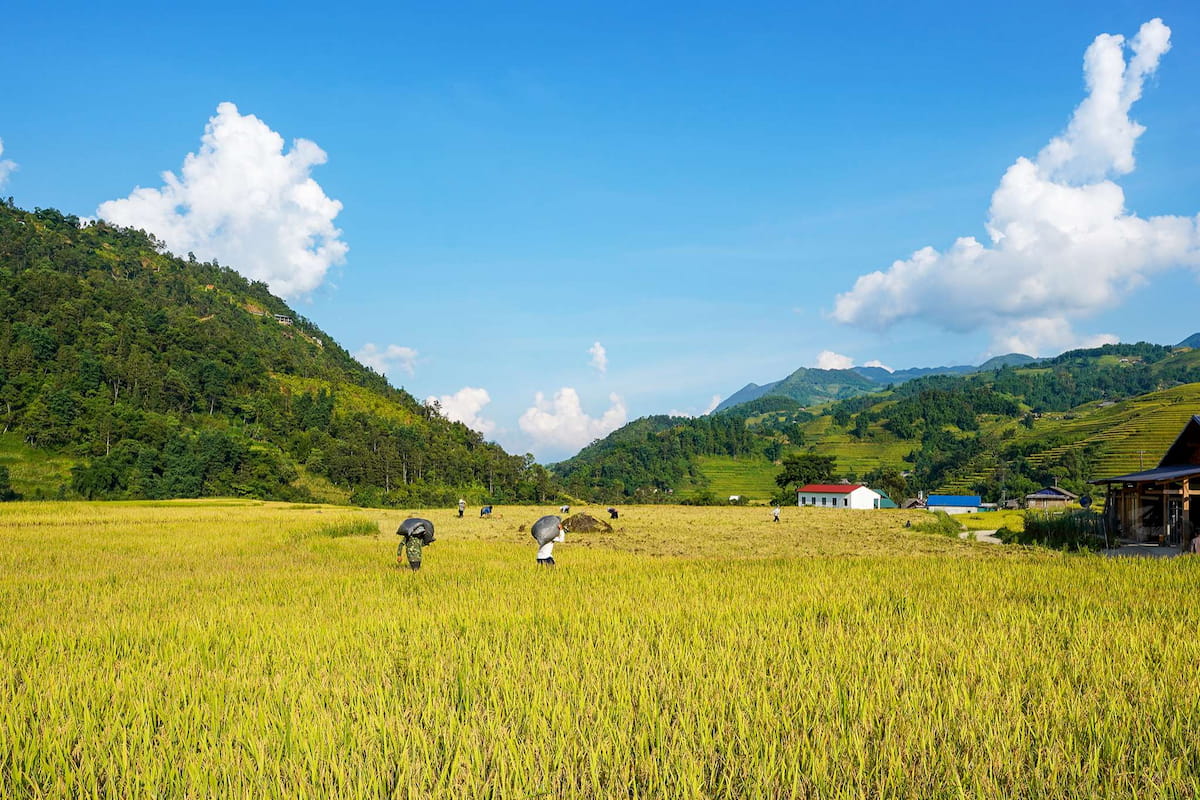
- Golden terraces (harvest season): typically around late Sep–Oct, with crisp air and bright light, yet occasional rain is possible.
- Expect variability: weather and terrace status change with elevation and year-to-year monsoon patterns. Build buffer days into your plan.
Seasonal Changes to Find the Best Time to Visit Sapa Rice Terraces
Rice terrace cycles: Planting, water, and harvest
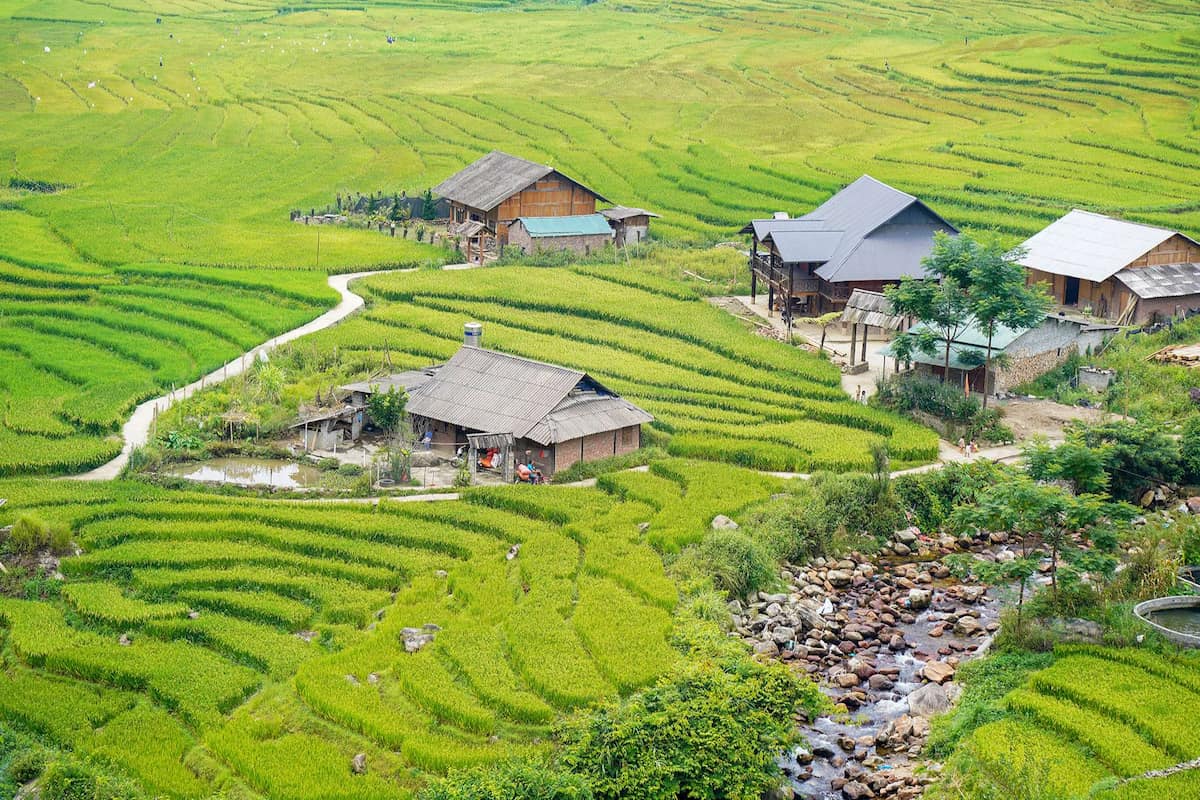
The appearance of Sapa’s rice terraces tracks the farming cycle. In the Muong Hoa valley and surrounding terraces, planting typically begins after the spring rains, with seedlings transplanted into paddies as water levels rise in late spring and early summer. By late summer, the fields flood and the terraces glow with a bright, vibrant green. As the season advances, the water recedes, and fields gradually turn to gold in the harvest period. By late autumn and early winter, many terraces are drier and earth-toned, with occasional standing water in lower fl ows after rain. Because planting and harvesting depend on rainfall and local scheduling, you may see patches of green beside gold or brown, rather than a uniform color across the whole hillside.
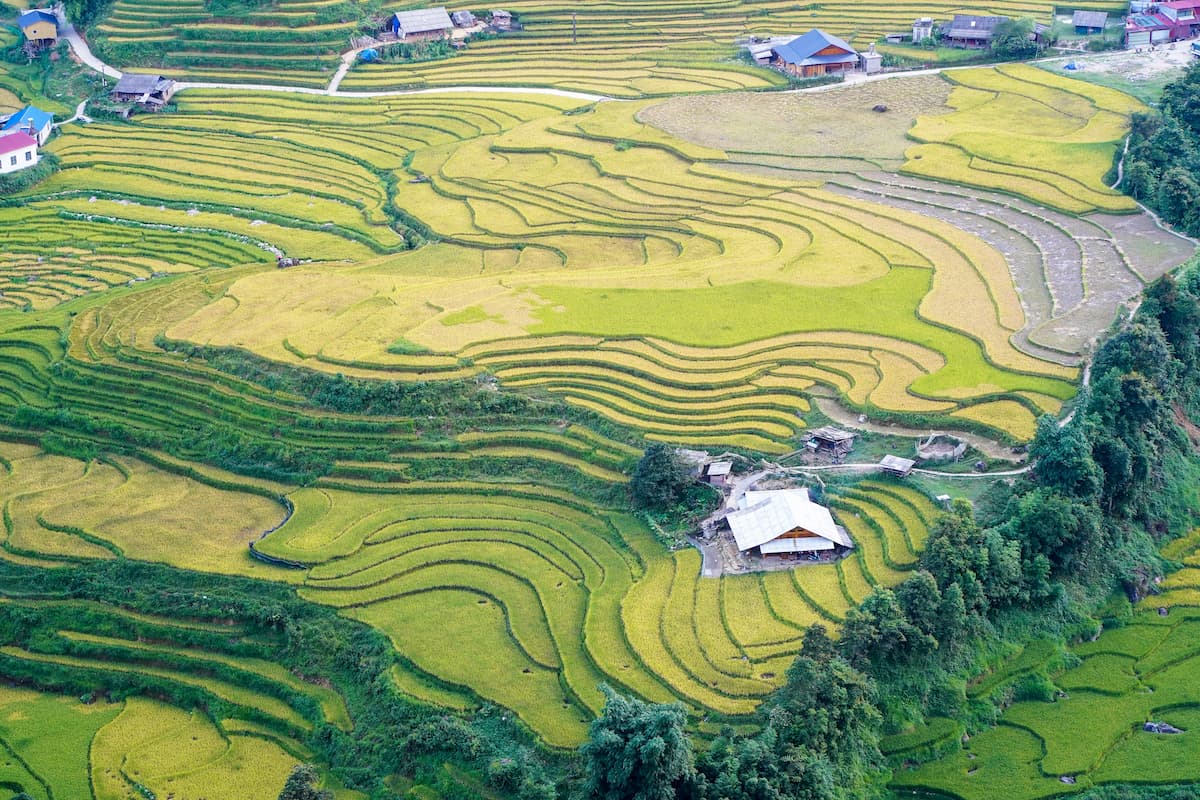
What this means for visitors: if you arrive during the shoulder months, you’ll likely encounter a mix of colors and water levels. If you want a stereotypical postcard of emerald-green terraces, aim for the late spring and early summer window, but be prepared for rain and cloud cover. If you’re chasing golden harvest skies, plan for early autumn but don’t count on perfect weather. The terraces shift year to year, and elevations along the hillside create micro-climates that alter color and water visibility within a short distance.
Elevation, micro-climates, and visibility
Sapa’s high-altitude geography creates varied micro-climates even within a short walk. Lower slopes near the river valleys may stay damp longer after rain, while higher ridges can dry out quickly and deliver sharper viewpoints. In practice, this means: two walks on the same day can feel markedly different depending on your exact route and the moment’s wind pattern. If you’re chasing crisp light for photographs, you’ll gain more reliable conditions in the dry seasons, but those seasons also come with cooler mornings and potential frost at higher elevations on cold days.
Weather and trekking trade-offs by season
What you typically gain or lose by season
Seasonal trade-offs aren’t just about color. Weather affects comfort, accessibility, and daily pacing on the trails that weave through Sapa’s rice terraces. Here’s a practical way to think about it:
- cooler, often clearer days and great mountain views. Risks include chilly mornings, fog at dawn, and possible cold winds. Trekking is comfortable for many travelers, but some days may feel bracing rather than balmy. Water levels in paddies are variable, but you’ll often see starker browns or browns-and-greens rather than vivid greens.
- fields wake up with fresh greens, and late spring often brings a more dramatic, water-filled landscape. Expect more frequent rain showers and muddier paths—good for lush photography, tougher on footing, and sometimes humid conditions. Water-filled paddies can reflect sky and trees, offering striking mirror images, but visibility can be limited by cloud cover on misty mornings.
- peak lushness and, in many years, harvest activity. It’s a window of strong color and dramatic light, but the monsoon can bring heavy rain and afternoon downpours. Trails may be slippery, and some days may be breezy or fogged in at higher elevations. Harvest light can be brilliant, yet clouds arrive unpredictably.
- often balance decent weather with less crowding. You can catch green terraces with moderate rain risk or golden fields with cooler, crisper air. It’s a helpful compromise if you want fewer hikers and more serene viewpoints.
Sapa weather by month: Practical patterns for planning
Because exact conditions vary year to year, it’s helpful to consider broad monthly patterns rather than rigid schedules. Elevation amplifies the variation, so plan for flexibility and a little rain gear even in what looks like a dry season.
Dry-season window (roughly November–March)
This period generally offers clearer skies, cooler temperatures, and more reliable trekking weather. Daytime temperatures are comfortable for long walks, but nights can be chilly, especially in December and January. The scenery tends to be crisp, with possible foggy mornings in valleys that clear up as the sun climbs. If your goal is crisp air and distant mountain views, this is a strong candidate window. However, you may miss some of the lush, water-filled greenery visible in the wet season.
Rainy-season window (roughly May–October)
The countryside comes alive with color as rains revive paddies and hillsides. Expect humidity, slippery paths after rain, and afternoon downpours, especially in July and August. The upside is the vibrant, saturated greens and dramatic cloud inversions that can make landscapes feel otherworldly. Accessibility can be impacted by heavier rainfall, and some trails may close temporarily after storms. If you want dramatic green scenery and fewer crowds outside peak harvest, this window pays off with the right planning and rain protection.
Shoulder seasons (April and November)
April brings fresh greenery and often moderate rainfall, a good compromise for hikers who want greener terraces without the heaviest rain. November can offer cooling air and clearer skies, with terraces transitioning into the seedbed phase or early harvest stages. Shoulder seasons are popular for flexible itineraries and fewer crowds, but you should be ready for shifting weather patterns and occasional rain or mist.
Planning a flexible, realistic itinerary
Because Sapa’s terrace colors and weather shift with the calendar, a flexible plan beats a rigid one. Build a core two-day trekking outline that can be expanded to three days if weather cooperates, and keep a backup option for a shorter, more urban day in Sapa town if rain dampens a mountain route. The following ideas focus on the Muong Hoa river basin and nearby villages, where terrace viewpoints are most commonly accessed on guided walks.
Two-day terrace-focused trek (example framework)
- Start in Sapa town and descend toward Lao Chai and Ta Van villages along the Muong Hoa valley (similar to this Sapa trekking tour 2 days 1 night). Early paths link rolling fields with small plots, giving you water reflections and classic terrace geometry. Lunch in Ta Van, then optional short afternoon walk to a different viewpoint or a village settlement. Overnight in a village homestay or in Sapa town, depending on your pace and preferences.
- A longer morning walk to a grand terrace overlook, then return via a different route that catches a different section of the valley. If weather closes in, shift to a village circuit or a shorter scenic option around Cat Cat or Su Pan settlements.
Three-day option for deeper immersion
- Day 1 aligns with Day 1 above, focusing on the Muong Hoa corridor.
- Day 2 adds another valley approach (e.g., Sin Chai or Thanh Phu communes) for varied terrace geometry and village life.
- Day 3 includes Fansipan foothill views or a light, coffee-stop itinerary in Sapa town with optional short treks to nearby terraces if visibility is good.
How flexible should you be? Aim for a two- to three-day window with a buffer day for weather shifts or vehicle disruptions. The most reliable way to stay on track is to book with a local guide who can adjust routes in the field based on current conditions. If you’re traveling independently, monitor daily forecasts, listen to local advice from guesthouse staff, and be prepared to pivot to shorter routes or an alternate scenic loop if trails are slick or visibility is poor.
Seasonal Planning Snapshot
- Expect variability: a clear morning can turn into a rice-terrace-drenched afternoon; carry a light rain layer and choose viewpoints with flexible timing.
- Book with a local guide when possible for route changes and safety, especially on steeper hillside paths.
- Prioritize footwear with good grip and dry socks; weather can flip from dry to damp quickly in highland routes.
Practical travel tips for a smooth Sapa terrace experience
Getting there and getting around
The typical base is Sapa town, with day trips to surrounding terraces. Access from Hanoi commonly occurs via overnight train or bus to Lao Cai, followed by a 1–2 hour transfer by bus or taxi into Sapa. Within the valley, most trekking routes are walkable on foot with occasional short transfers by jeep or motorbike for steeper segments or to shorten a long ascent. If you’re limited on time, you can still enjoy prime terrace viewpoints with a guided half-day walk from Sapa town.
Gear and clothing for variable weather
Pack layers you can add or remove as the day warms or cools. A windproof shell, moisture-wicking base layers, and sturdy terrain shoes are worth bringing even in dry-looking periods. A light rain jacket or poncho is prudent during the shoulder and rainy seasons. Sunglasses, a sunhat, and sunscreen help on brighter days. If you’re visiting in winter, bring a hat and gloves for chilly mornings on exposed ridges.
Accommodations and pacing
Choose accommodations with flexible checkout times if possible, particularly during shoulder seasons when weather can shift. A small buffer day lets you swap a long hillside route for a comfortable town stroll when the forecast calls for rain. In peak harvest season, book lodging in advance if you prefer central locations in Sapa town and easy access to the start points for morning treks.
Safety and practicality on the hills
Treks into terrace country are generally moderate but involve uneven ground, narrow paths, and hillside steps. Allow extra time for slower sections, especially in damp conditions. If you’re not traveling with a guide, consider hiring a local porter or guide for the day to ensure safer navigation and to gain local insights on terrace fields, villages, and harvest practices.
Two practical planning reminders
Always verify road conditions and weather forecasts a day or two before heading out. Mountain weather can shift quickly, and cloud cover can obscure valley views or terrace layers that look spectacular in photographs. If you have a fixed international flight, plan a day or two in hand in Sapa–Lao Cai before departure to avoid the risk of missing connections due to weather or road disruptions.
Frequently Asked Questions
- Q1: What is the best time to visit Sapa rice terraces in order to see vibrant colors?
- A single best week isn’t guaranteed because colors depend on yearly planting, rainfall, and field management. Generally, late spring to early summer offers green terraces, while late Sep–Oct can reveal golden harvest tones. Be prepared for variability and choose a window that prioritizes your prefered color (green vs. gold) and trekking comfort.
- Q2: How does weather affect trekking conditions in Sapa?
- Weather can turn from dry to rainy quickly. Muddy trails, slippery steps, and clouded viewpoints are common in the rainy season. In dry periods, trails are firmer but mornings can be chilly, especially on higher elevations. Pack versatile layers, proper footwear, and a waterproof layer for sudden showers.
- Q3: How flexible should my itinerary be?
- Quite flexible. Build a core two-day plan with optional add-ons, and allow a spare day for weather shifts. A local guide can adapt routes on the ground if trails become muddy or visibility is poor. If traveling independently, have backup routes and a plan to spend more time in town or on shorter loop walks.
- Q4: Are the terraces visible in winter?
- Yes, but the color typically shifts toward browns and grays with less standing water. The landscape can still be striking, especially when low clouds, frost, or early sun illuminate the terraces. Expect fewer water reflections and more bare or dry paddies, depending on the season and rainfall that year.
- Q5: How far in advance should I book guides or treks?
- Book guides or trekking days a few weeks ahead during peak harvest and dry seasons (often Sep–Oct). In shoulder months, you may have more flexibility, but it’s wise to confirm arrangements and cancellation policies in advance in case weather requires adjustments.
Timing your trip right ensures you capture Sapa at its most beautiful, whether in golden harvest or lush green seasons. If you are planning a broader journey across the country, check out our guide on the best places to visit in Vietnam to combine your Sapa trek with other iconic destinations.